
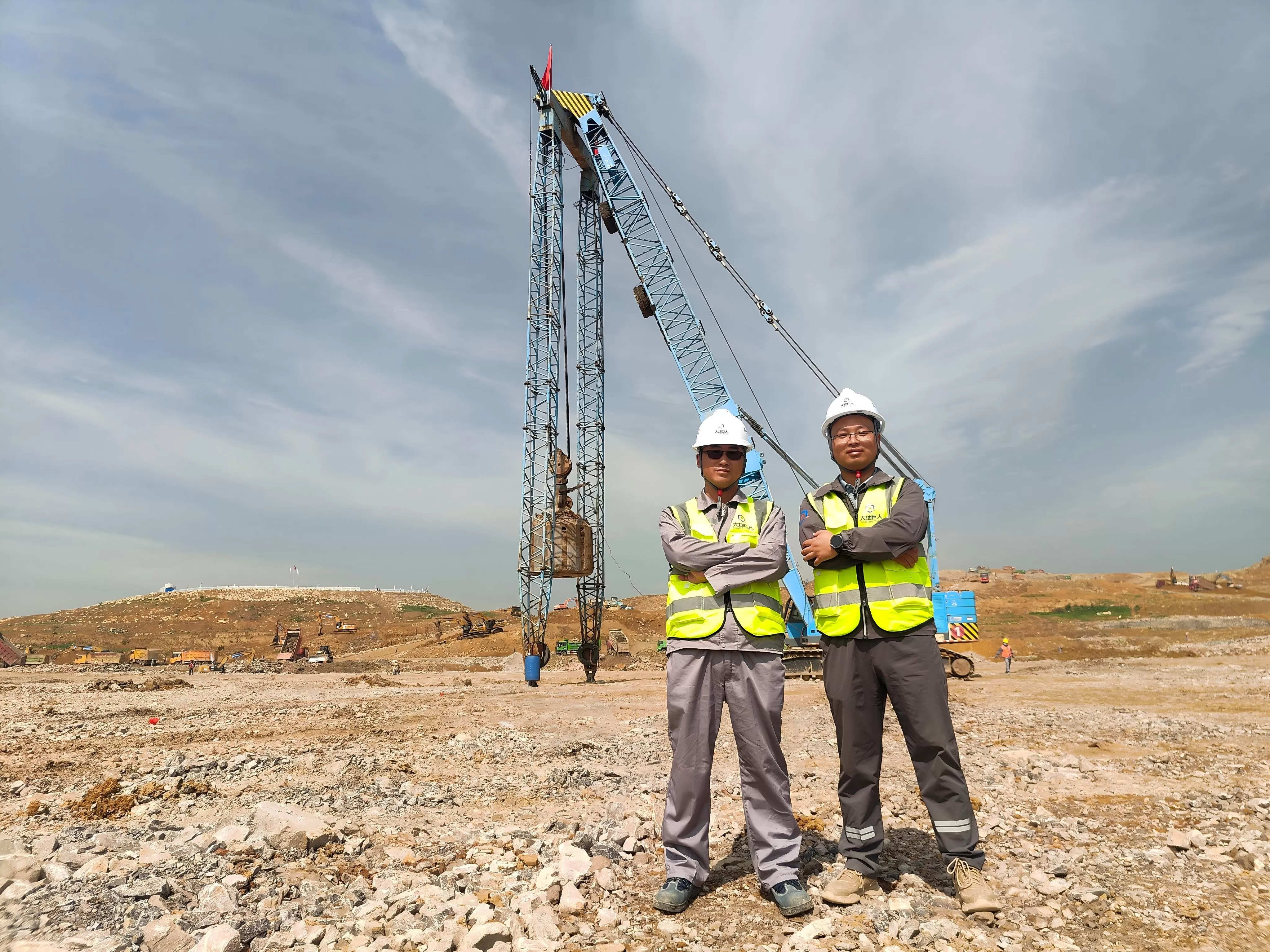
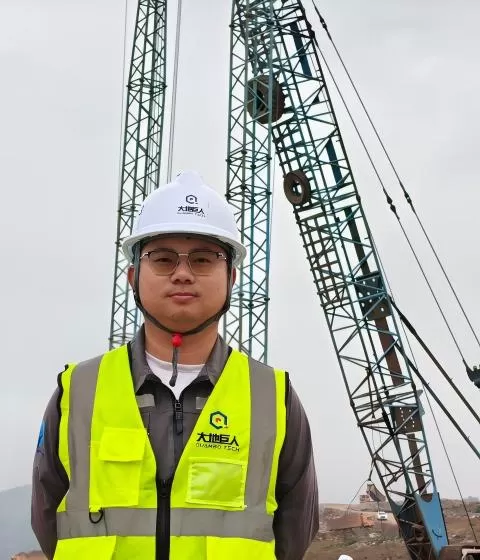
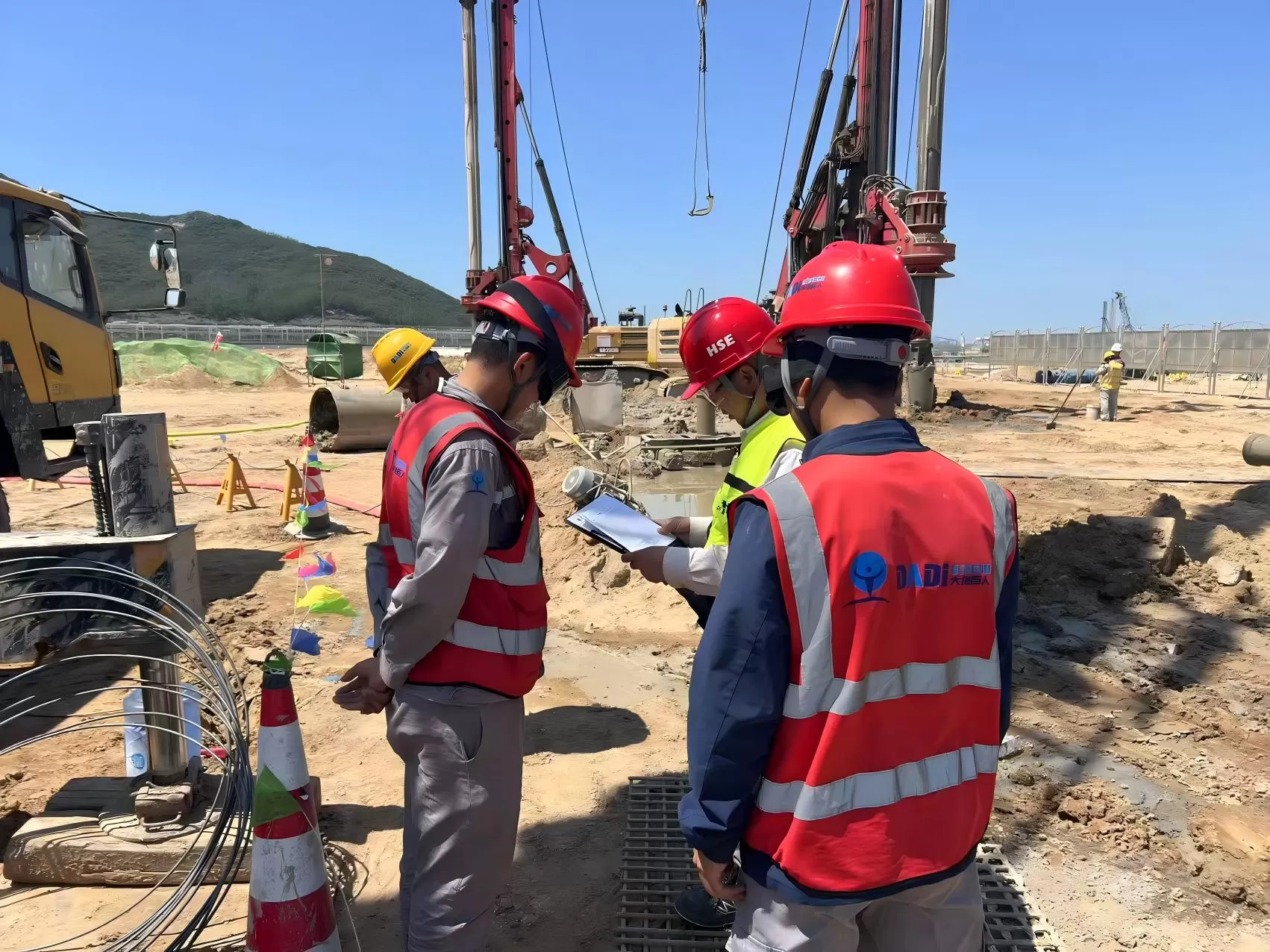
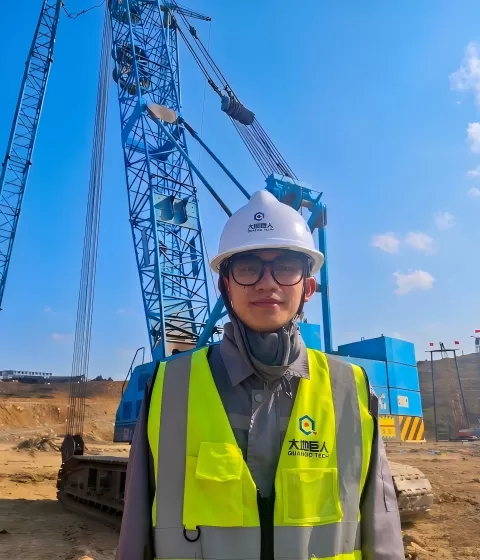





The project involved digital and intelligent monitoring for dynamic compaction works under the CNOOC Shell Phase III Ethylene Project. The total dynamic compaction treatment area was approximately 4 million square metres. With a large construction scale and extensive working areas, the project placed high requirements on quality control, data recording, remote supervision and process traceability.
Dynamic compaction quality is highly dependent on execution control. During construction, key parameters such as the number of blows, compaction depth, compaction energy, drop height and final settlement of the last two blows had to be monitored for each compaction point to determine whether the works met design and specification requirements.
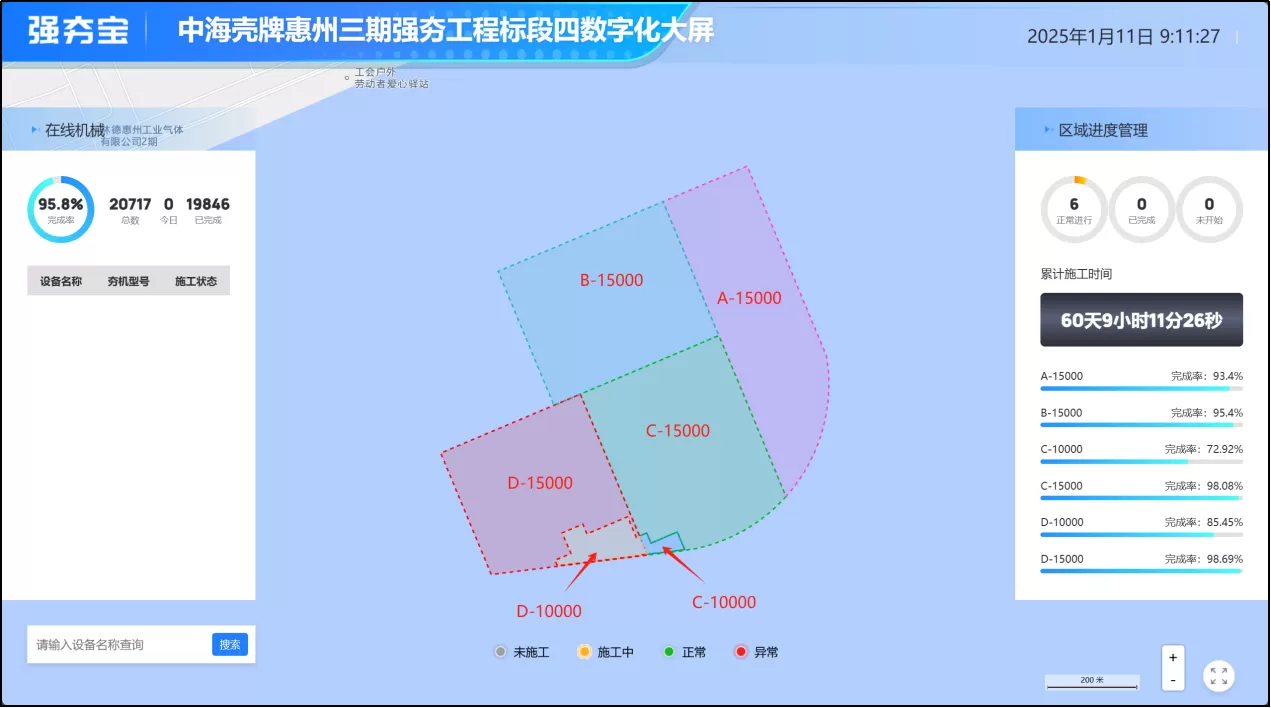
To improve overall quality management, a digital intelligent monitoring system was adopted. Independent intelligent monitoring terminals were installed on dynamic compaction equipment, supported by IoT-enabled data transmission, high-precision positioning and a centralised digital platform. This enabled real-time acquisition, transmission, analysis and remote access to construction data, transforming dynamic compaction works from traditional manual control towards data-driven process control.
In traditional dynamic compaction works, the stopping criteria are mainly determined through manual measurement and on-site recording. Measurement results are easily affected by personnel experience, operating methods and site conditions, making it difficult to ensure data accuracy and consistency. For large-scale dynamic compaction works, manual recording also makes it difficult to form systematic data in time, limiting process traceability, quality review and inspection batch submission.
Dynamic compaction sites involve complex working conditions. During compaction, soil and rock may splash, and compaction craters can be deep, creating safety risks for personnel conducting manual levelling measurements. Long-term reliance on close-range manual measurement increases personnel exposure to site hazards and may also affect construction efficiency.
In addition, traditional construction recording requires significant manpower. Each compaction machine typically requires multiple workers for measurement, recording and checking. For a large-scale project with approximately 4 million square metres of dynamic compaction works, this approach would result in high labour costs, management pressure and quality control challenges.
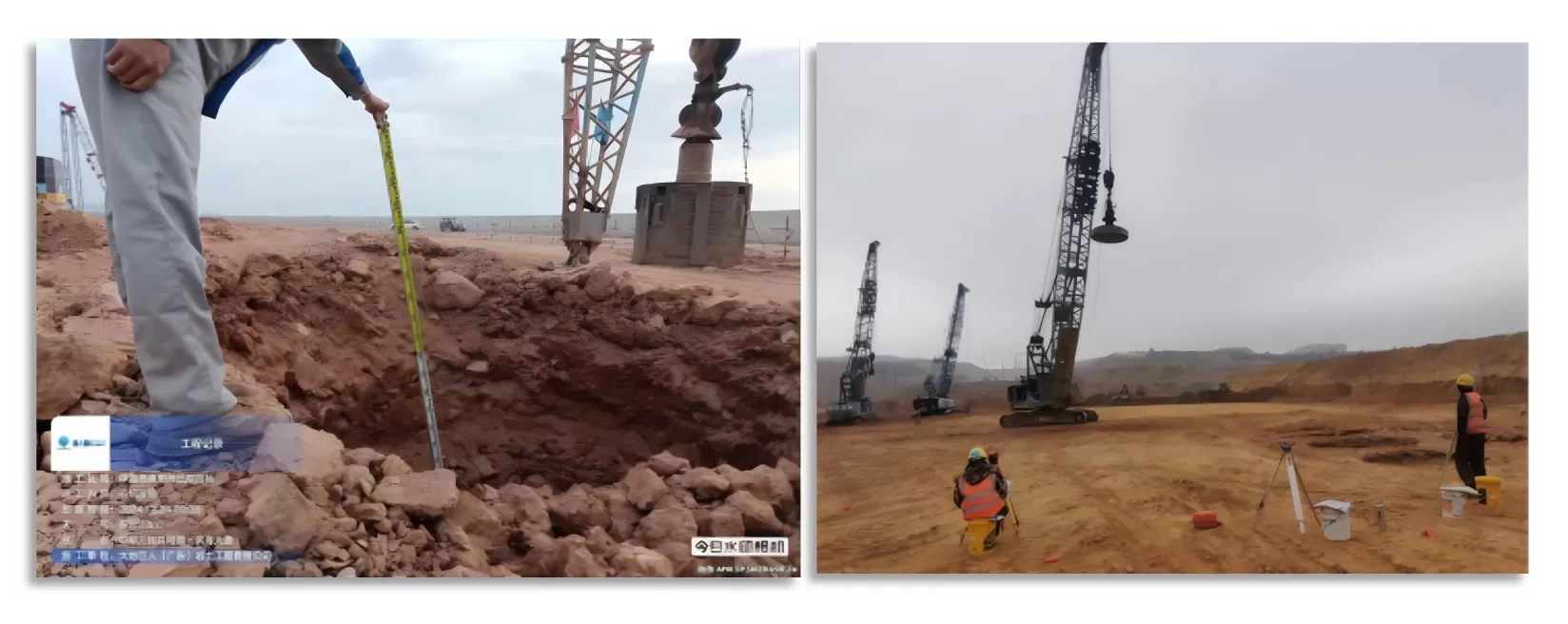
A digital intelligent monitoring system for dynamic compaction was developed and deployed for the project. The system provided independent IoT-based monitoring terminals and a data management platform for dynamic compaction works. It connected field equipment, real-time data acquisition, automatic analysis and centralised management, enabling digital, visualised and traceable control of the construction process.
The system collected and uploaded key construction data for each compaction point and each blow in real time, including compaction point location, number of blows, compaction energy, settlement and drop height. It also automatically analysed whether the construction process met the design stopping criteria. Settlement measurement accuracy met specification requirements, while construction data and statistical analysis results were uploaded to the data management platform in real time.
Project stakeholders could access live construction data online according to their assigned permissions, allowing them to monitor progress and execution quality remotely. After automatic storage, the monitoring data could be used as construction process records and submitted and archived according to inspection batches, providing a complete data basis for quality review, process traceability and project management.
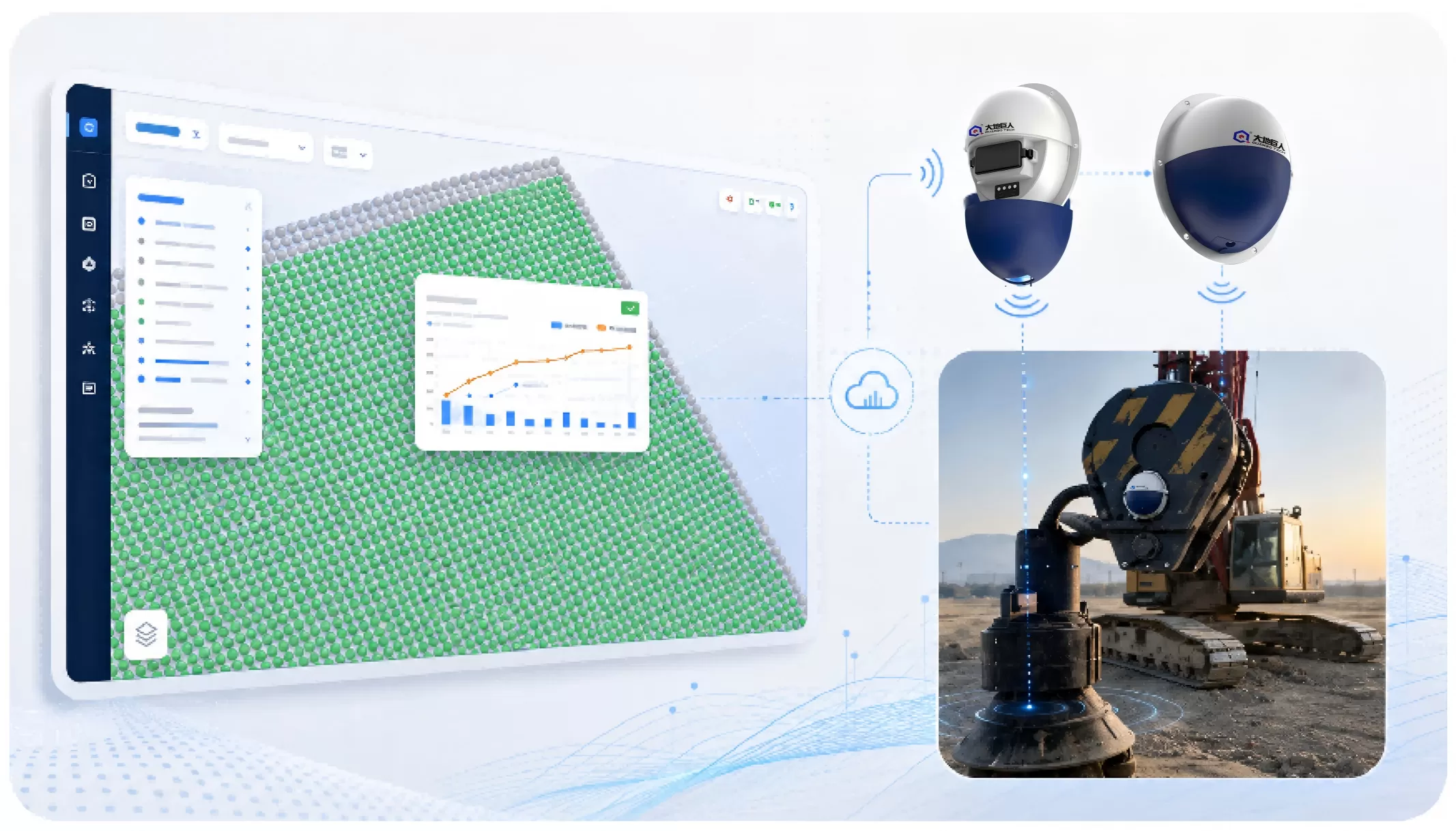
To ensure the authenticity and completeness of construction data, the system supported both cellular network communication and local communication modes, allowing it to adapt to different site network conditions. The intelligent monitoring terminals adopted high-precision positioning and settlement measurement technologies, reducing the need for close-range manual measurement while improving data collection efficiency and site safety management.
Through this project application, dynamic compaction quality control shifted from reliance on manual experience and fragmented records to real-time data acquisition, intelligent assessment and platform-based management, improving construction quality consistency, information transparency and verifiability of engineering outcomes.
Understand related technologies >

-
SolutionsGround Improvement Systems
-
MarketsEnergy & Petrochemical
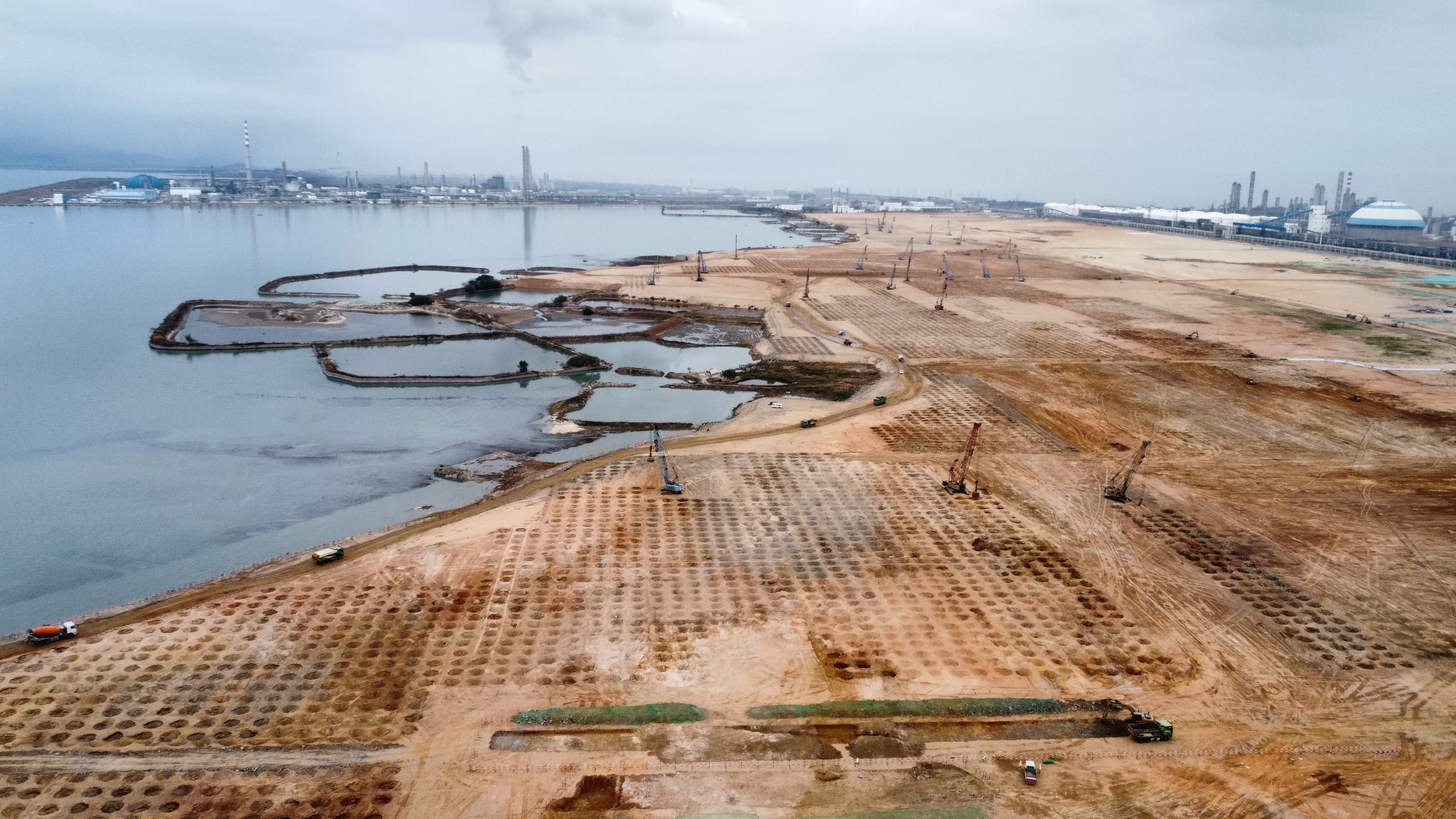
Sino-Saudi Gulei Petrochemical Dynamic Compaction Project
 Gulei Petrochemical Industrial Park, Zhangzhou, Fujian Province, China
-
SolutionsGround Improvement Systems
-
MarketsEnergy & Petrochemical
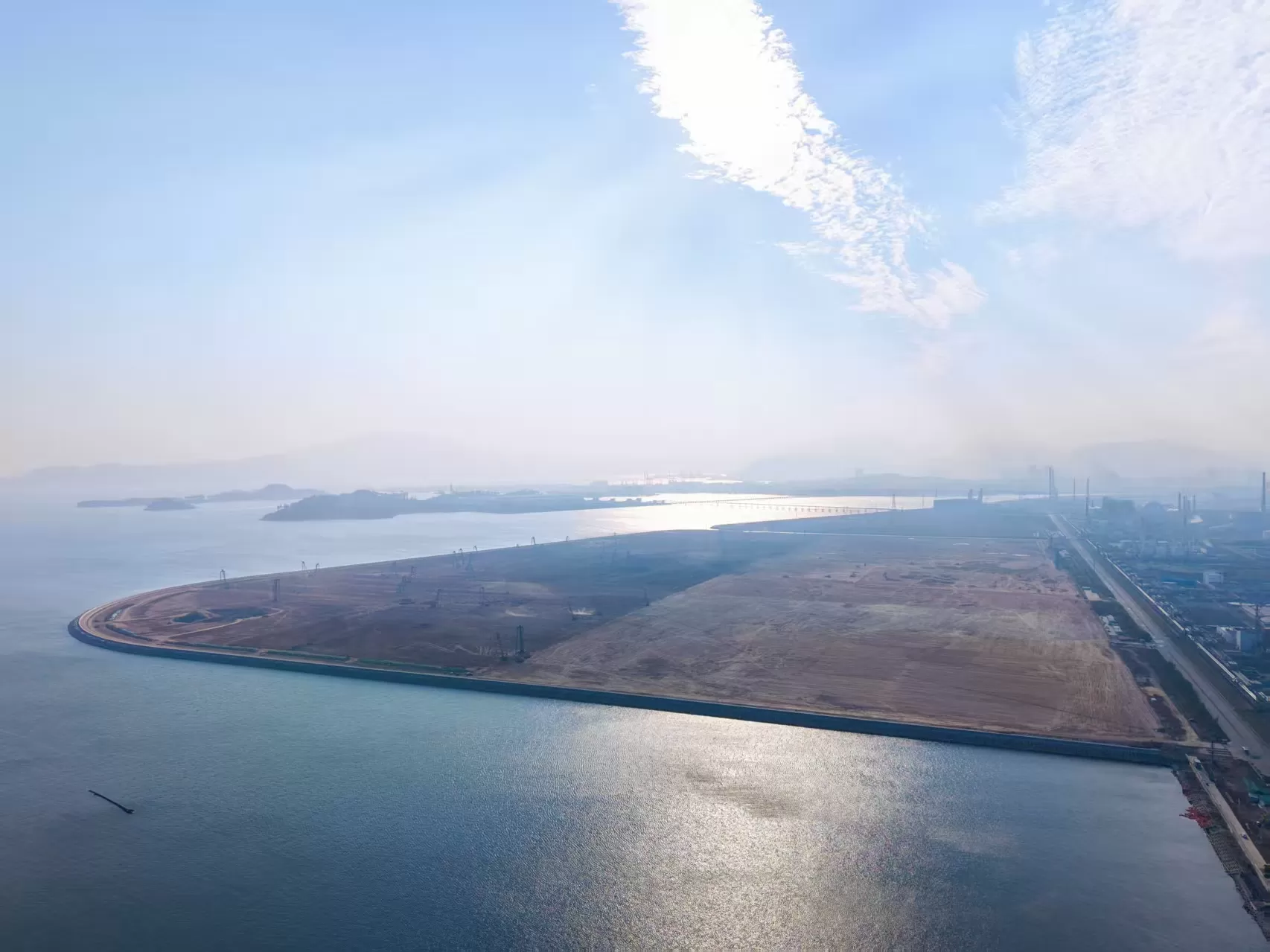
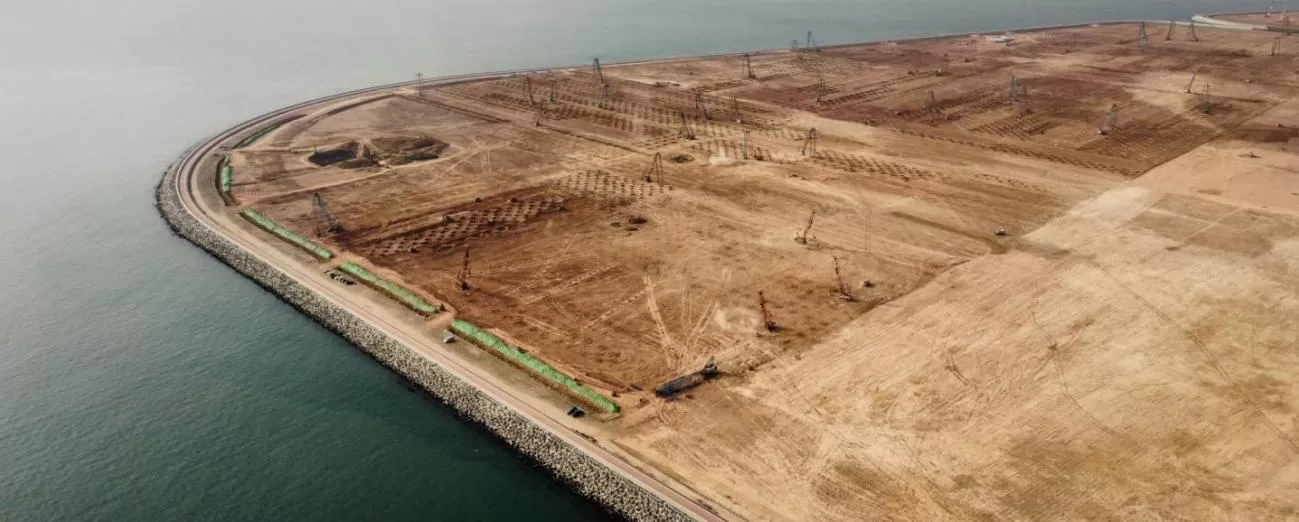
CNOOC Shell Huizhou Phase III Ethylene Dynamic Compaction Project
Daya Bay Petrochemical Zone, Huizhou, Guangdong Province, China
-
SolutionsGround Improvement Systems
-
MarketsIndustrial & Manufacturing
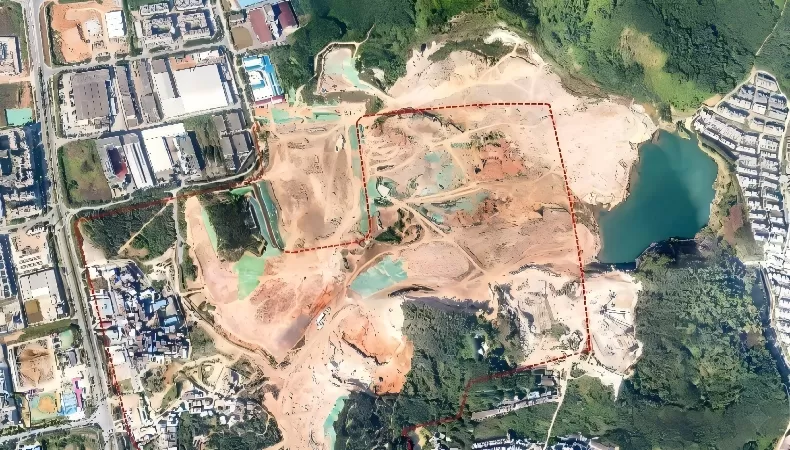
TCL CSOT t9 Display Panel Dynamic Compaction Project
Huangpu District, Guangzhou, Guangdong Province, China
-
SolutionsGround Improvement Systems
-
MarketsIndustrial & Manufacturing
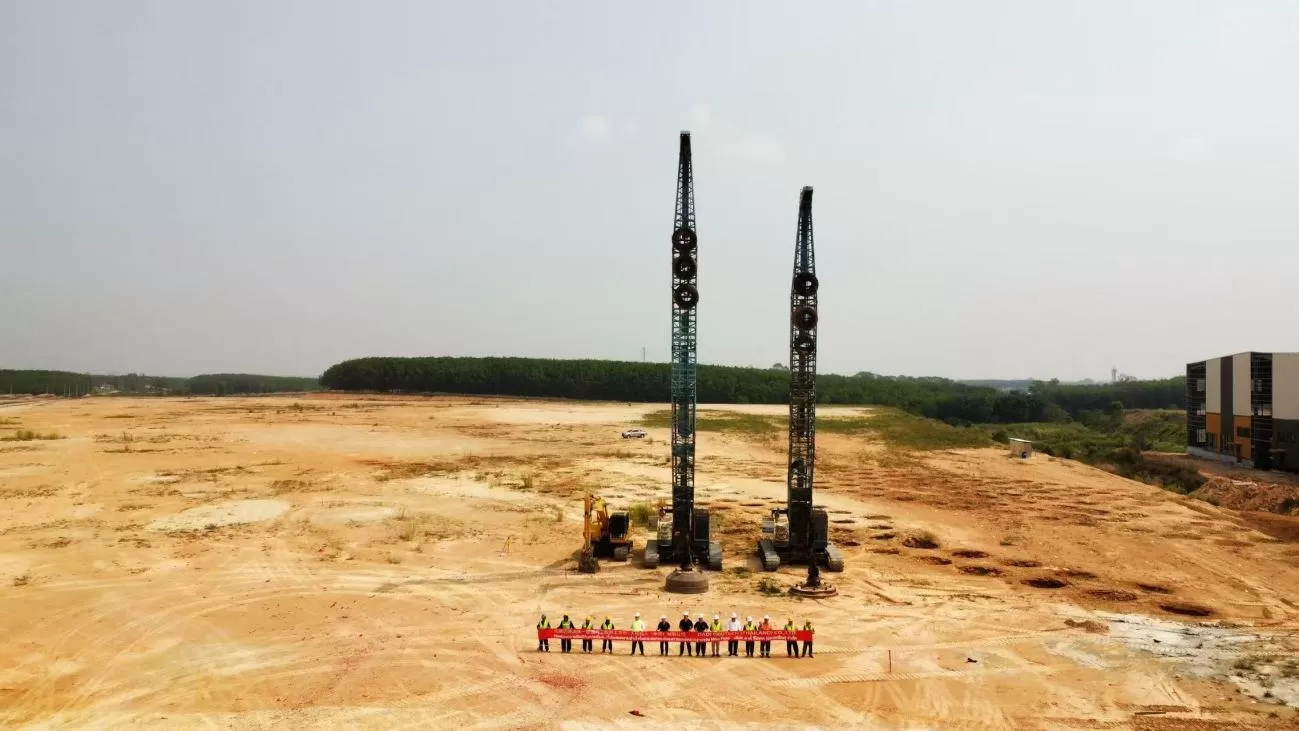
Mike Fluid New Factory Ground Improvement and Slope Support Project
Pinthong Industrial Estate 6, Chonburi Province, Thailand
-
SolutionsGround Improvement Systems
-
MarketsRenewable Energy & Advanced Materials
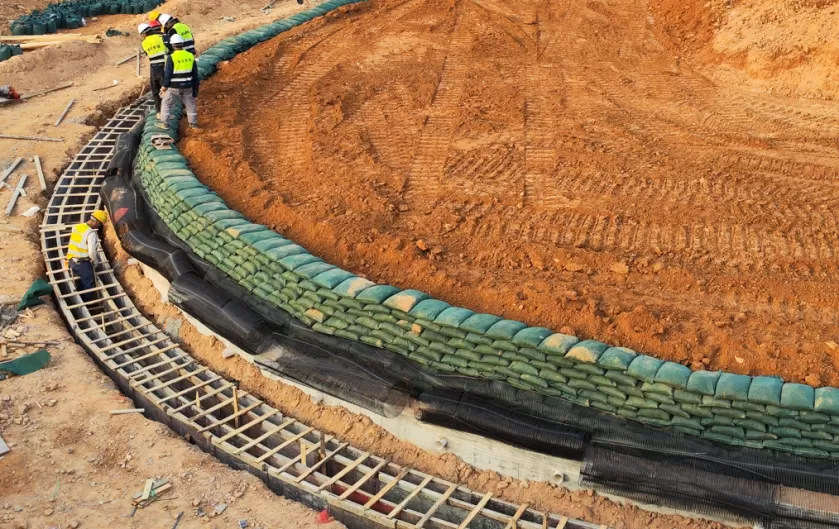
Wuzhou High-Tech Zone Photovoltaic Industrial Park Ground Improvement Project
Wuzhou, Guangxi Zhuang Autonomous Region, China
-
SolutionsGround Improvement Systems
-
MarketsEnergy & Petrochemical
CNOOC Shell Huizhou Wastewater Treatment Plant Project
Daya Bay Petrochemical Zone, Huizhou, Guangdong Province, China
-
SolutionsGround Improvement Systems
-
MarketsEnergy & Petrochemical
CNOOC Shell Phase III Ethylene Dynamic Compaction Intelligent Monitoring Project
Daya Bay Petrochemical Zone, Huizhou, Guangdong Province, China