
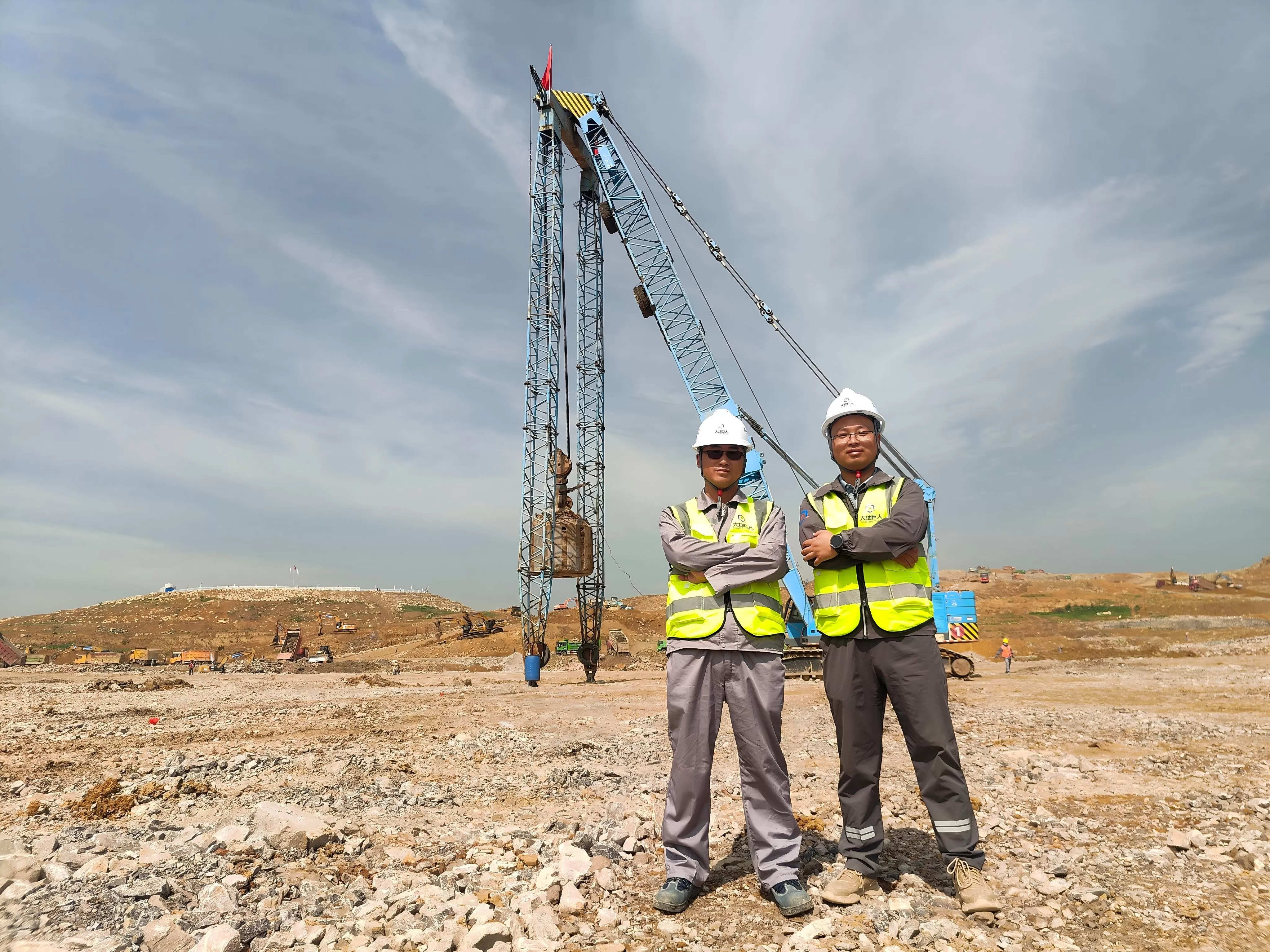
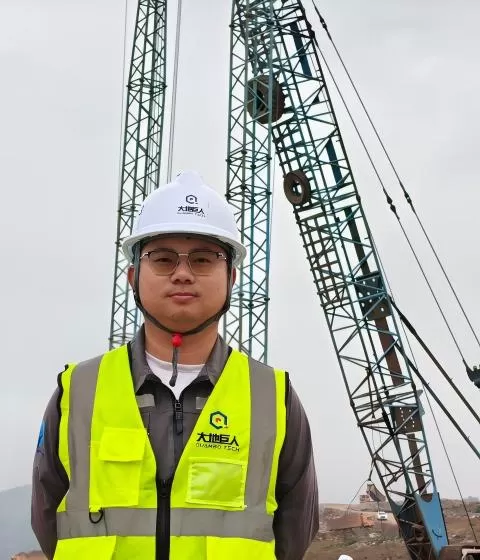
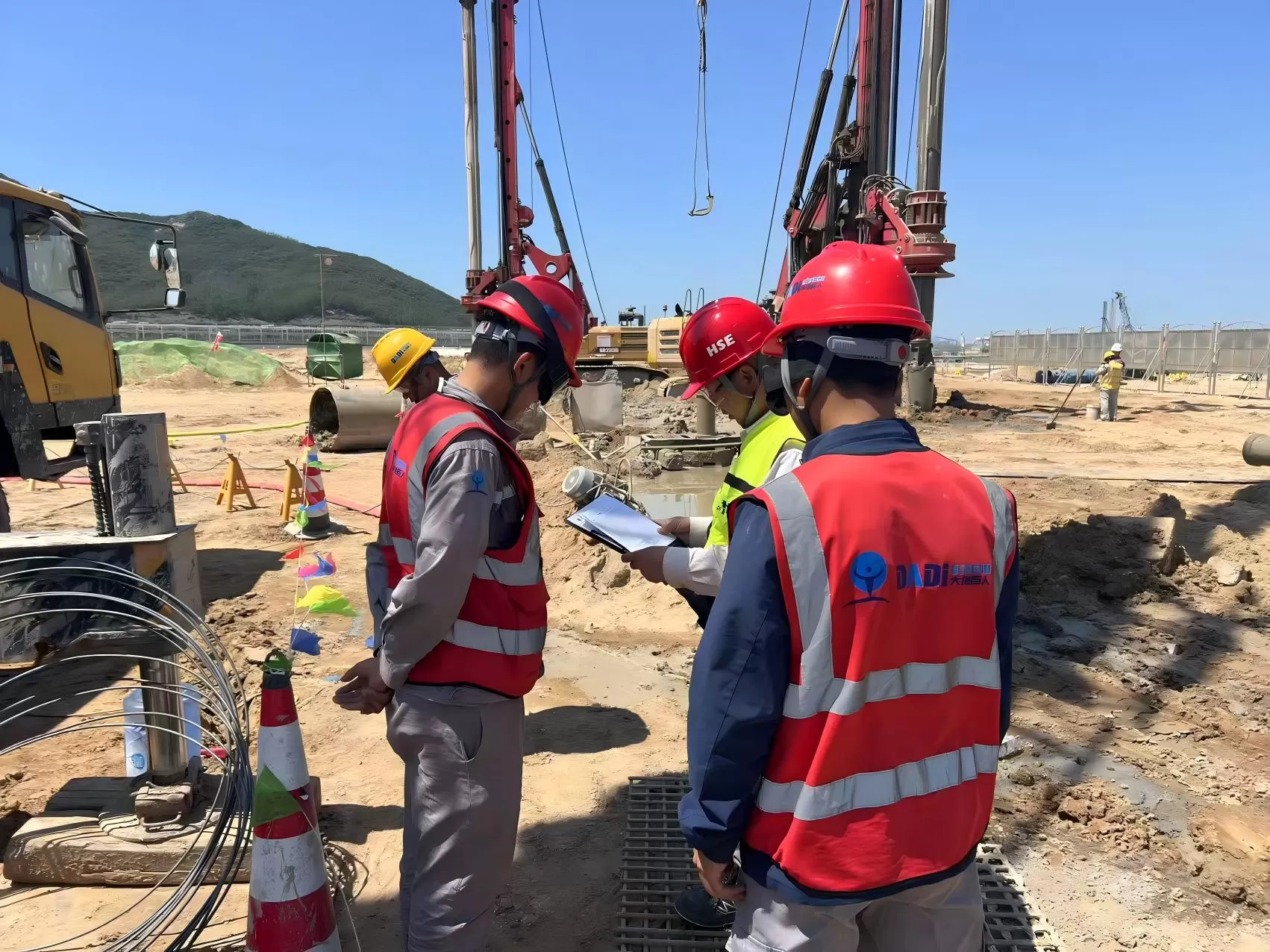
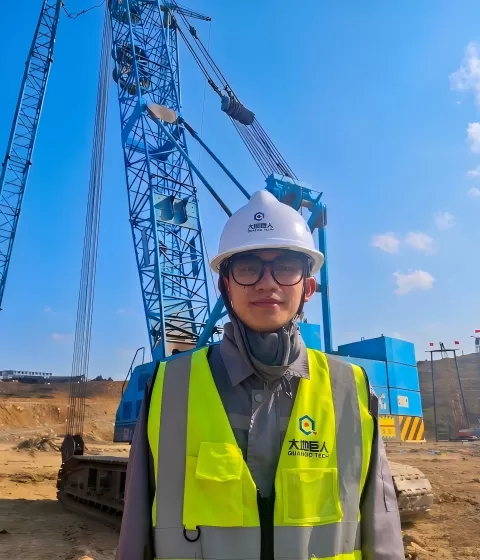





High Energy Dynamic Compaction (HEDC) is a deep ground improvement technique designed to enhance weak or heterogeneous soils into stable, high-capacity foundations.
By dropping heavy tampers from controlled heights, high impact energy is generated and transmitted into the ground, rearranging soil particles and densifying deep strata. This process forms a stronger and more uniform ground structure capable of supporting demanding industrial and infrastructure developments.
Compared with conventional dynamic compaction, high-energy dynamic compaction operates at significantly higher energy levels, enabling greater treatment depth and improved performance under complex ground conditions.
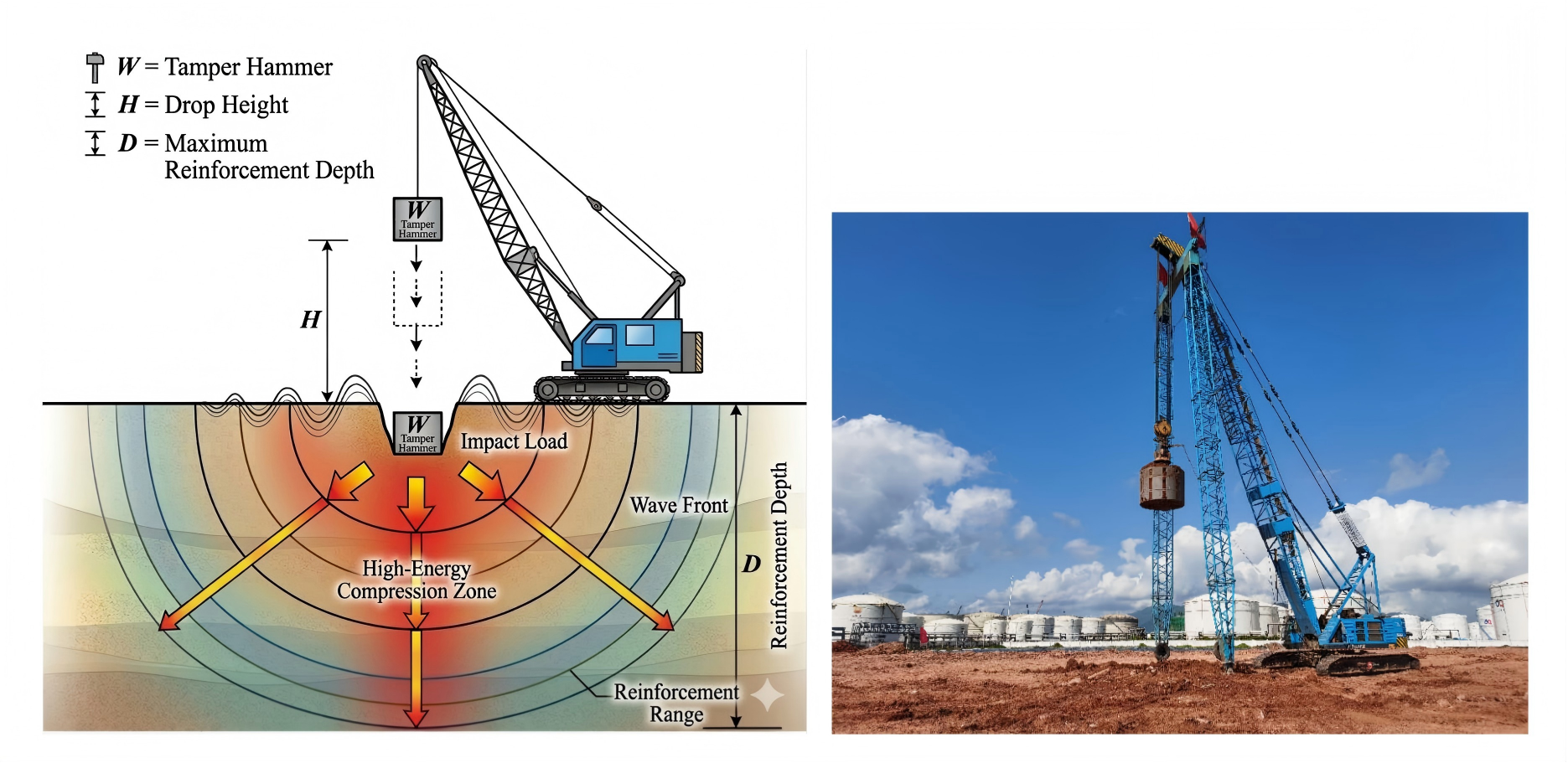
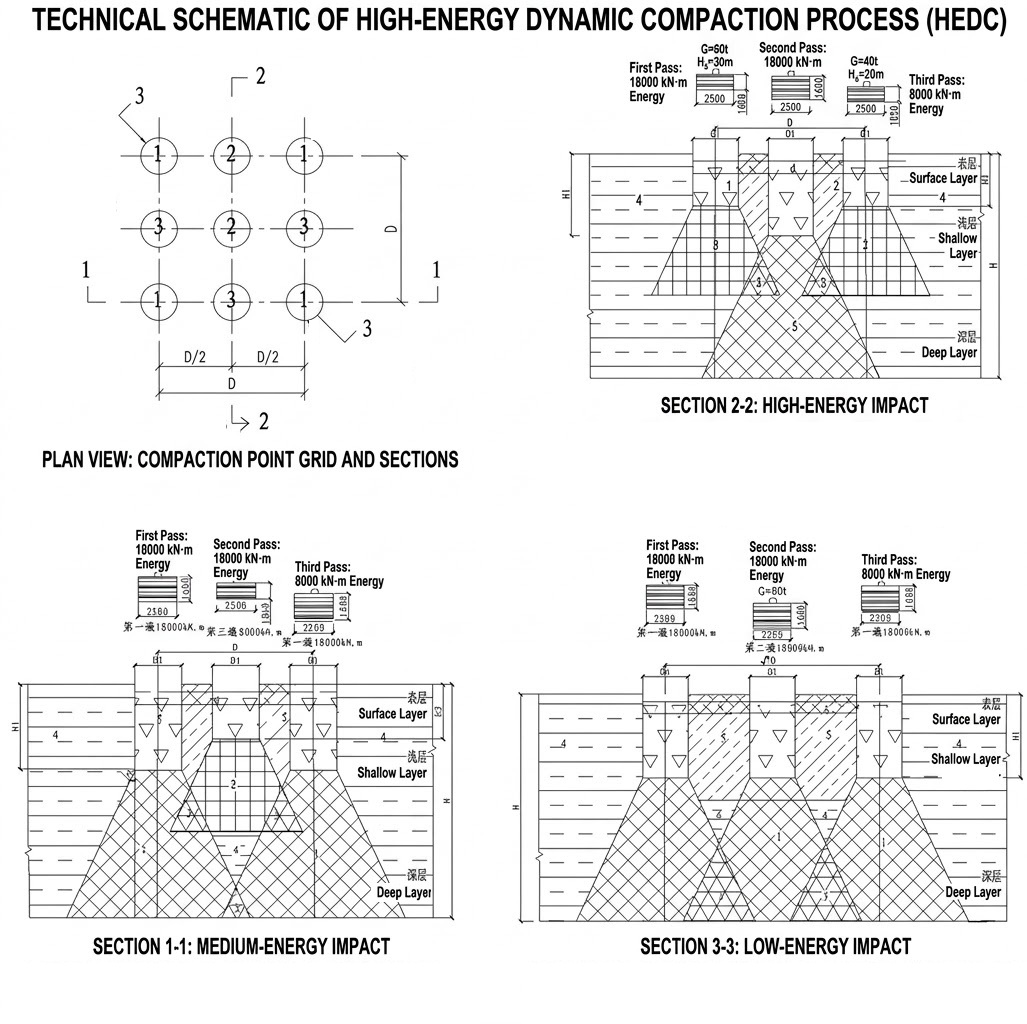
High Energy Dynamic Compaction is executed through a staged compaction process, applying different energy levels to progressively improve soil layers from depth to surface.
Based on dynamic response and stress diffusion principles, the compaction programme typically incorporates multiple energy levels:
-
High energy: 10,000 – 30,000 kN·m
-
Medium energy: 4,000 – 10,000 kN·m
-
Low energy: 1,000 – 3,000 kN·m
The compaction grid, impact sequence, and number of blows are carefully designed according to site-specific soil conditions and performance requirements. This staged approach enables effective densification of deep, intermediate, and near-surface soils while maintaining overall ground stability.
The treatment significantly enhances key ground performance characteristics, including:
-
Increased bearing capacity
-
Reduced compressibility
-
Improved resistance to liquefaction
-
Mitigation of collapsible soil behaviour
-
Improved ground uniformity and reduced differential settlement
The effective treatment depth depends on both soil type and applied impact energy. High Energy Dynamic Compaction can achieve substantial improvement depths, particularly in granular soils.
Typical effective treatment depths are summarised below:
| Impact Energy (kN·m) |
Coarse-Grained Soils (Gravel, Sand, etc.) |
Fine-Grained Soils (Silt, Silty Clay, Collapsible Loess, etc.) |
|---|---|---|
| 8,000 | 9.0 – 9.5 m | 8.0 – 8.5 m |
| 10,000 | 9.5 – 10.0 m | 8.5 – 9.0 m |
| 12,000 | 10.0 – 11.0 m | 9.0 – 10.0 m |
| 14,000 | 11.0 – 12.0 m | 10.0 – 11.0 m |
| 16,000 | 12.0 – 13.0 m | 11.0 – 12.0 m |
| 18,000 | 13.0 – 14.0 m | 12.0 – 13.0 m |
| 20,000 | 14.0 – 15.0 m | 13.0 – 14.0 m |
| 22,000 | 15.0 – 16.0 m | 14.0 – 15.0 m |
| 25,000 | 16.0 – 17.0 m | 15.0 – 16.0 m |
Typical Applications
High Energy Dynamic Compaction is particularly suitable for large-scale developments requiring deep ground improvement over extensive areas.
Suitable Ground Conditions
-
Deep uncontrolled fill deposits
-
Sand and gravel formations
-
Collapsible loess soils
-
Liquefiable sandy soils
-
Low-plasticity cohesive soils
Typical Project Applications
-
Industrial plants and manufacturing facilities
-
Port and logistics platforms
-
Petrochemical and energy developments
-
Infrastructure corridors and transport hubs
-
Large-scale site formation projects


-
SolutionsGround Improvement Systems
-
MarketsEnergy & Petrochemical
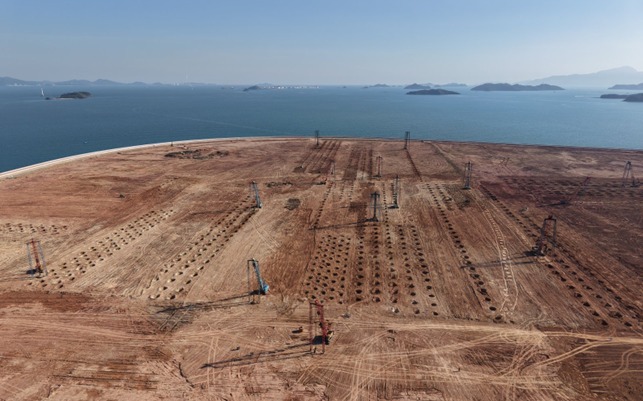
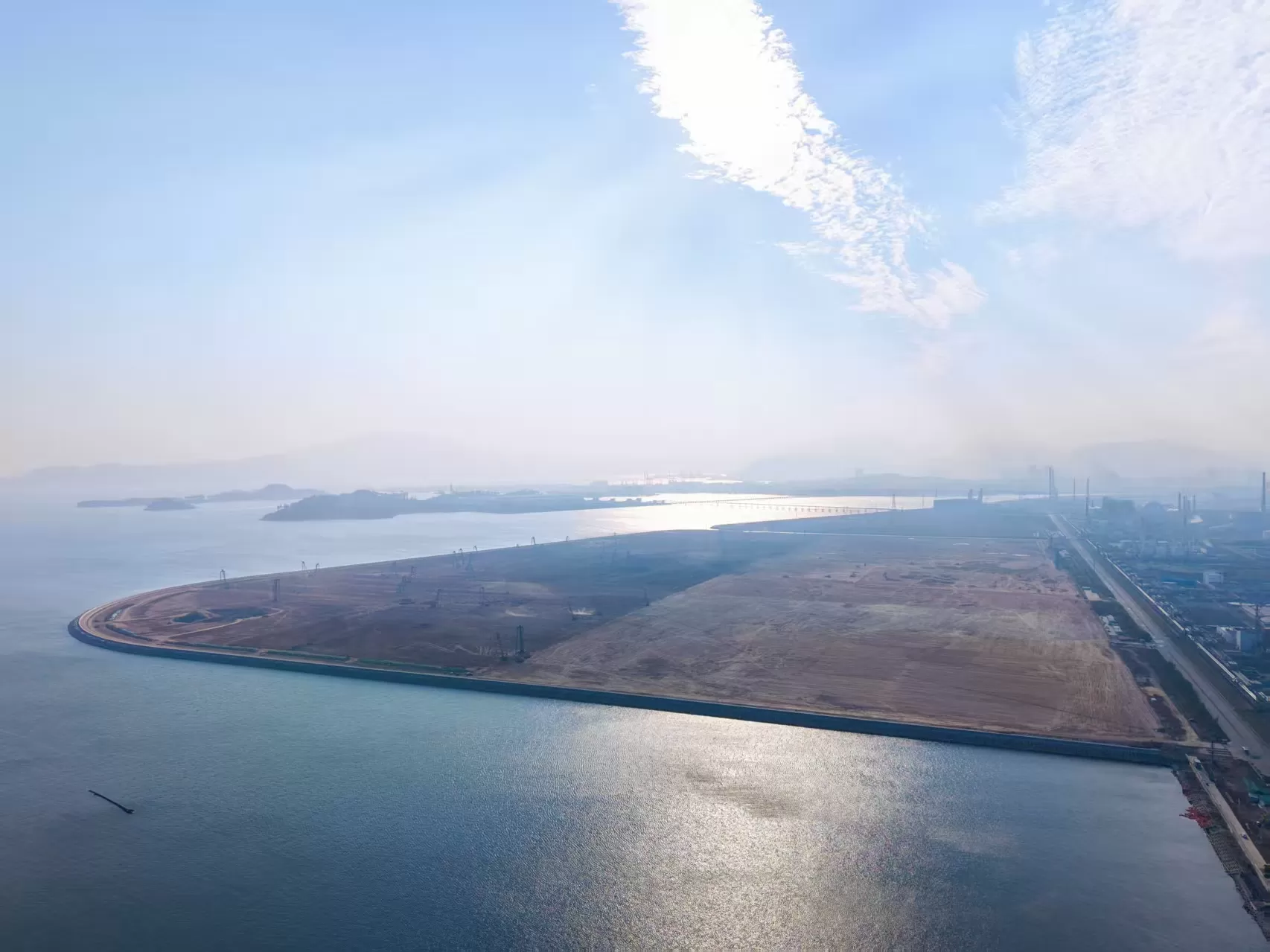
Sino-Saudi Gulei Petrochemical Dynamic Compaction Project
 Gulei Petrochemical Industrial Park, Zhangzhou, Fujian Province, China
-
SolutionsGround Improvement Systems
-
MarketsEnergy & Petrochemical
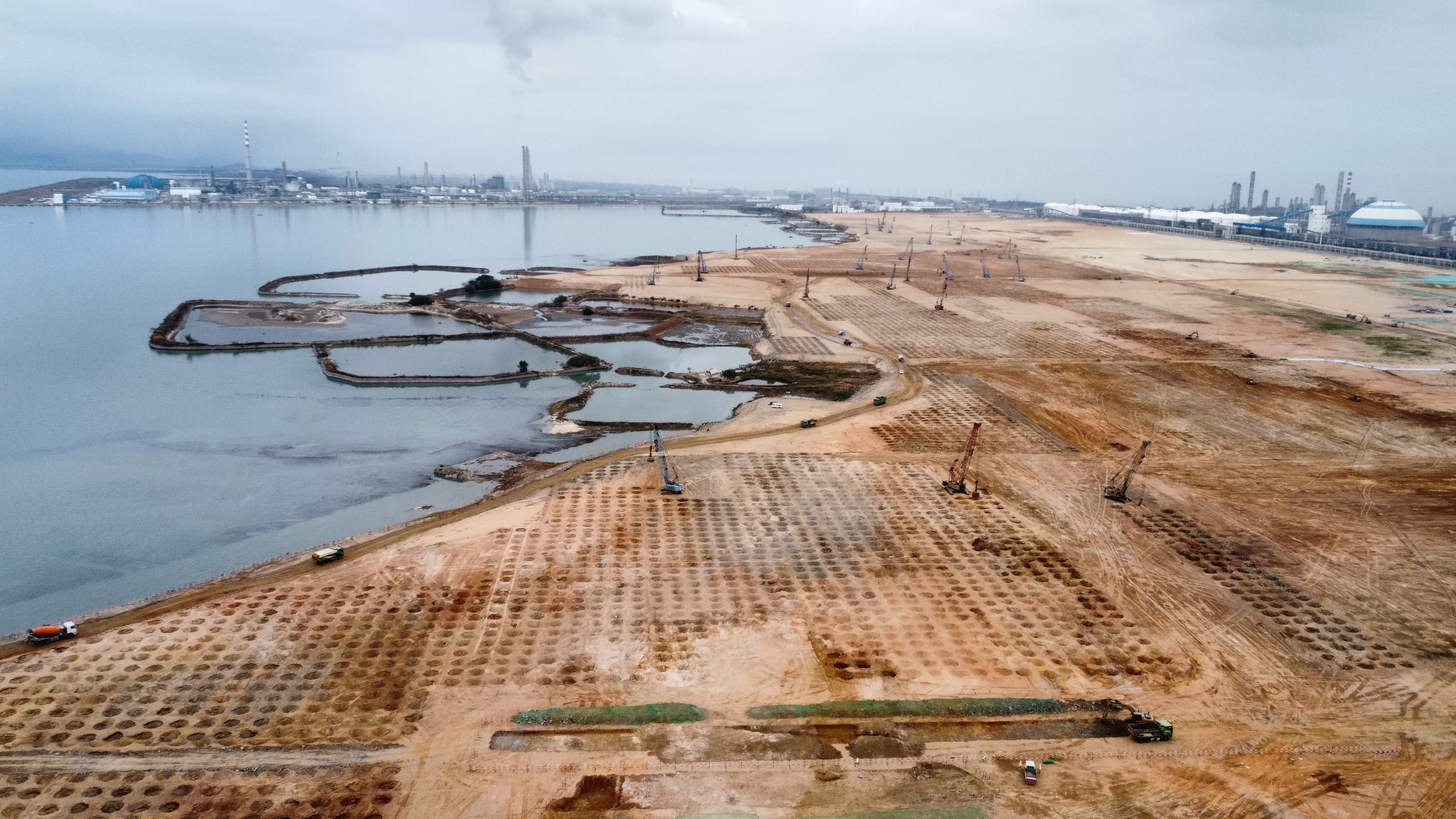
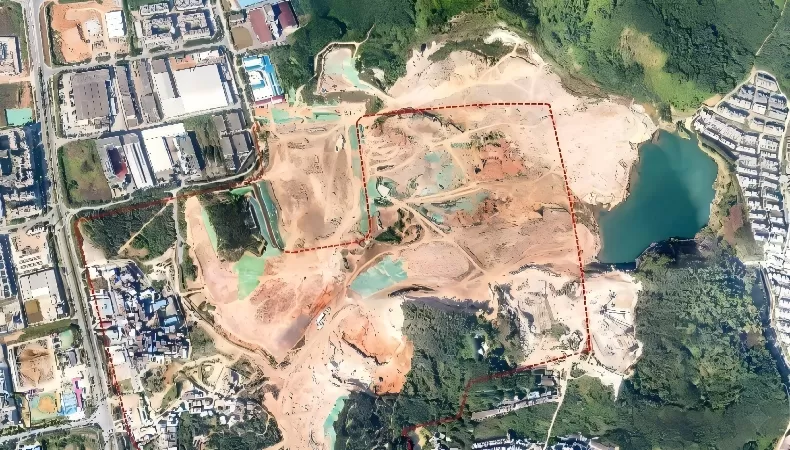
CNOOC Shell Huizhou Phase III Ethylene Dynamic Compaction Project
Daya Bay Petrochemical Zone, Huizhou, Guangdong Province, China
-
SolutionsGround Improvement Systems
-
MarketsIndustrial & Manufacturing
TCL CSOT t9 Display Panel Dynamic Compaction Project
Huangpu District, Guangzhou, Guangdong Province, China