





Ultra-low-headroom pile installation and strengthening is a specialised foundation solution for existing buildings and infrastructure where vertical working space is severely restricted. This typically refers to environments with less than 5 metres of clearance, including basements, underpasses, bridge soffits, culverts, and beneath industrial equipment foundations.
In such confined conditions, conventional piling equipment cannot be deployed, requiring purpose-designed construction methods and specialised equipment to ensure safe and effective execution.
Within limited vertical space, compact, modular, and angle-adjustable equipment is used to carry out pile drilling, reinforcement cage installation, and concrete placement. This enables foundation strengthening and settlement control without the need for large-scale access or structural disruption.
Common pile solutions include micropiles (root piles) and static-pressed steel pipe piles, which can be arranged flexibly to suit site constraints and load requirements. Where necessary, grouting techniques are applied to enhance pile–soil interface friction and improve load transfer performance.
Key technical characteristics include:
- Ability to operate within severe headroom and access constraints
- Minimal disturbance to existing structures and adjacent assets
- Flexible pile layout to target critical load-bearing zones
- Integration with grouting to enhance composite ground performance
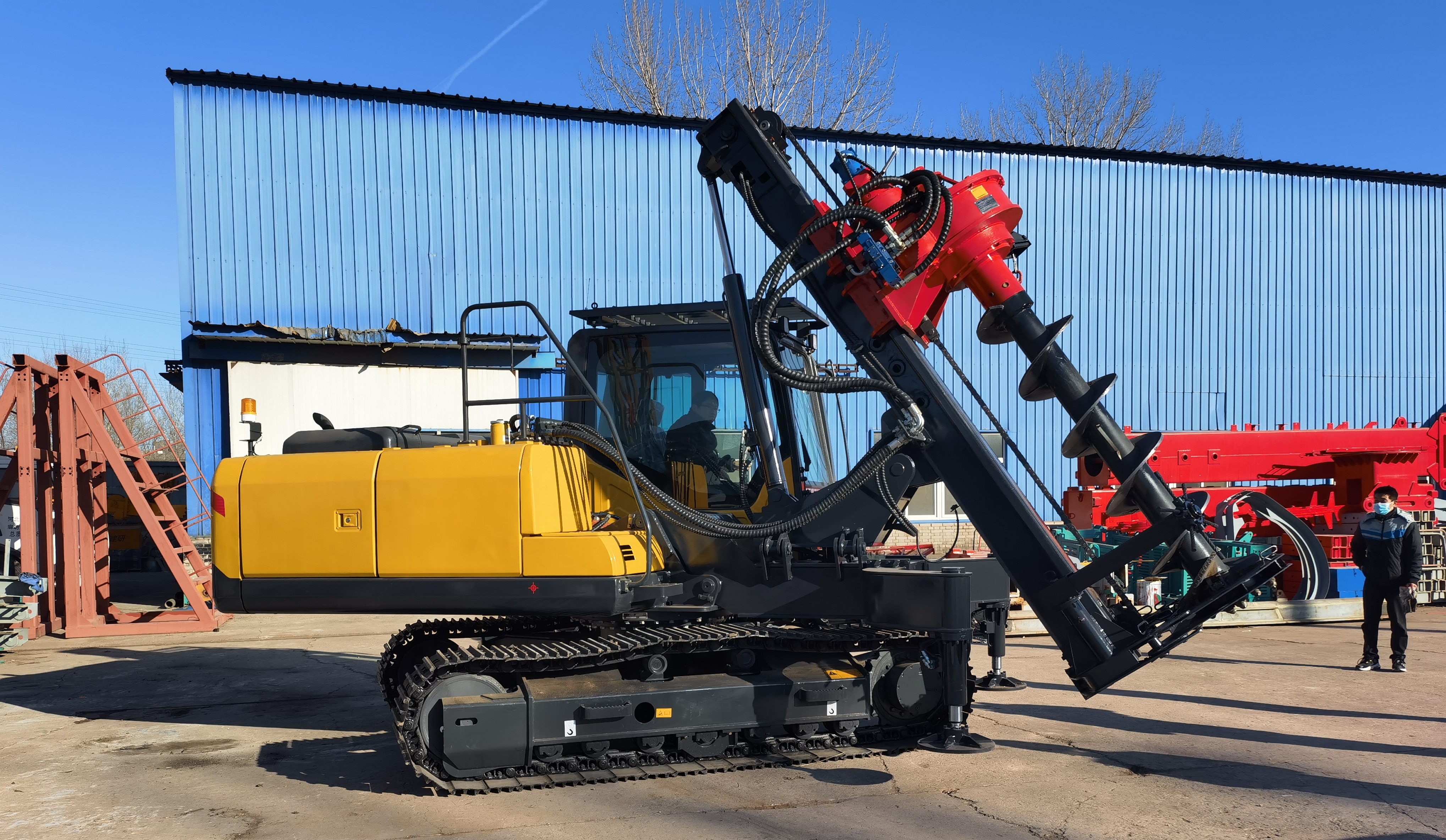
This solution is widely used in projects where restricted access and limited headroom prevent the use of conventional piling methods. Typical applications include foundation strengthening beneath existing buildings, industrial facilities, and equipment bases, as well as works in basements, tunnels, bridges, and utility corridors.
By introducing new load-bearing elements beneath or around existing foundations, the method provides a controlled and practical approach to improving structural performance while maintaining ongoing operations.