
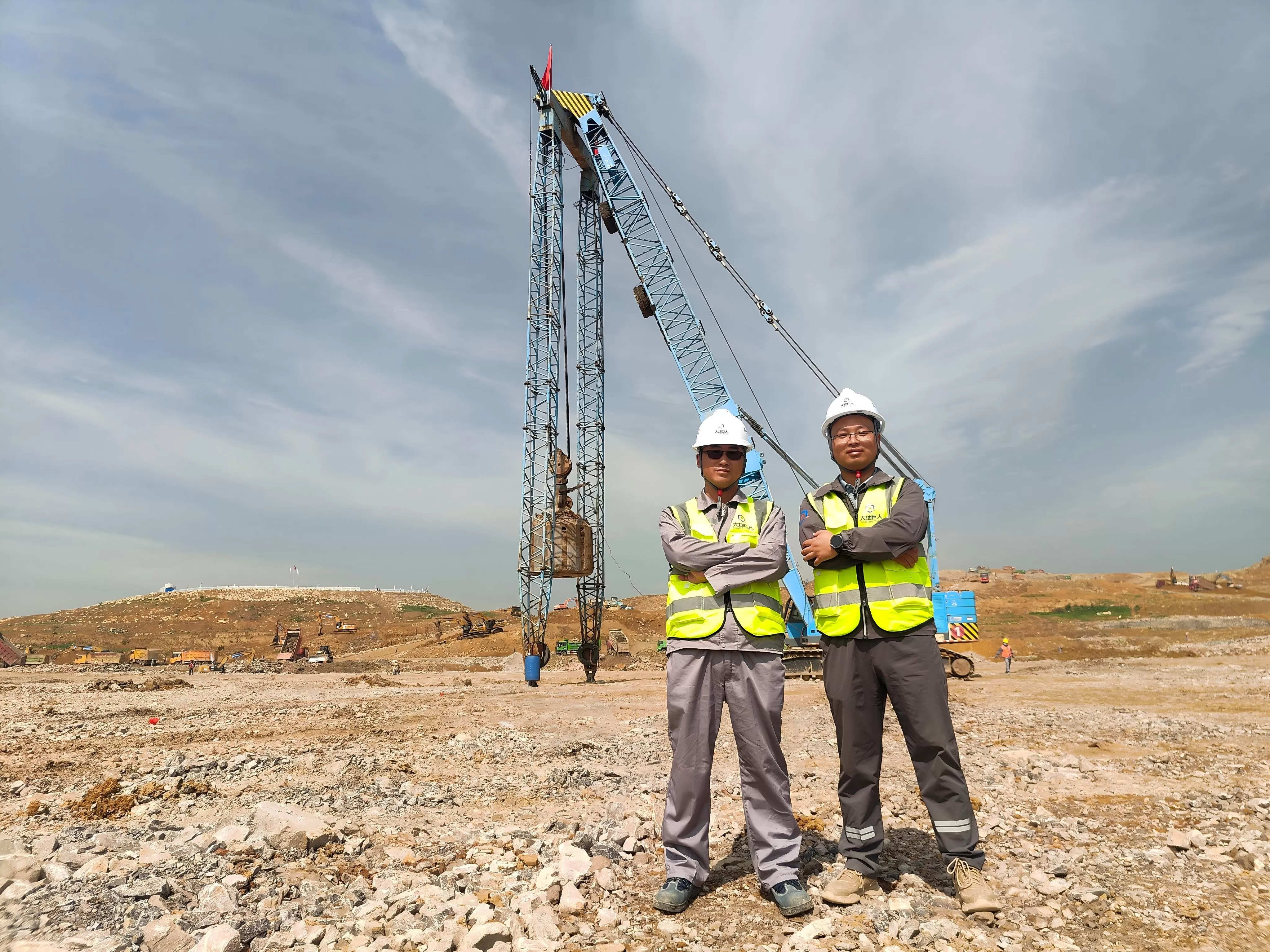
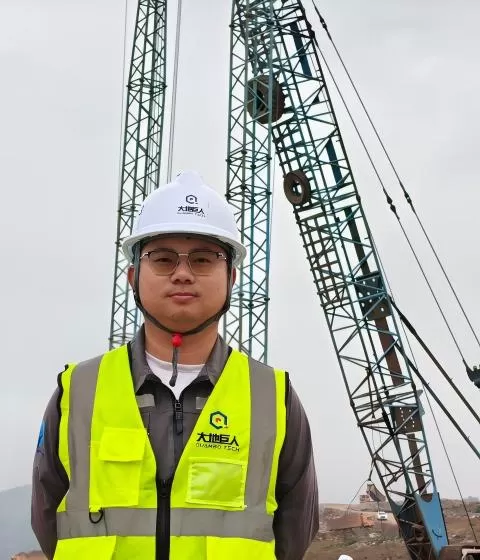
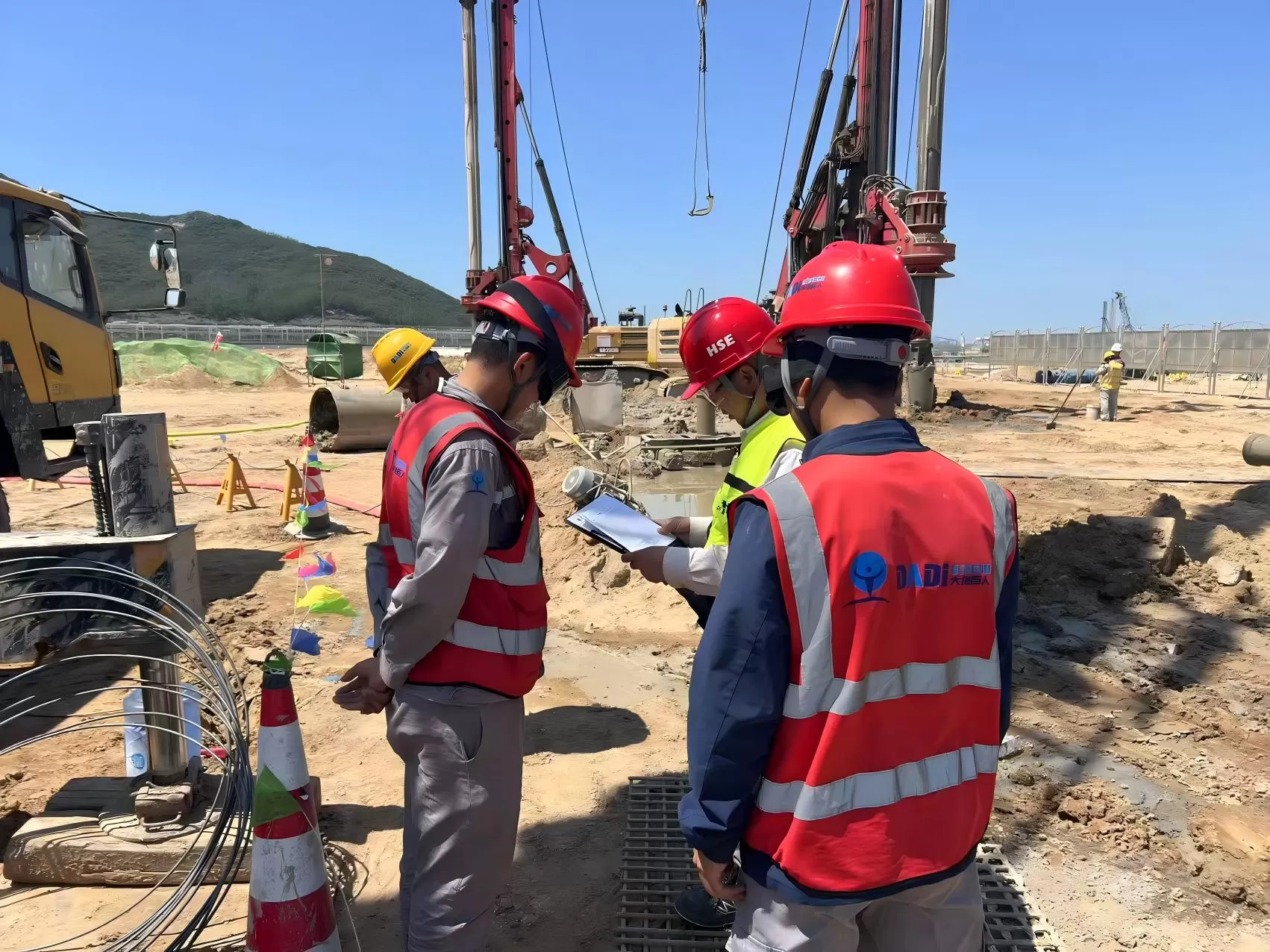
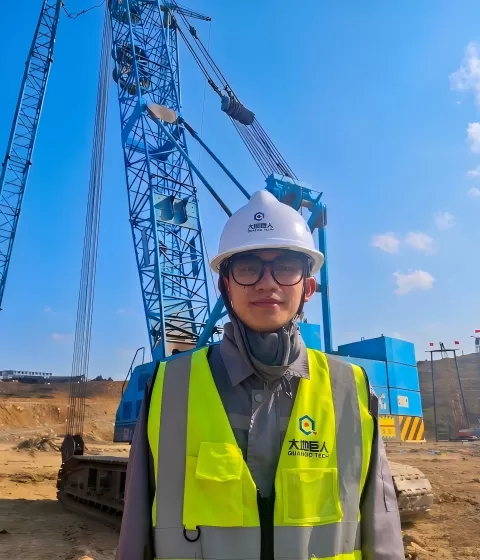





The CNOOC and Shell Huizhou Phase III Ethylene Project is a major expansion project developed by CNOOC and Shell Petrochemicals Company Limited in the Daya Bay Petrochemical Zone, Huizhou. According to public reports, the Phase III Ethylene Project and the Polycarbonate Project represent a combined investment of nearly RMB 60 billion. The Phase III Ethylene Project will include a 1.6 million tonnes per year ethylene cracker, 16 downstream chemical production units and associated supporting facilities, and is planned to be completed and put into operation in 2028. Upon completion, the project will further strengthen CNOOC and Shell’s production capacity in high-end chemical products and advanced materials.
The project site is located in the Daya Bay Petrochemical Zone in Huizhou, Guangdong Province. The site benefits from convenient land and water transportation and well-developed supporting infrastructure. Binhai Avenue runs along the northern side of the site, with major transport routes such as Petrochemical Avenue, Beihuan Road, Huishen Coastal Expressway and Huida Expressway nearby. Huizhou Port is approximately 4.5 km to the southwest.
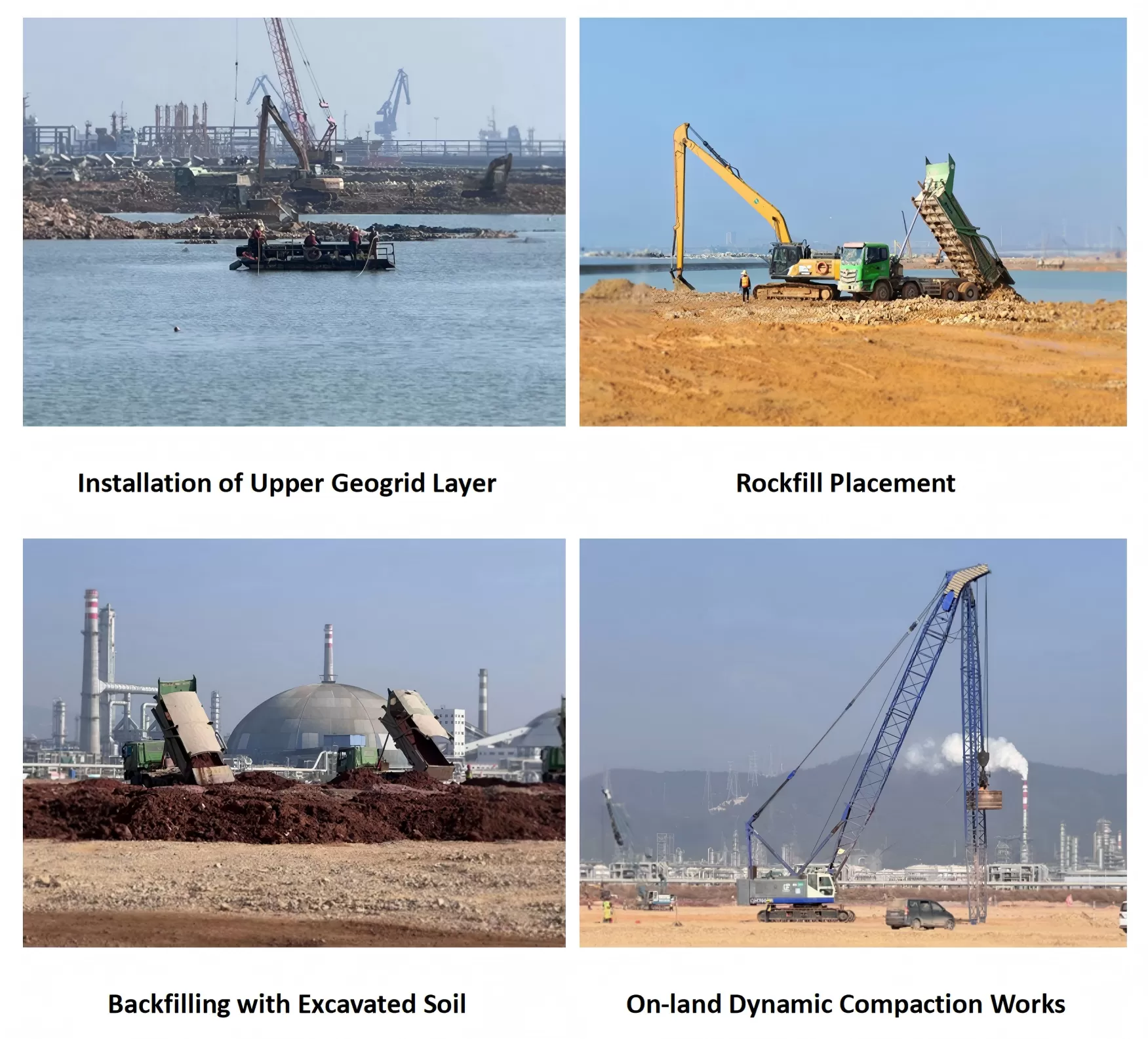
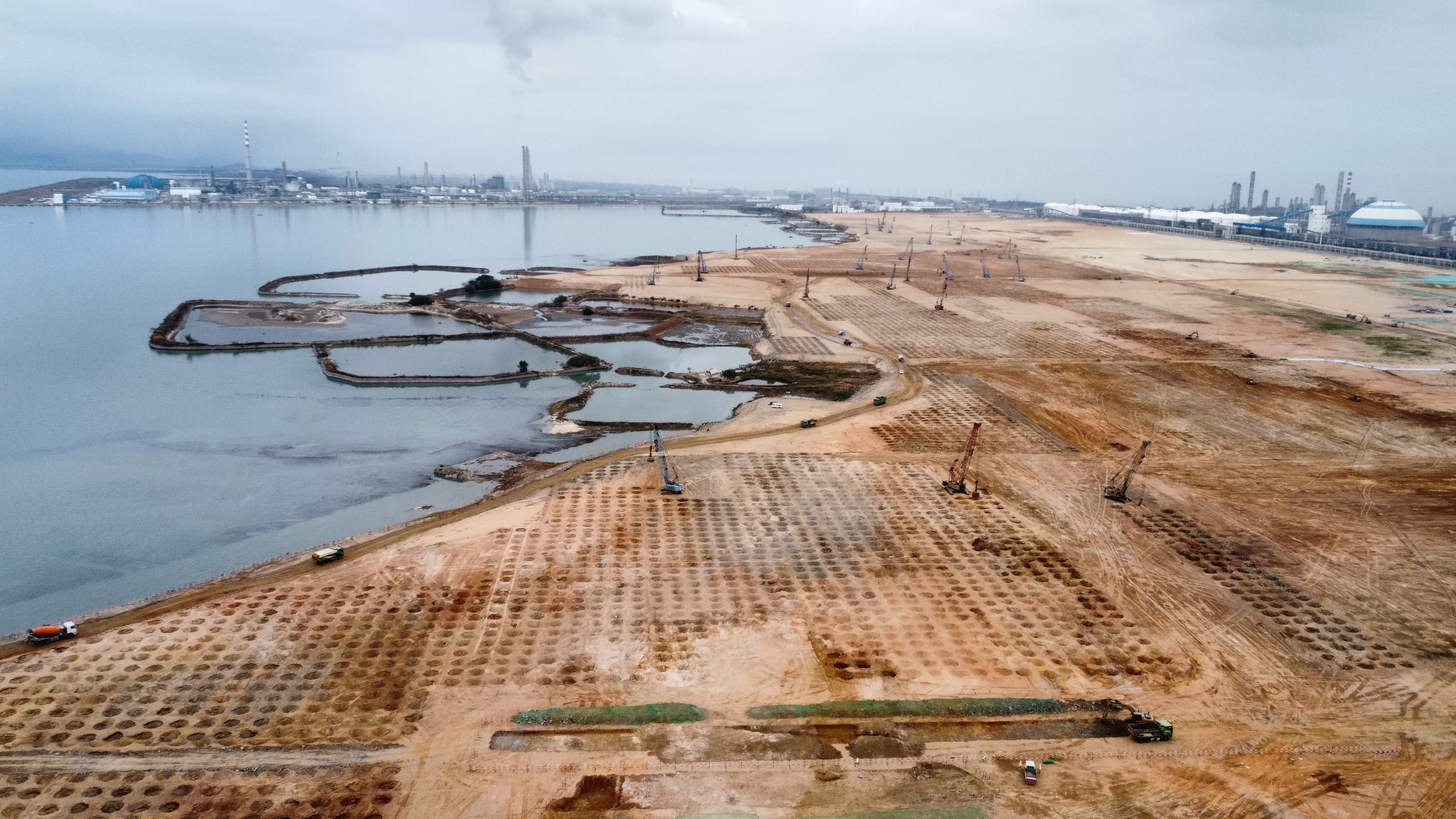
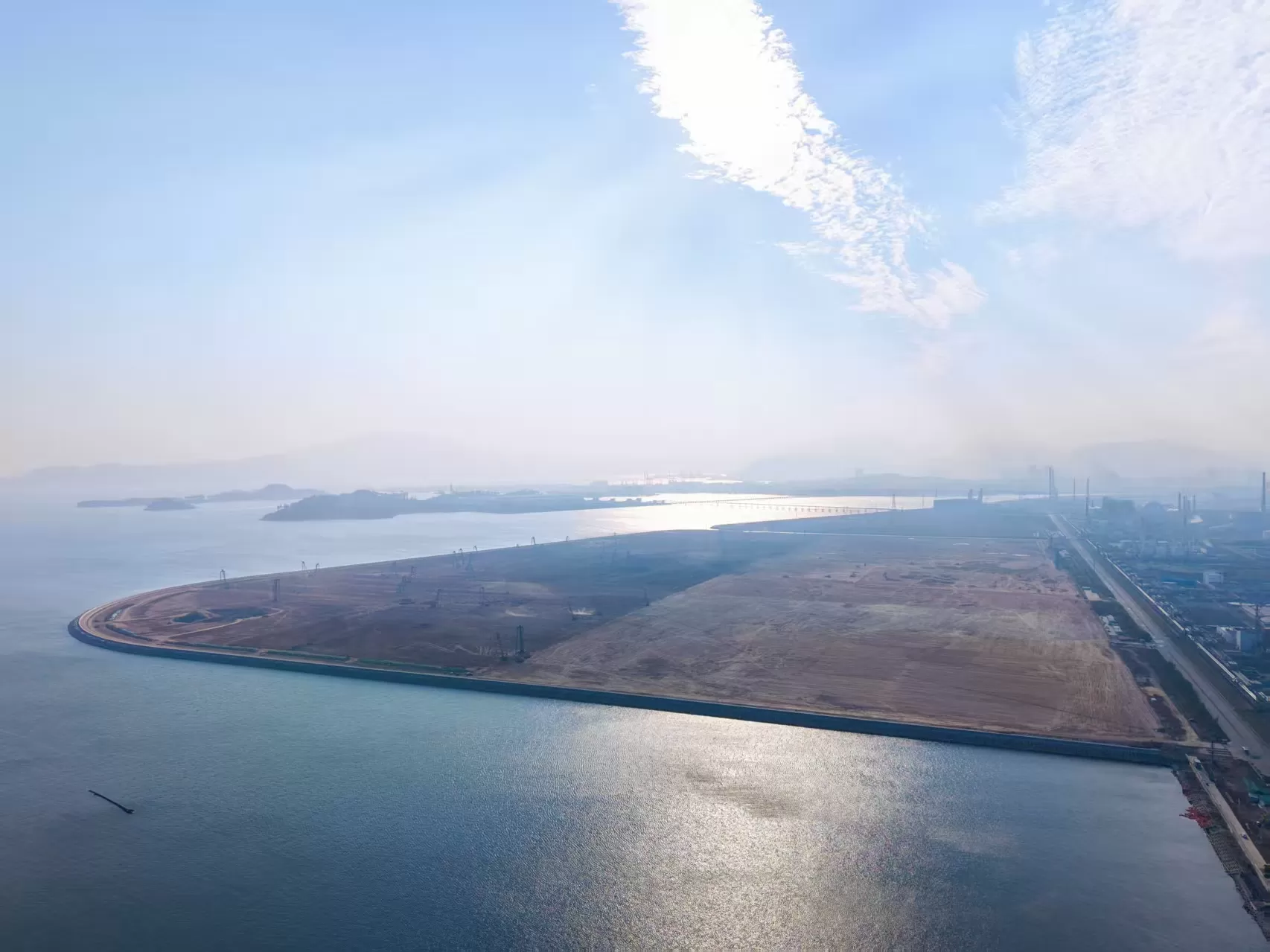
The proposed site was originally a marine depositional area and was later formed through land reclamation. Before handover, preliminary ground improvement had been carried out by the industrial park, mainly using a surcharge preloading and dynamic compaction scheme. The treatment process included placing a sand blanket before reclamation, installing prefabricated vertical drains, backfilling with excavated rockfill, and applying dynamic compaction to further improve ground performance, thereby providing suitable foundation conditions for the subsequent construction of large petrochemical facilities and supporting infrastructure.
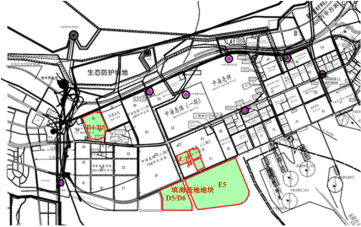
As a ground improvement project for a large-scale petrochemical industrial site, the project involved a substantial construction area and high future structural loads. It required enhanced bearing capacity, settlement control, ground uniformity and long-term stability.
The site was formed through land reclamation, resulting in complex subsurface conditions. The backfill mainly consisted of quartz sandstone, breccia fragments, cohesive soil, weathered sandy gravel soil and silt. The material was poorly graded, unevenly distributed and relatively unstable in engineering behaviour. For the subsequent ethylene cracker, chemical production units and supporting facilities, differential settlement control was a key consideration in the ground improvement works.
The original marine mud layer within the site was relatively thick. In some areas, the upper part had consolidated into muddy soil, while locations with thicker mud showed relatively poor consolidation. The presence of soft soil increased the difficulty of ground improvement and placed higher requirements on drainage consolidation, dynamic compaction effectiveness and long-term settlement control.
Borehole information indicated that the groundwater was seawater and was significantly affected by marine tides. The annual groundwater fluctuation could be considered as 3 m, and the anti-floating design water level was required to be controlled at the outdoor ±0.000 m elevation. The high and fluctuating groundwater level imposed additional requirements on the ground improvement scheme, drainage system arrangement, construction organisation and quality control.
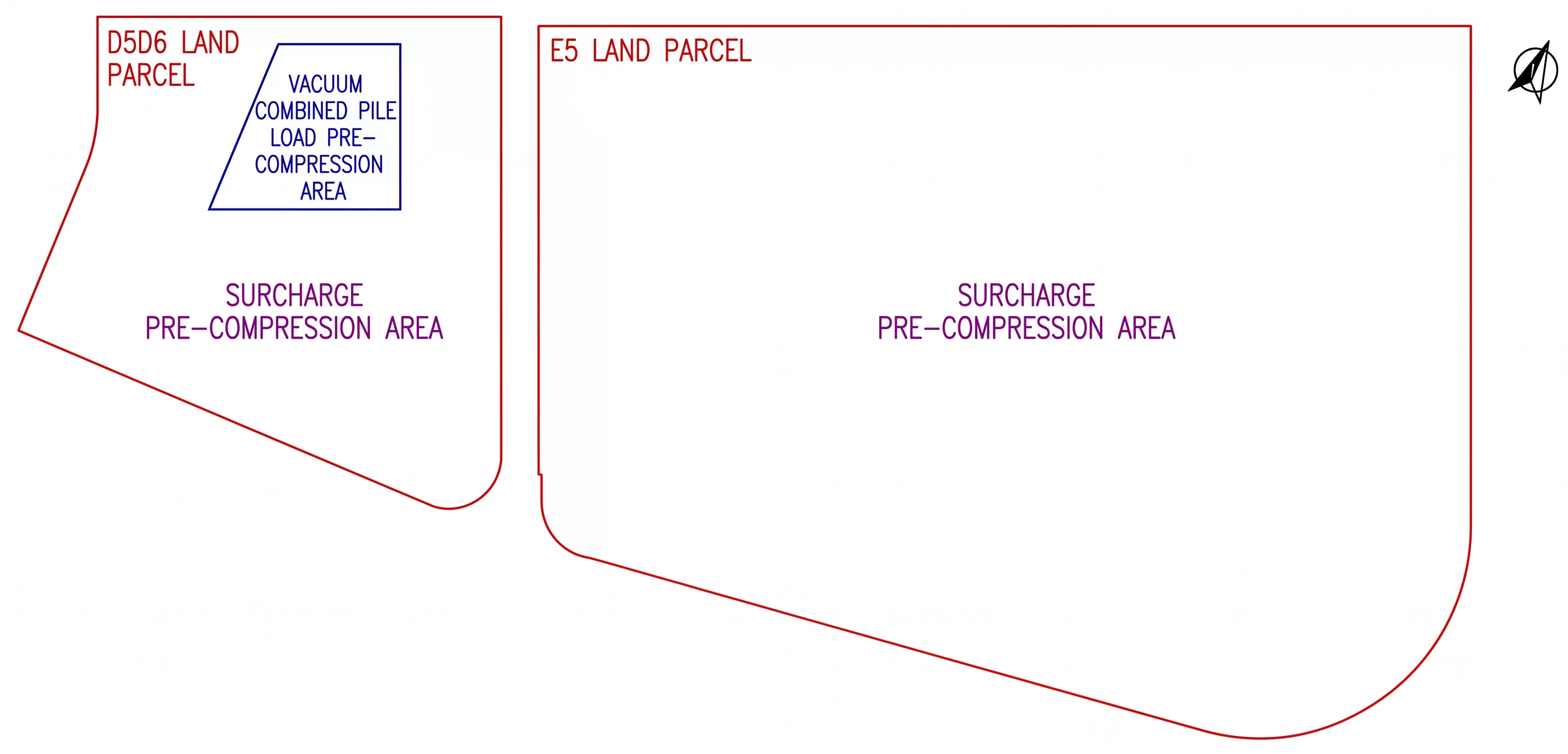
Based on the geological conditions and treatment requirements of different zones, a zoned ground improvement approach was adopted. The central northern area of D5D6 was treated using a combined vacuum surcharge preloading, dynamic compaction and rolling scheme, while other areas were mainly treated using surcharge preloading, dynamic compaction and rolling. By integrating drainage consolidation, surcharge loading, dynamic compaction and subsequent rolling compaction, the overall stability, density and uniformity of the reclaimed site were progressively improved.
In the vacuum surcharge preloading area, after shallow treatment was completed, woven geotextile and geogrid were installed, followed by placement of a drainage sand blanket. Prefabricated vertical drains were then installed on land in a square pattern at 0.8 m spacing. After the drainage system was completed, filter pipes and sealing membranes were laid, and vacuum pumping equipment was installed. Once the vacuum loading met the design requirements, surcharge loading was carried out. After the surcharge preloading stage was completed, dynamic compaction was performed, including both point compaction and ironing passes. Finally, excavated soil was backfilled and compacted using vibratory rollers.
In the surcharge preloading areas, a sand blanket was first placed before reclamation, followed by the installation of prefabricated vertical drains. The drains were 10 cm wide and 4 mm thick, arranged in a square pattern at 0.7 m or 0.8 m spacing. The installation depth was determined by the requirement to penetrate the mud layer and reach the underlying gravel layer or hard stratum. Excavated rockfill was then placed and treated by dynamic compaction. After ironing compaction and rolling were completed, excavated soil was backfilled and compacted using vibratory rollers.
This integrated treatment approach combined drainage consolidation, preloading, dynamic compaction and mechanical rolling. It improved the engineering properties of both the soft ground and reclaimed fill layers, enhanced the overall density and bearing performance of the site, and provided reliable foundation conditions for the subsequent construction of large petrochemical facilities.


-
SolutionsGround Improvement Systems
-
MarketsEnergy & Petrochemical
Sino-Saudi Gulei Petrochemical Dynamic Compaction Project
 Gulei Petrochemical Industrial Park, Zhangzhou, Fujian Province, China
-
SolutionsGround Improvement Systems
-
MarketsEnergy & Petrochemical
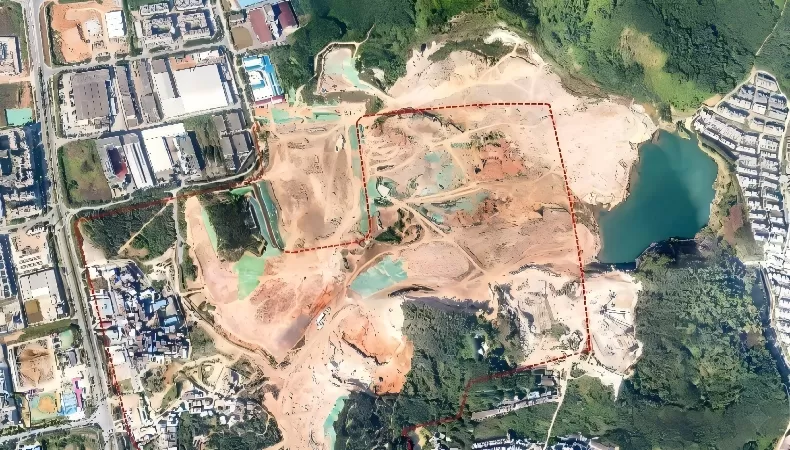
CNOOC Shell Huizhou Phase III Ethylene Dynamic Compaction Project
Daya Bay Petrochemical Zone, Huizhou, Guangdong Province, China
-
SolutionsGround Improvement Systems
-
MarketsIndustrial & Manufacturing
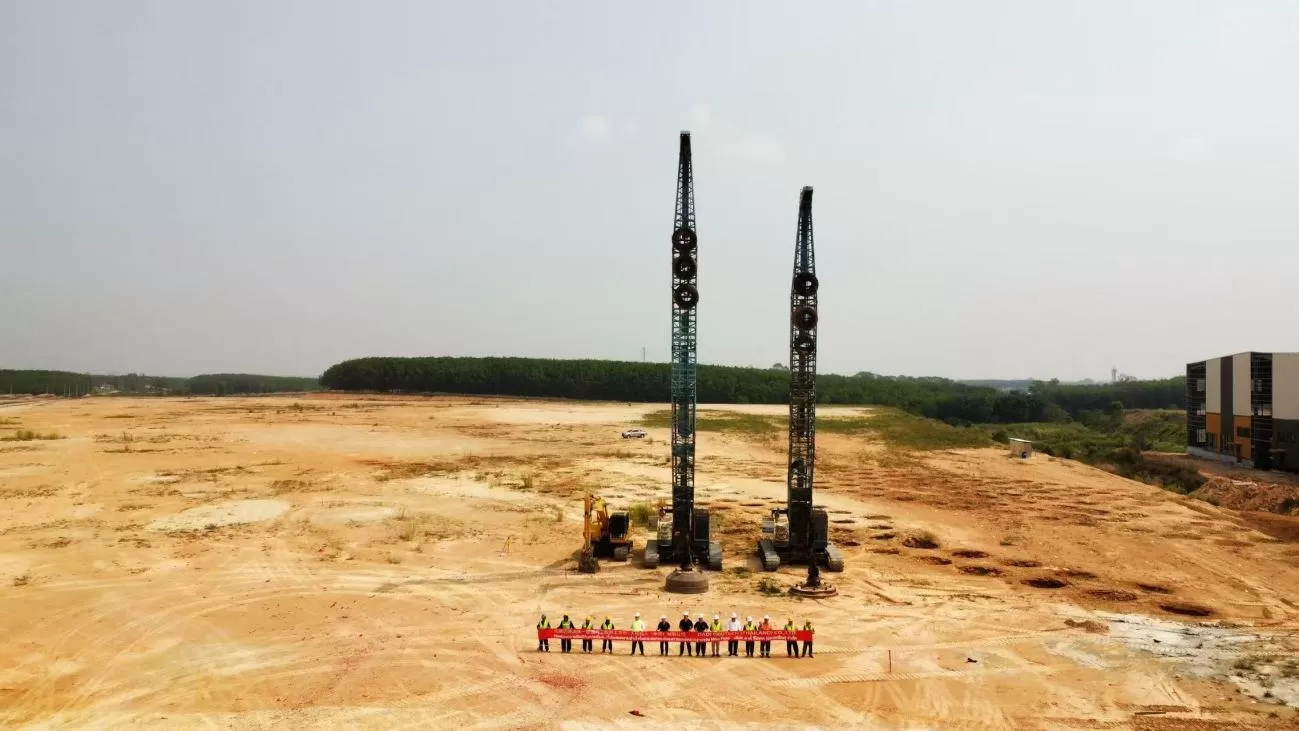
TCL CSOT t9 Display Panel Dynamic Compaction Project
Huangpu District, Guangzhou, Guangdong Province, China
-
SolutionsGround Improvement Systems
-
MarketsIndustrial & Manufacturing
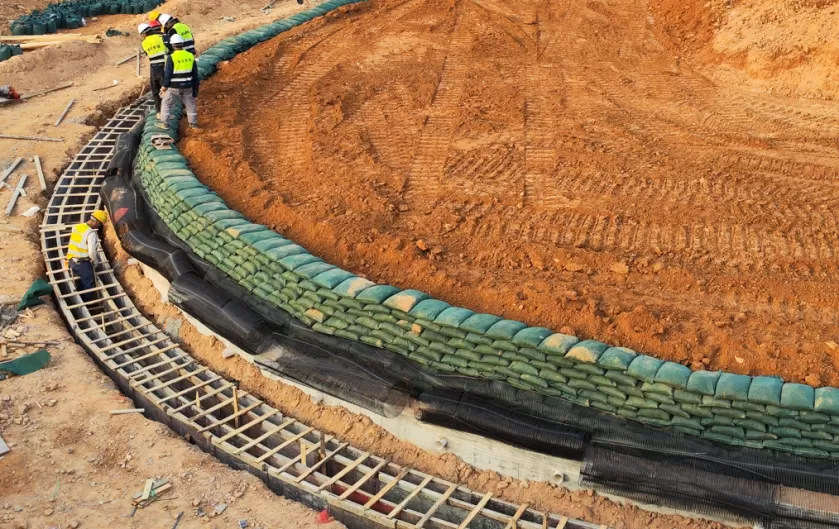
Mike Fluid New Factory Ground Improvement and Slope Support Project
Pinthong Industrial Estate 6, Chonburi Province, Thailand
-
SolutionsGround Improvement Systems
-
MarketsRenewable Energy & Advanced Materials
Wuzhou High-Tech Zone Photovoltaic Industrial Park Ground Improvement Project
Wuzhou, Guangxi Zhuang Autonomous Region, China