
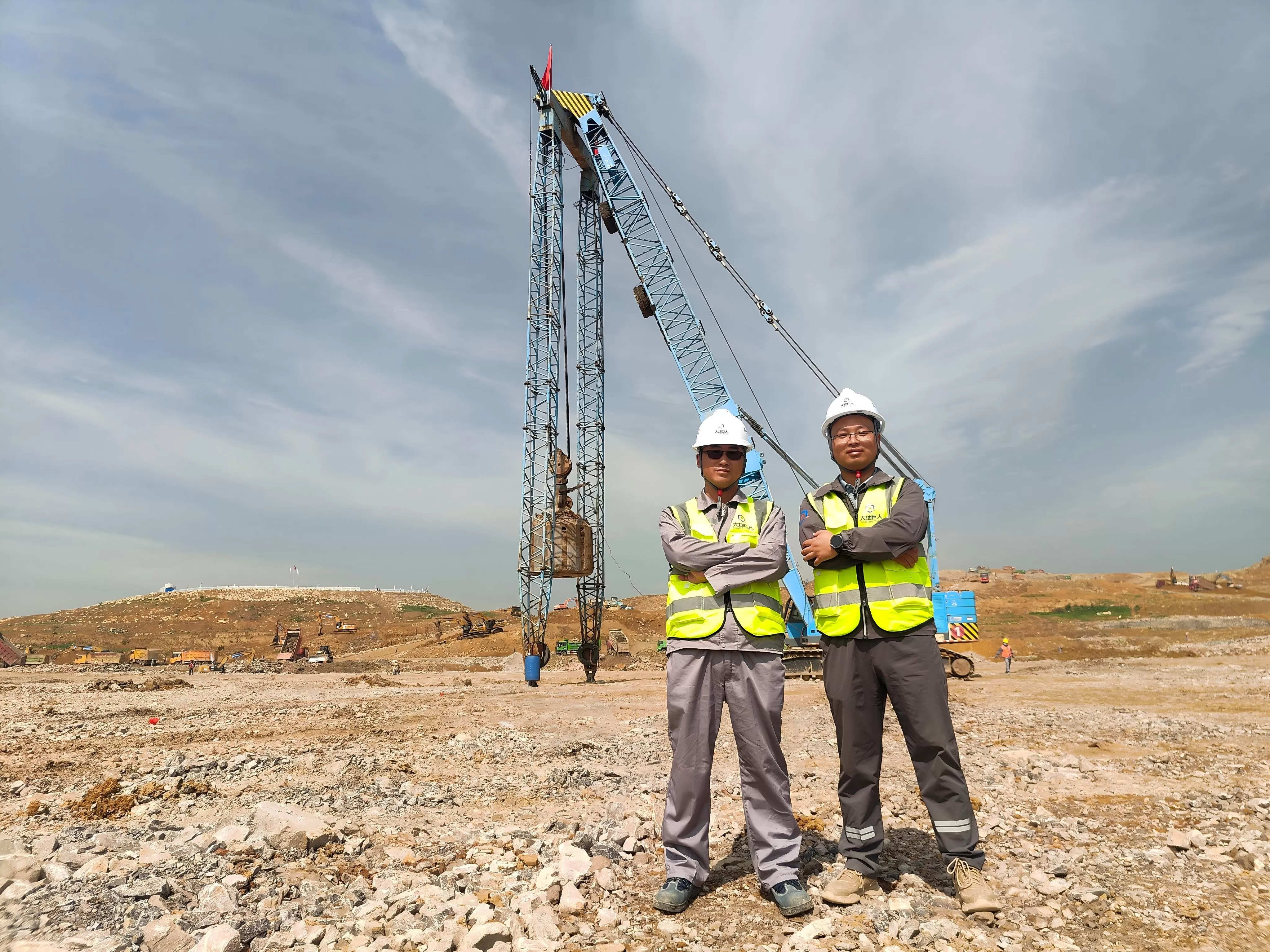





The project involved ground improvement and fill retaining wall works for the Wuzhou High-Tech Zone Photovoltaic Industrial Park. The site covers a total land area of approximately 298,195.54 square metres and includes 21 proposed buildings and structures.
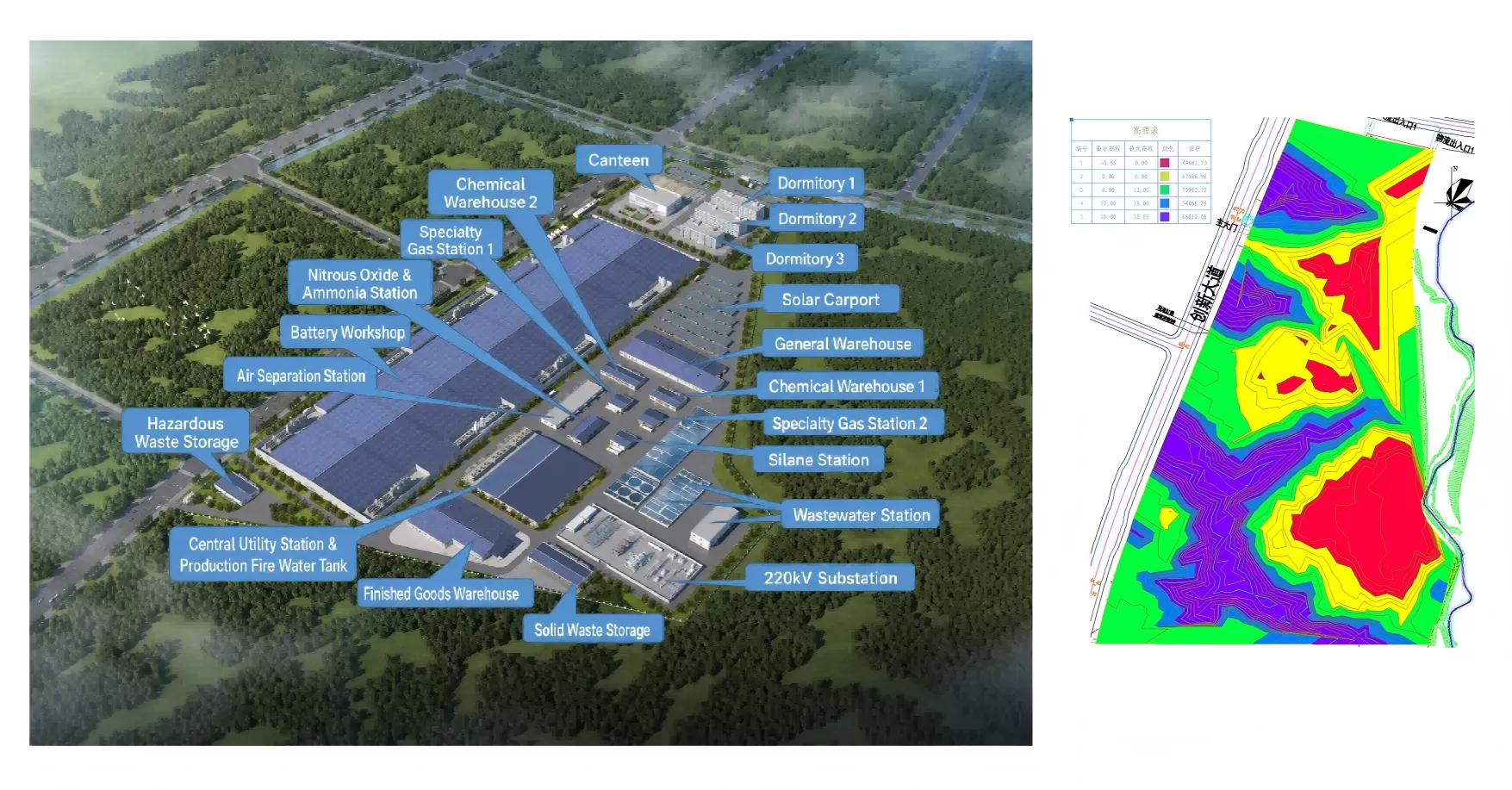
The fill thickness across the site varied significantly, ranging from approximately 0.5m to 35.6m. The fill material mainly consisted of weathered residual fragments of conglomerate and sandstone. Based on different fill thicknesses, building loads and functional requirements, the project adopted multiple ground improvement methods, including dynamic compaction, dynamic replacement, dynamic compaction combined with rigid pile composite foundation, and dynamic compaction combined with pile foundation. Reinforced soil retaining walls were adopted for the fill retaining wall sections.
The original landform of the site was hilly terrain, which was later filled in an uncontrolled manner, resulting in a deep and loose fill site. The fill thickness ranged from approximately 0.50m to 33.30m, with significant variation across different areas and poor fill uniformity. This placed higher requirements on zoning design and construction control for the ground improvement works.
The main factory building needed to span across deep and non-uniform fill. Without sufficient ground improvement, post-construction settlement and differential settlement would be difficult to control, potentially affecting structural safety and future production use. If a conventional pile foundation solution were adopted directly, the project would need to address significant negative skin friction and the resulting downdrag loads caused by the thick fill, making the solution less economical.
In addition, the solid waste warehouse on the southern side was located close to the fill retaining wall area, making retaining wall stability a key concern. The retaining wall needed to address the site elevation difference while also considering surrounding building loads, ground conditions, drainage requirements and long-term stability.
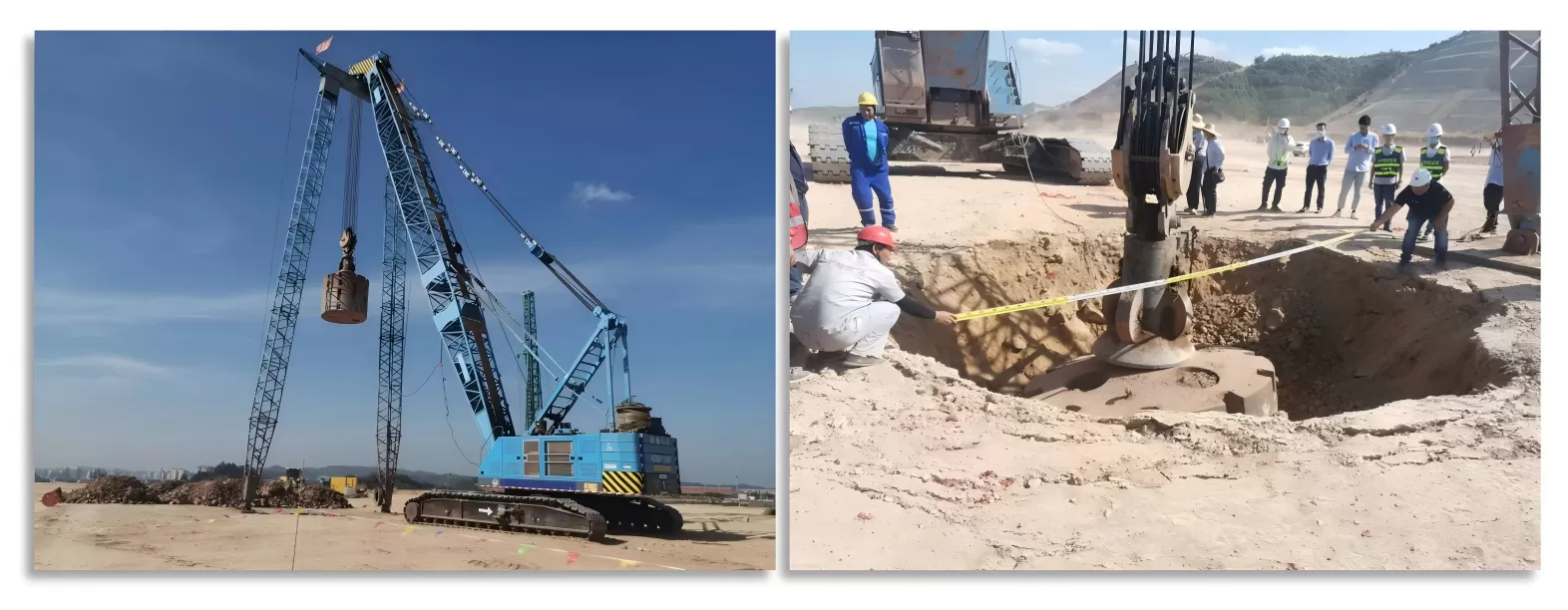
In response to the large variation in fill thickness and the different functional and loading requirements of the proposed buildings, the project adopted a zoned, layered and classified ground improvement approach. By combining different dynamic compaction energy levels, dynamic replacement, rigid pile composite foundation and pile foundation solutions, the treatment scheme improved bearing performance and helped control post-construction settlement and differential settlement across the deep fill site.
In over-excavated and backfilled areas within the cut zones, 2000kN·m dynamic compaction was adopted. For areas with fill thickness below 6m, 4000kN·m dynamic compaction was used. For areas with fill thickness between 6m and 12m, 12000kN·m dynamic replacement was adopted. For areas with fill thickness between 12m and 18m, 18000kN·m dynamic replacement was adopted.
For the finished goods warehouse area where the fill thickness exceeded 18m, 20000kN·m dynamic replacement combined with a rigid pile composite foundation was adopted. For Dormitory Building 1, Dormitory Building 2, the canteen and the battery workshop where the fill thickness exceeded 18m, 20000kN·m dynamic compaction combined with pile foundations was used. For other buildings and structures with fill thickness exceeding 18m, 20000kN·m dynamic replacement was adopted.
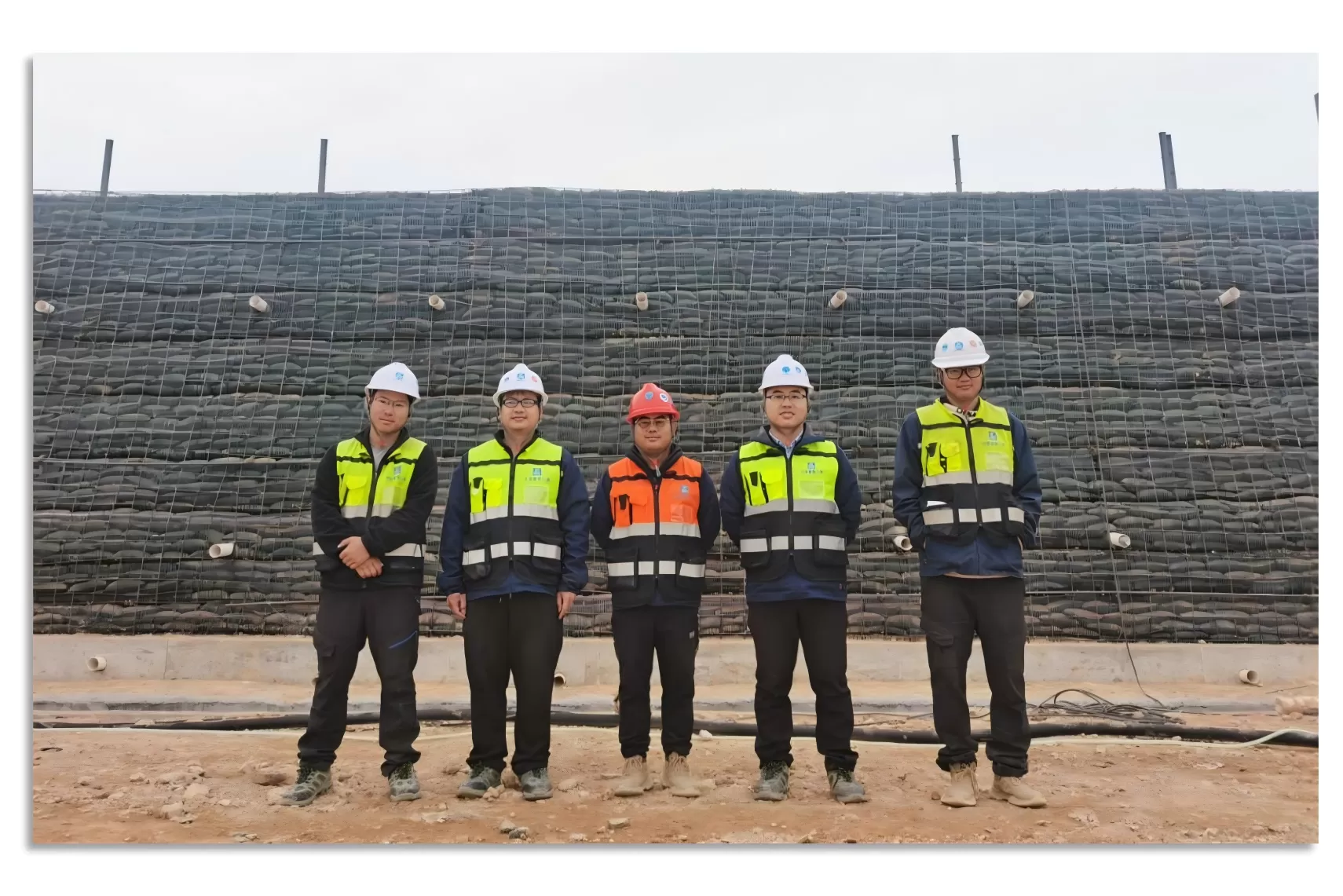
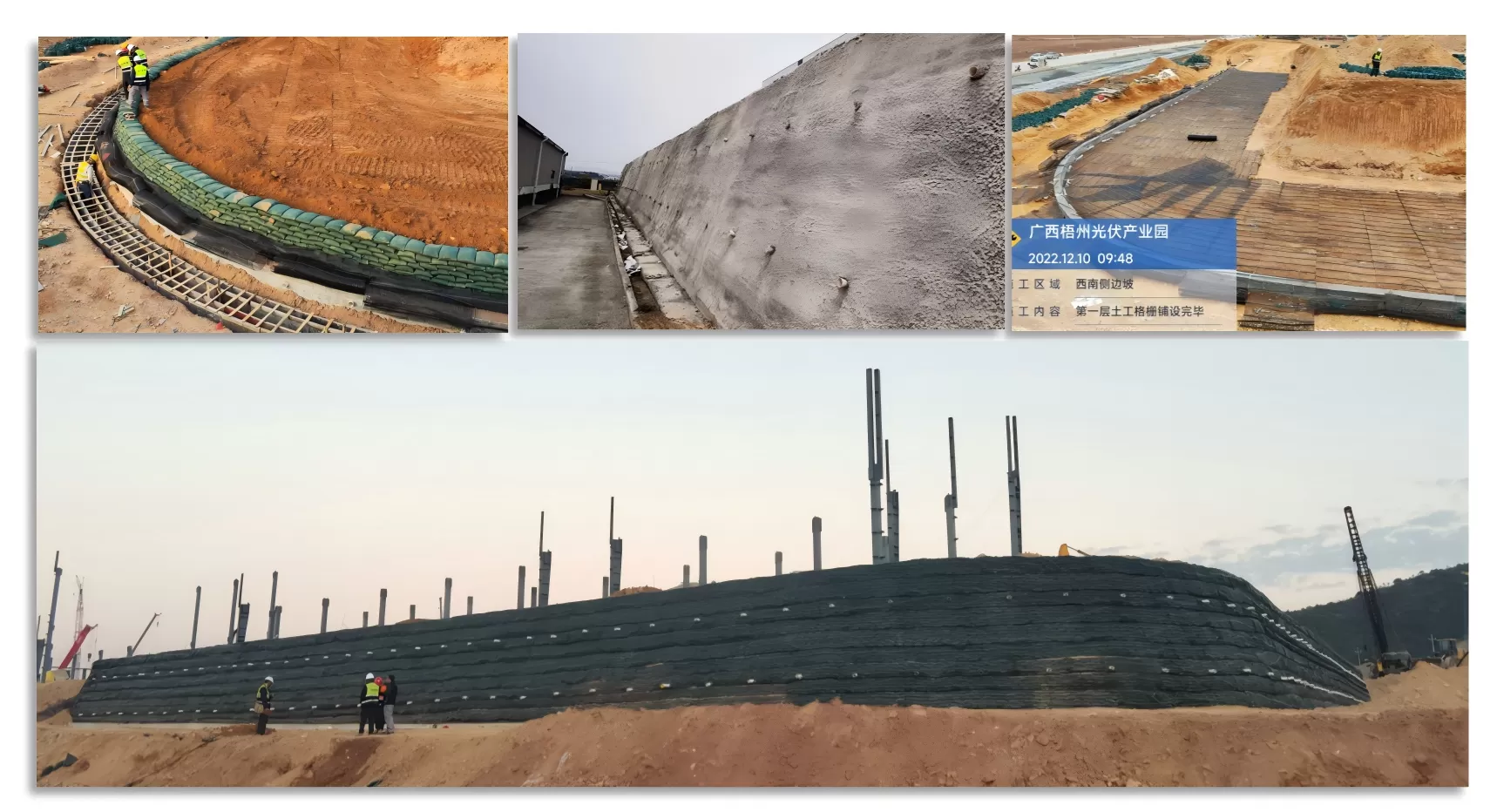
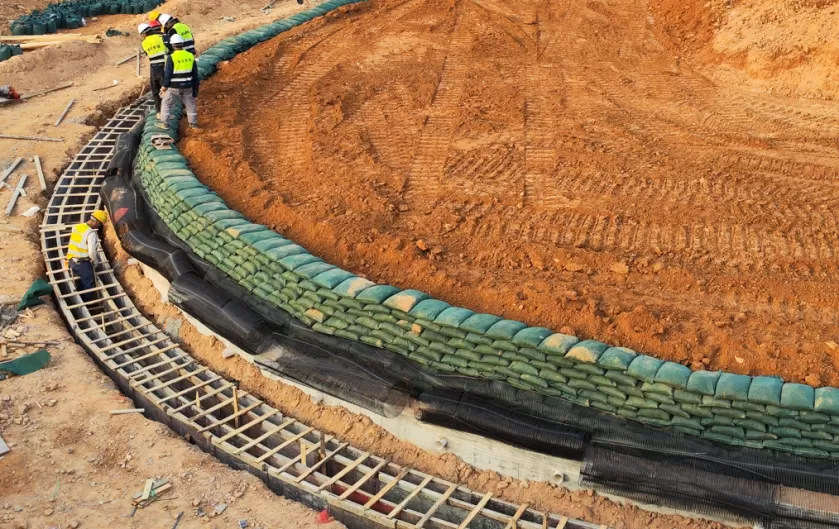
To address the elevation difference of approximately 5m to 6m between the battery workshop and the hazardous waste warehouse area, a reinforced soil retaining wall was designed. The retaining wall was classified as Safety Grade III, with a length of approximately 166m and a maximum height of about 6m. Considering wall height, surrounding environment, building loads and ground conditions, the retaining wall adopted a combined system of reinforced soil retaining wall, drainage system and slope surface protection system. The stability of the retaining wall was analysed using REssa software to ensure the overall stability and service safety of the permanent fill retaining structure.


-
SolutionsGround Improvement Systems
-
MarketsEnergy & Petrochemical
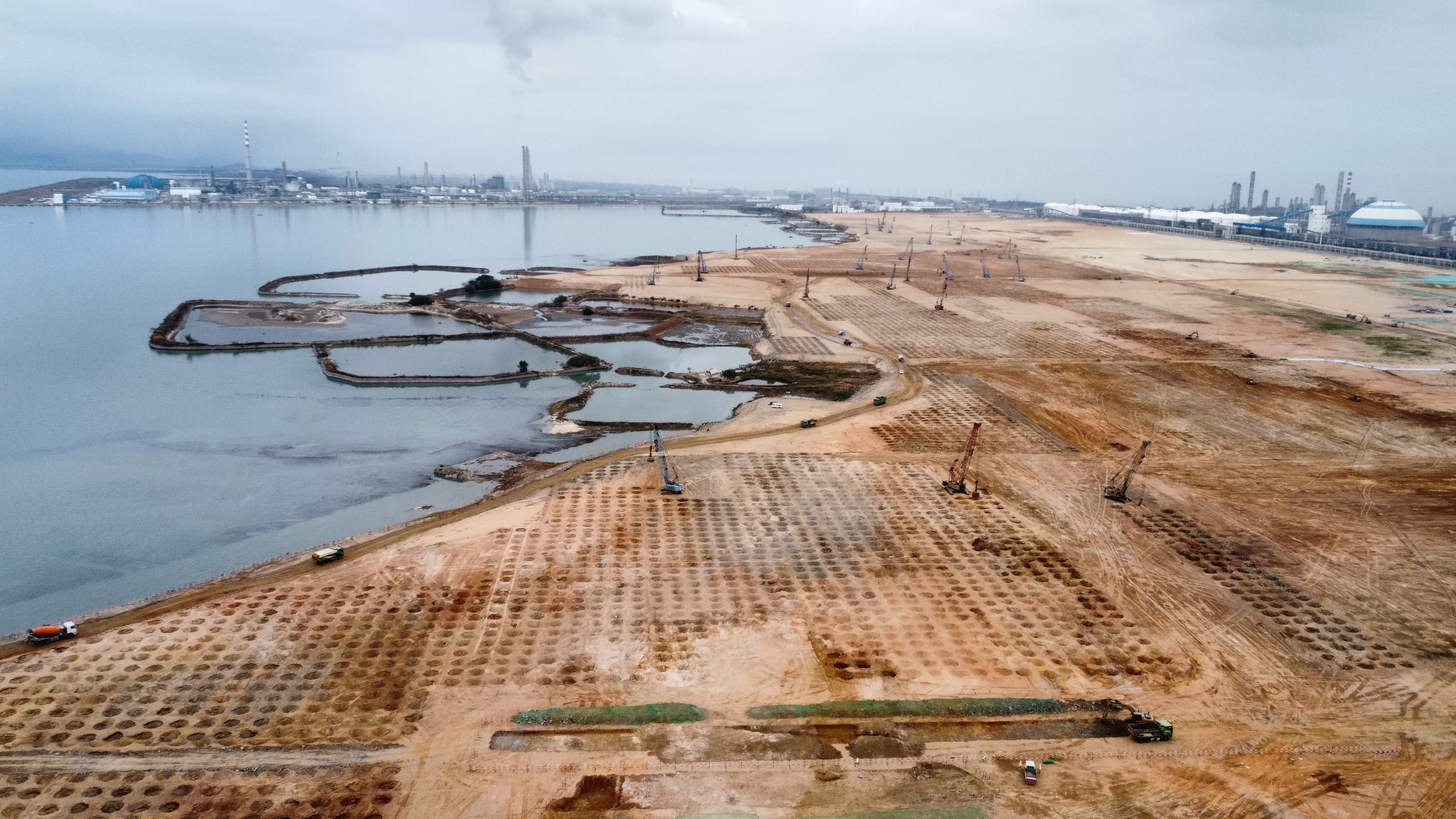
Sino-Saudi Gulei Petrochemical Dynamic Compaction Project
 Gulei Petrochemical Industrial Park, Zhangzhou, Fujian Province, China
-
SolutionsGround Improvement Systems
-
MarketsEnergy & Petrochemical
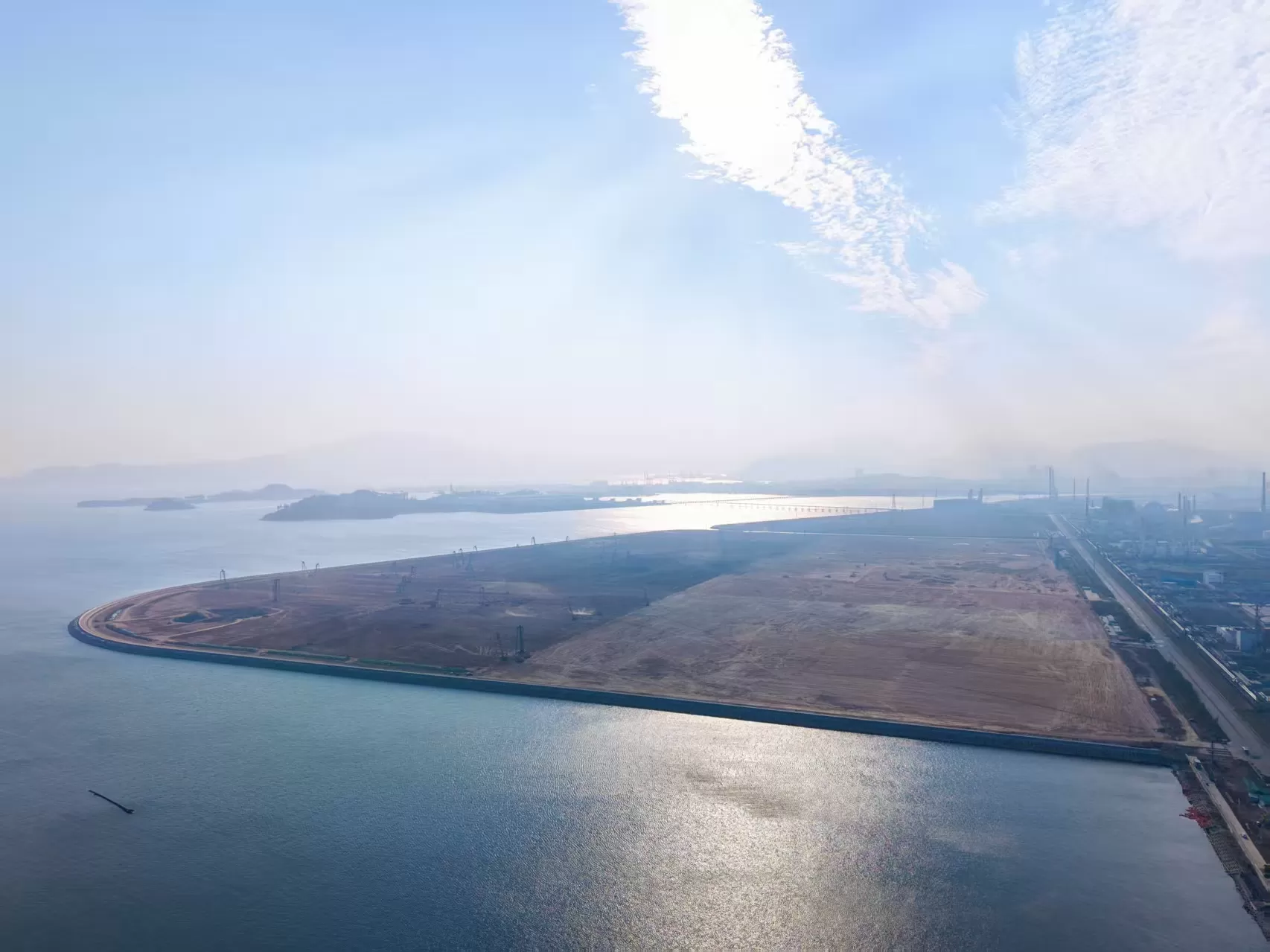
CNOOC Shell Huizhou Phase III Ethylene Dynamic Compaction Project
Daya Bay Petrochemical Zone, Huizhou, Guangdong Province, China
-
SolutionsGround Improvement Systems
-
MarketsIndustrial & Manufacturing
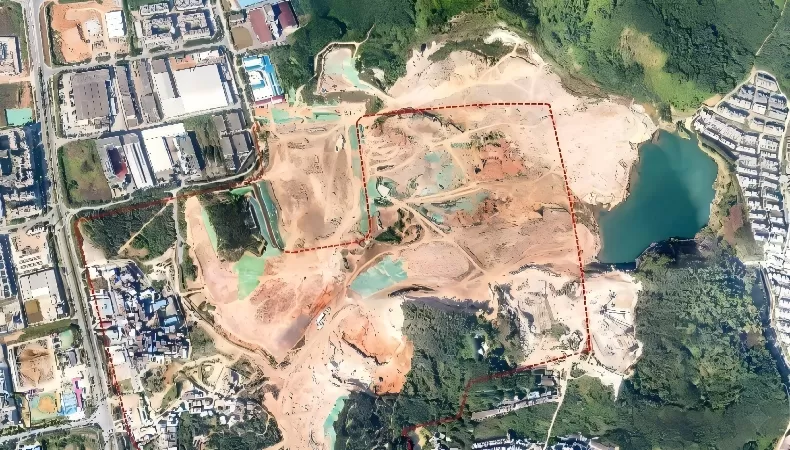
TCL CSOT t9 Display Panel Dynamic Compaction Project
Huangpu District, Guangzhou, Guangdong Province, China
-
SolutionsGround Improvement Systems
-
MarketsIndustrial & Manufacturing
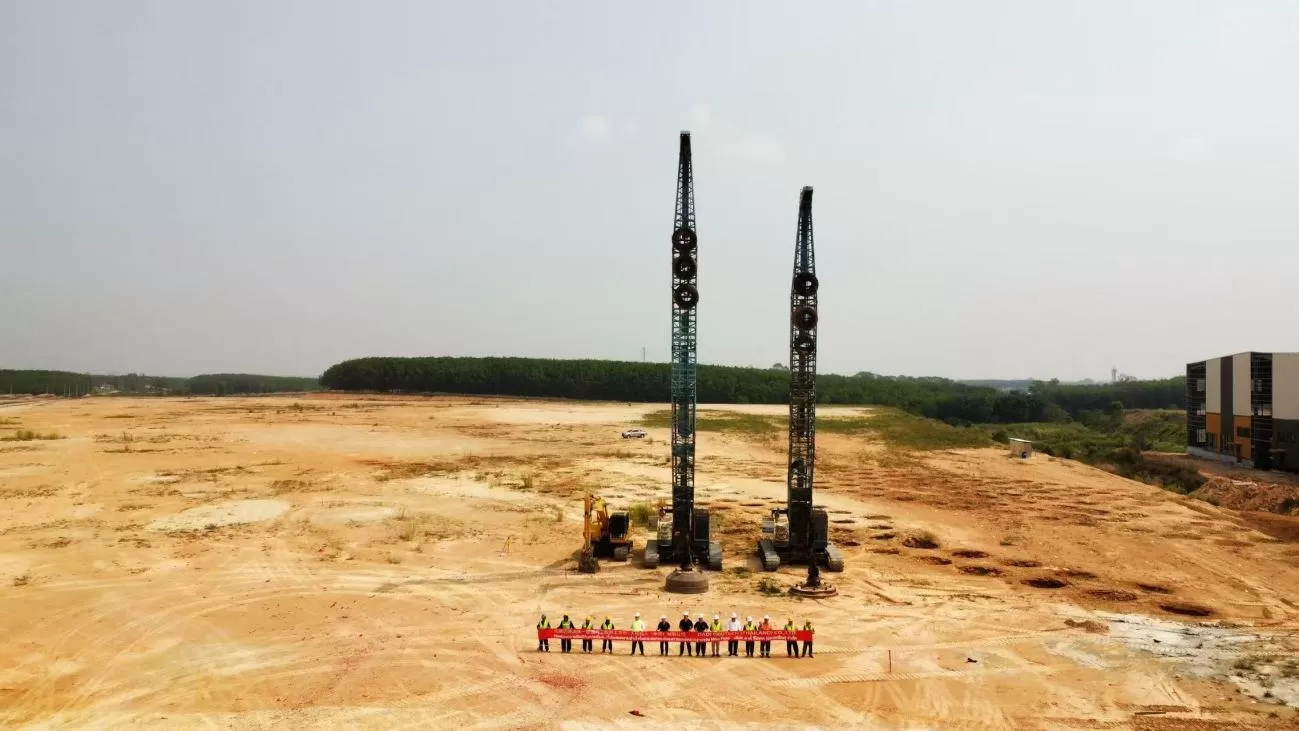
Mike Fluid New Factory Ground Improvement and Slope Support Project
Pinthong Industrial Estate 6, Chonburi Province, Thailand
-
SolutionsGround Improvement Systems
-
MarketsRenewable Energy & Advanced Materials
Wuzhou High-Tech Zone Photovoltaic Industrial Park Ground Improvement Project
Wuzhou, Guangxi Zhuang Autonomous Region, China