
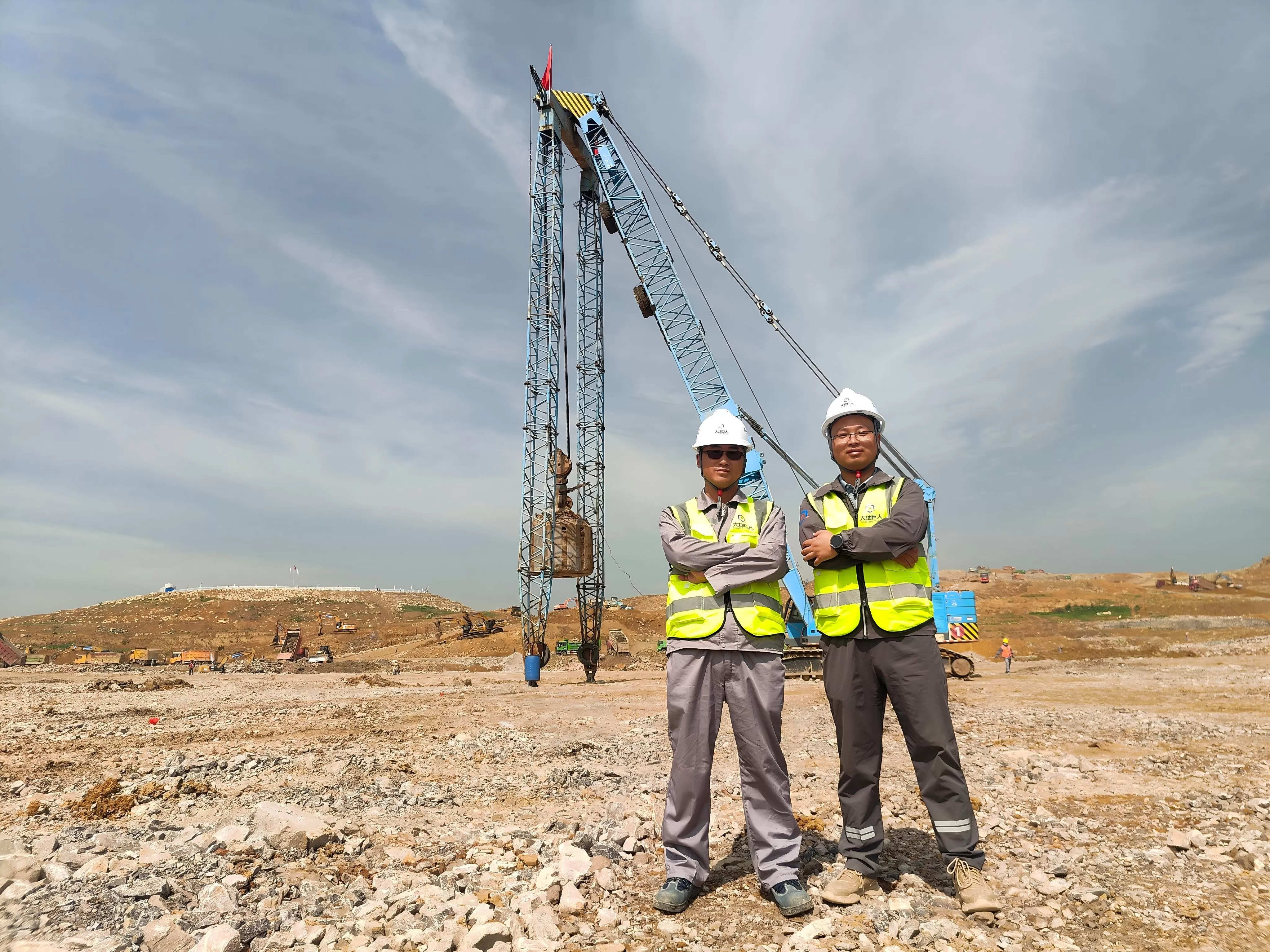
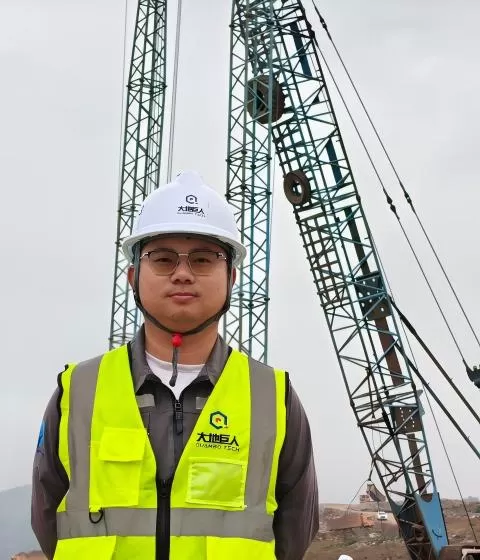
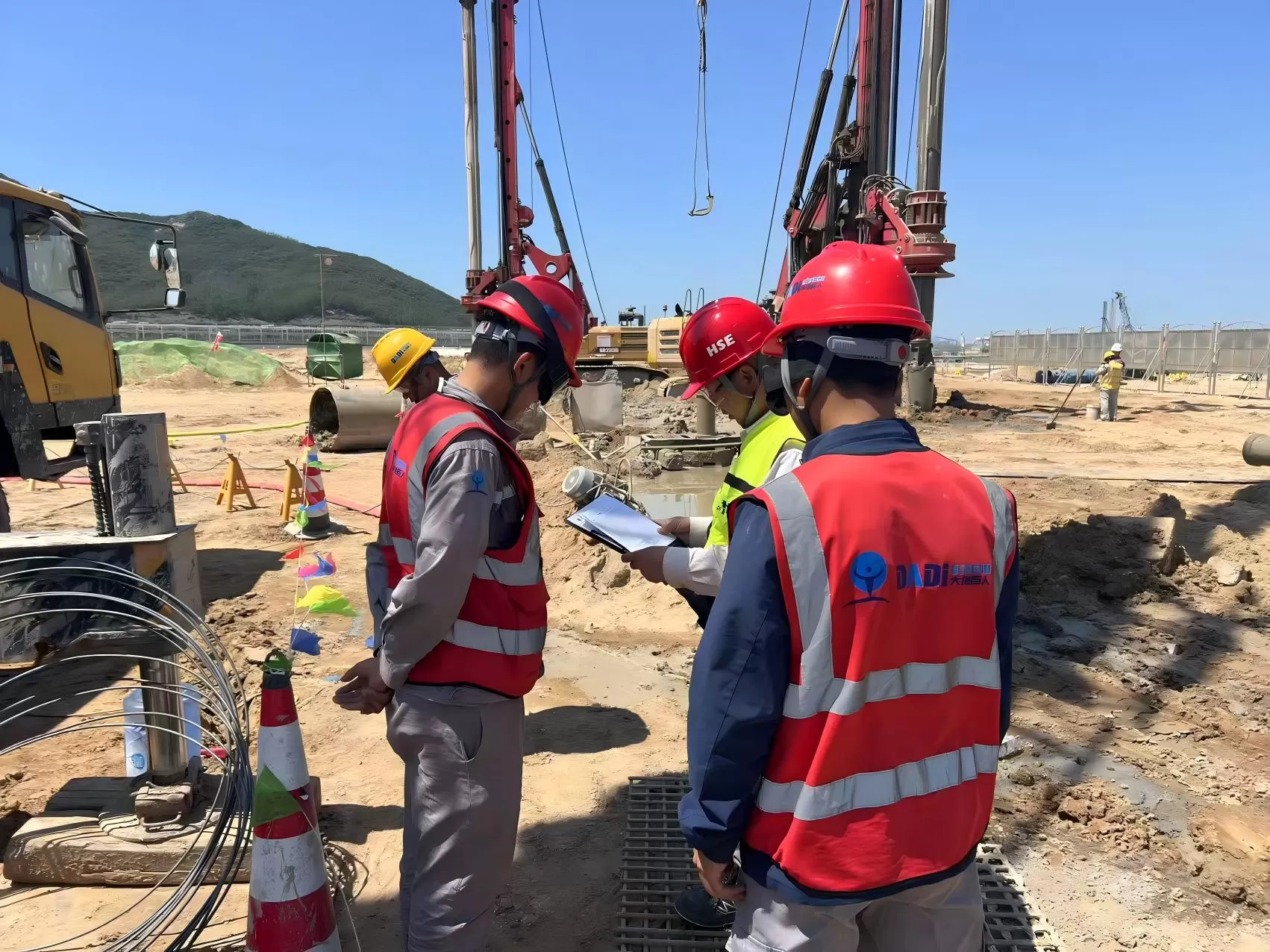
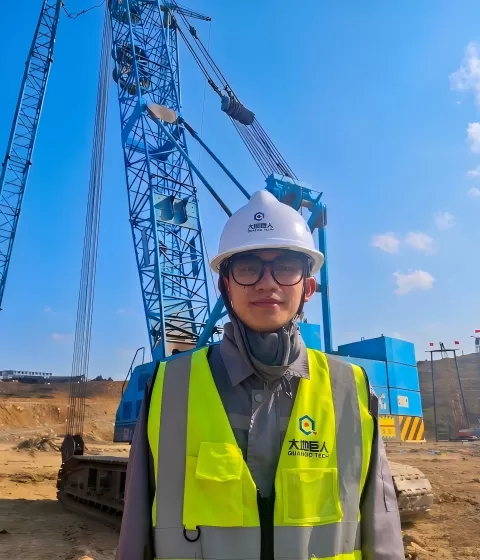





The project is located in Pinthong Industrial Estate 6, Chonburi Province, Thailand, with a total site area of approximately 84,765 square metres. Phase I mainly includes Workshop 1, Workshop 3 and other production and supporting buildings. Site levelling had already been completed.
According to the geotechnical investigation, except for the upper approximately 1 metre of medium-dense silty sand, the filled area mainly consists of very loose to medium-dense clayey sand down to the original ground surface. Dynamic compaction was adopted as a pre-treatment method to improve the bearing capacity and overall stability of the fill layer.
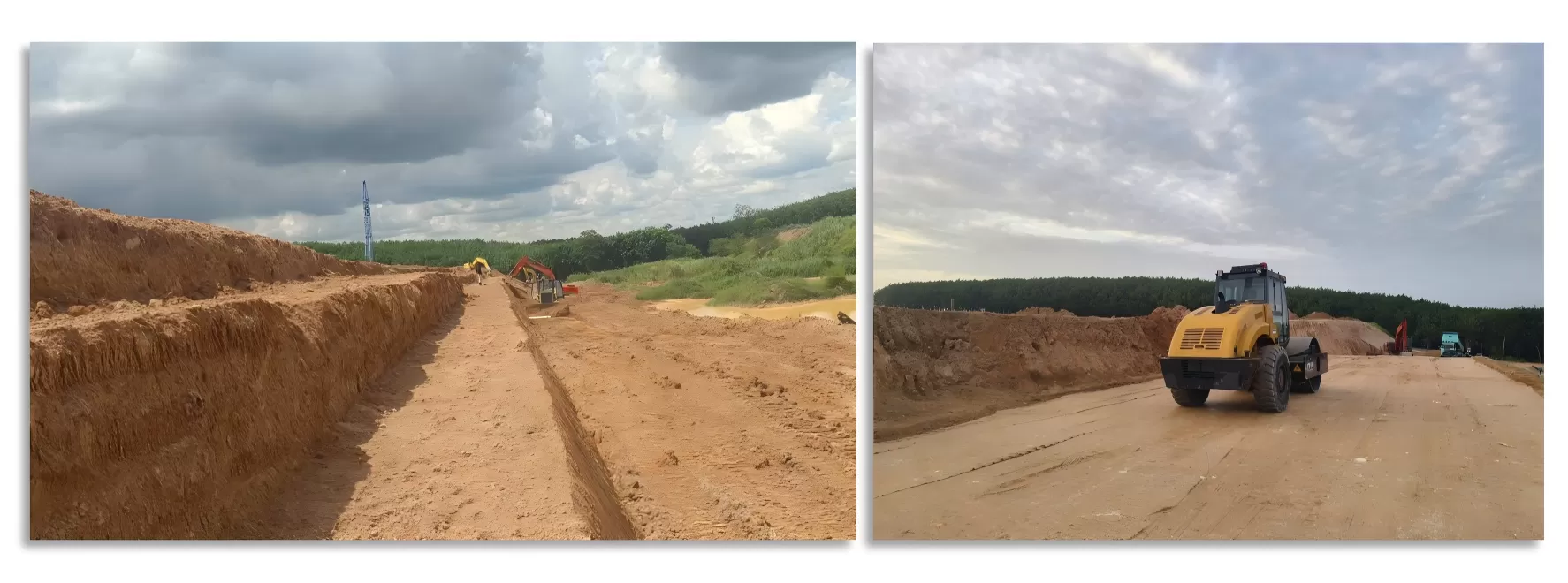
After site levelling, fill slopes with a height of up to 12 metres were formed on the eastern and northern sides of the site. These slopes are permanent slopes. Based on site measurements, the fill slopes had largely been formed, with an overall slope ratio of approximately 1:1.5.
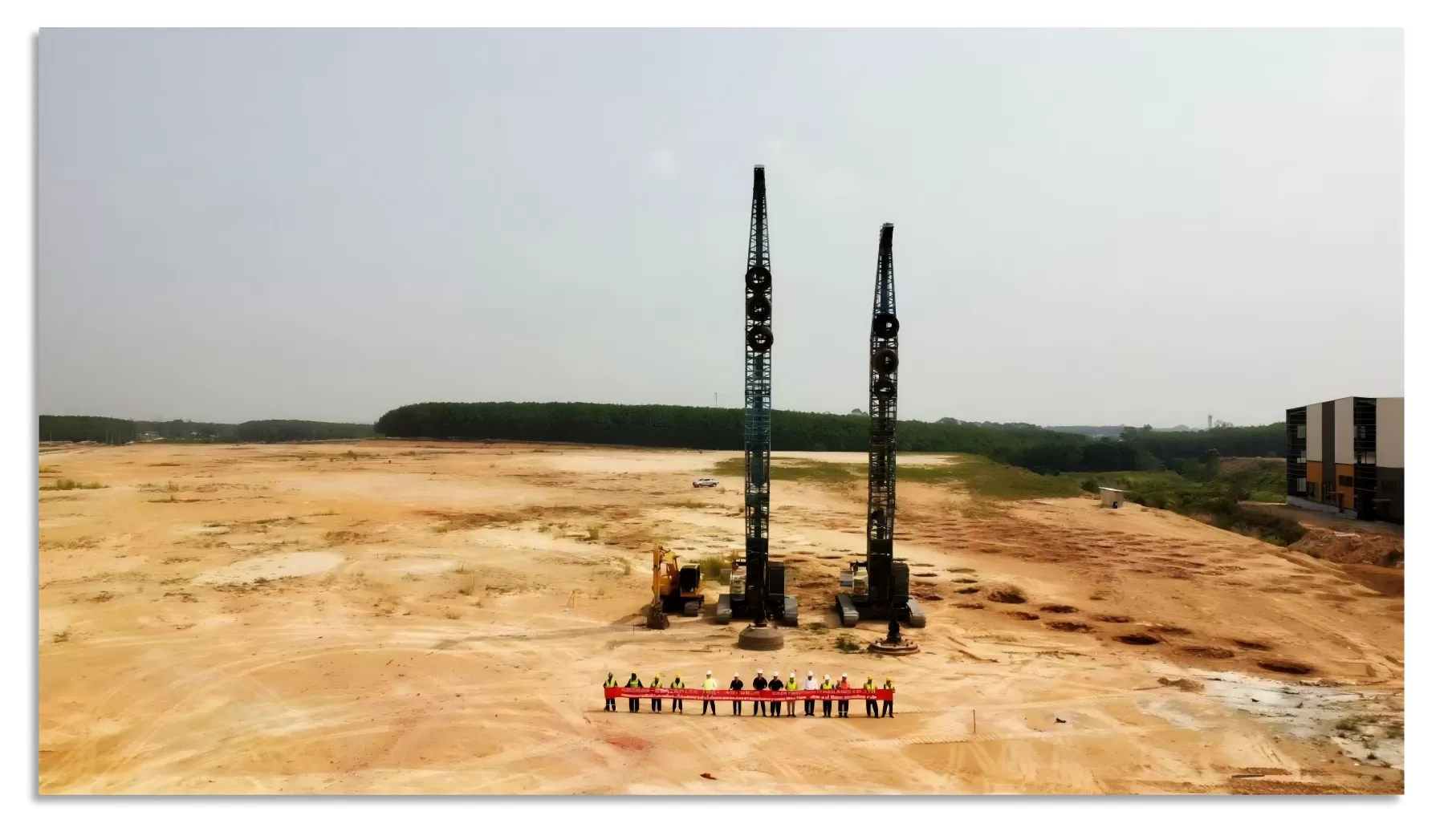
The fill material at the site had not been systematically treated and was generally loose, with relatively poor engineering properties. If used directly as the foundation for subsequent factory buildings and supporting facilities, it could affect bearing performance, deformation control and long-term stability.
At the same time, relatively high fill slopes had been formed on the eastern and northern sides of the site. Due to the loose condition of the fill, the slopes were susceptible to instability under external forces, rainfall infiltration and surface water erosion. The eastern side of the slope is adjacent to a drainage channel, which could become a surface runoff path after rainfall and further intensify erosion and local damage.
The fill slopes had been in place for more than two years. Although no serious failure such as collapse had occurred, multiple erosion gullies had already formed on parts of the slope surface due to rainfall. Therefore, the project required not only dynamic compaction for ground improvement, but also slope support, drainage and surface protection works for the fill slopes.
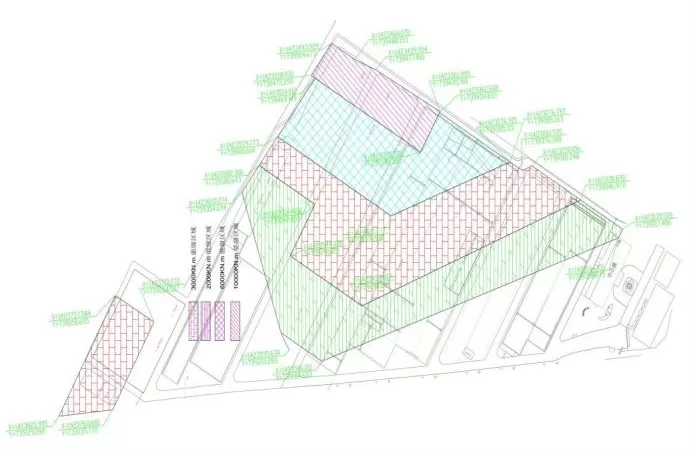
Dynamic compaction was adopted as the ground pre-treatment method for the filled area. The compaction energy levels included 10000kN·m, 6000kN·m, 3000kN·m and 2000kN·m. Based on site conditions and design requirements, the site was preliminarily divided into four construction zones.
For construction sequencing, two dynamic compaction machines first carried out works in the 2000kN·m and 3000kN·m zones, while another two machines worked in the 6000kN·m and 10000kN·m zones. After completion of the 2000kN·m and 3000kN·m zones, the equipment was transferred to the 6000kN·m and 10000kN·m zones to continue the works, improving overall construction efficiency.
After dynamic compaction, the characteristic value of foundation bearing capacity, fak, was required to be not less than 150kPa. The bearing capacity of the improved ground was to be confirmed through on-site static load tests. Within the effective improvement depth, the average compression modulus was required to be not less than 15MPa.
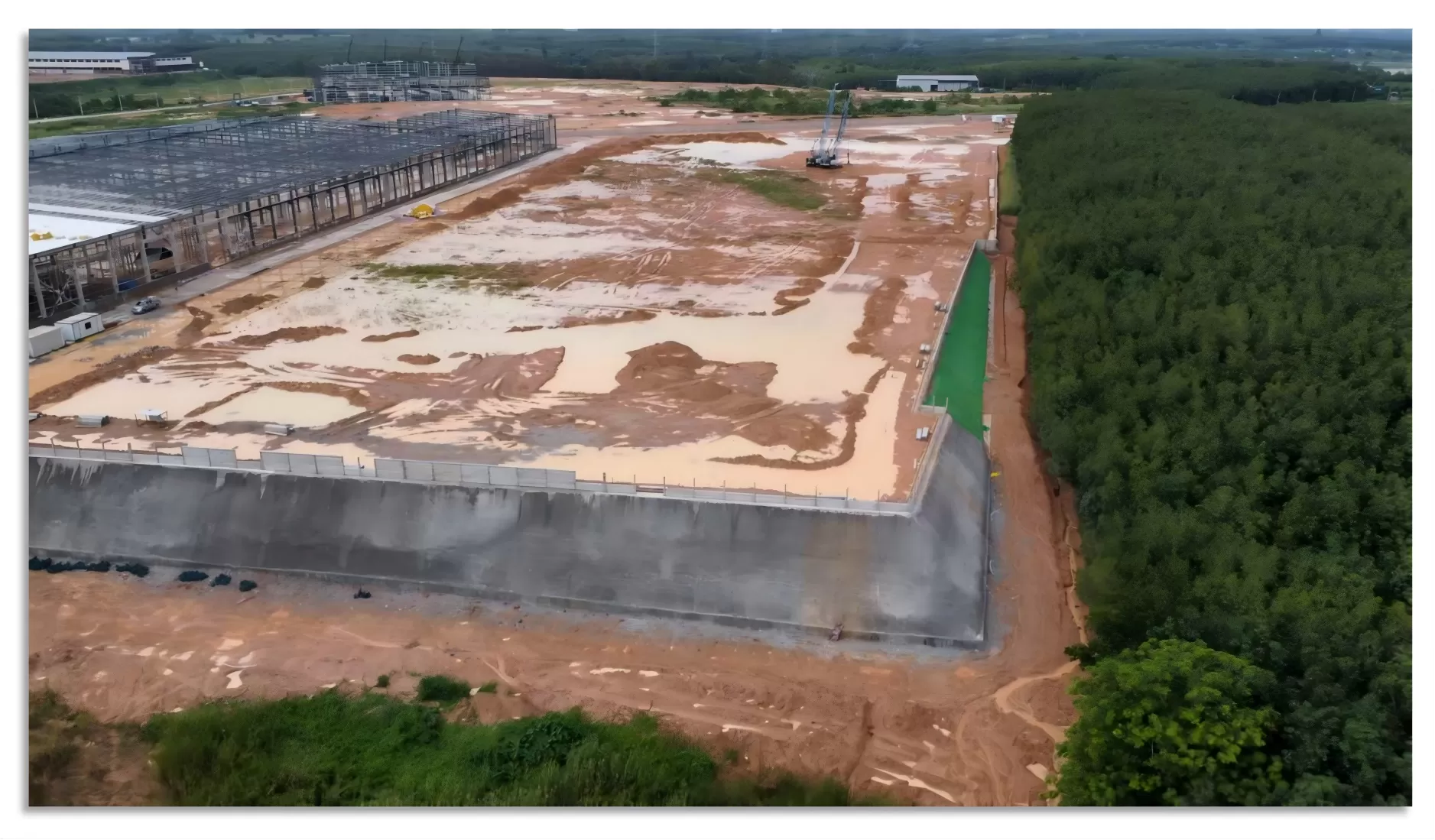
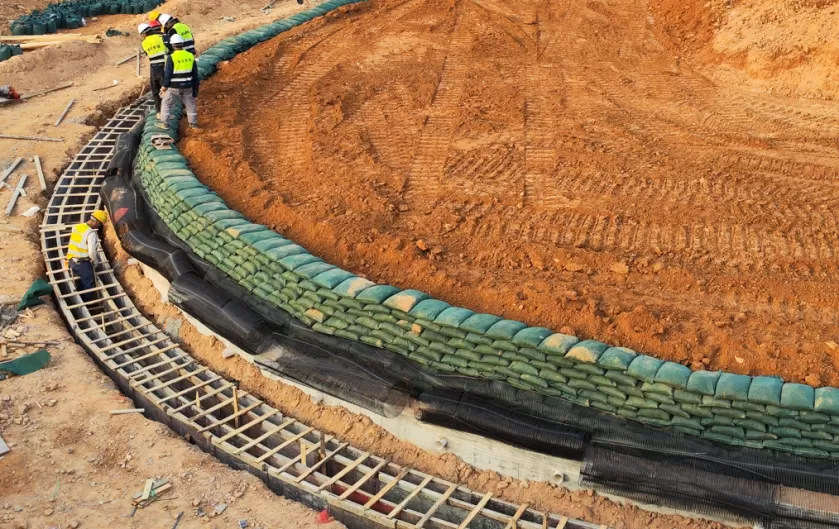
For the slope support works, the total slope support length was approximately 490 metres, with a maximum height difference of about 10 metres. Considering slope height, surrounding environment, building loads and ground conditions, a segmented treatment approach was adopted. The reinforced soil slope sections used a combined system of reinforced soil retaining wall, drainage system and slope surface protection system. The natural slope sections used a three-dimensional vegetation mat and greening system for surface protection.
Intercepting and drainage facilities were also installed at the slope crest to reduce surface water erosion and improve the overall stability and durability of the permanent fill slopes.
Understand related technologies >


-
SolutionsGround Improvement Systems
-
MarketsEnergy & Petrochemical
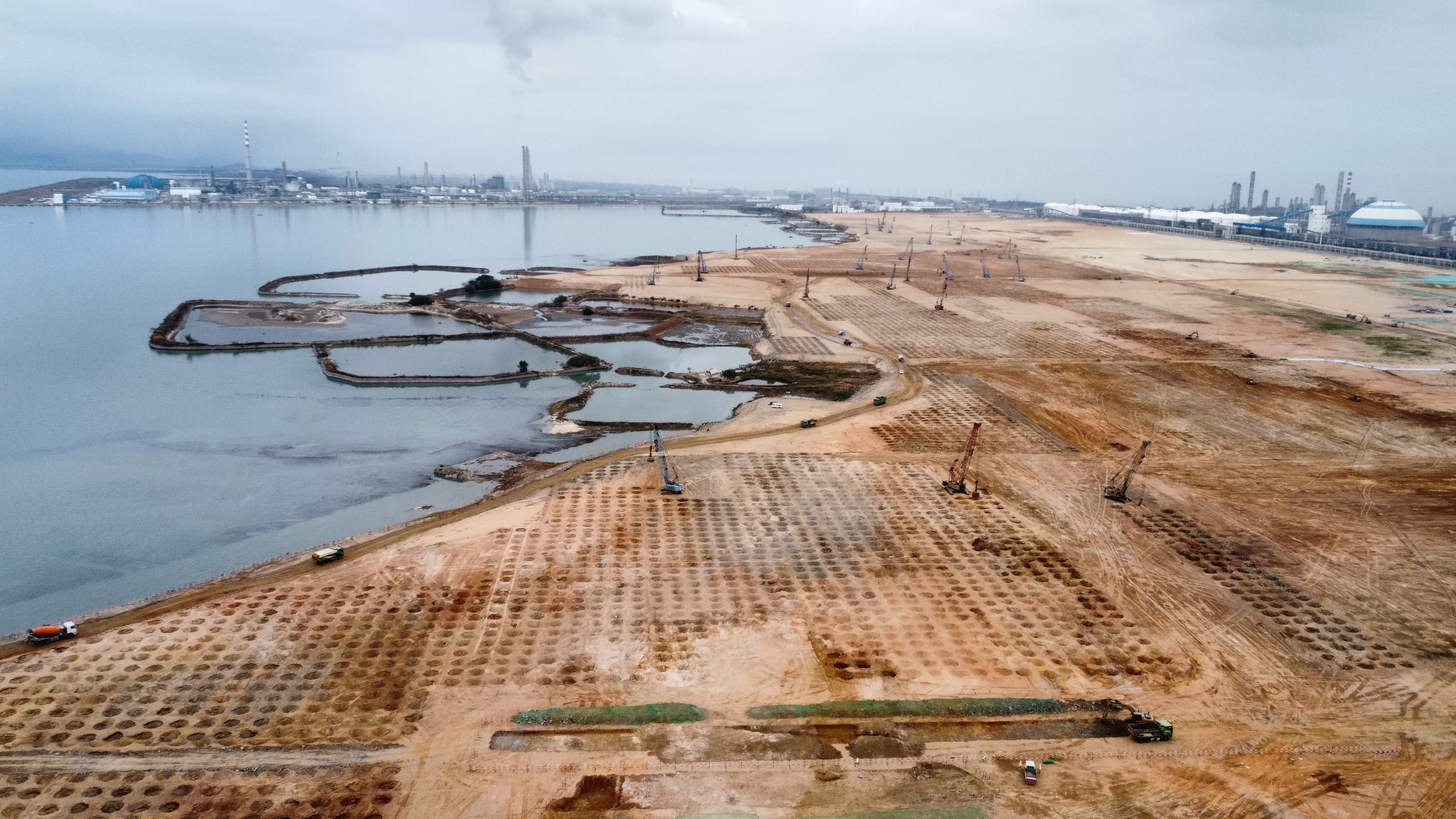
Sino-Saudi Gulei Petrochemical Dynamic Compaction Project
 Gulei Petrochemical Industrial Park, Zhangzhou, Fujian Province, China
-
SolutionsGround Improvement Systems
-
MarketsEnergy & Petrochemical
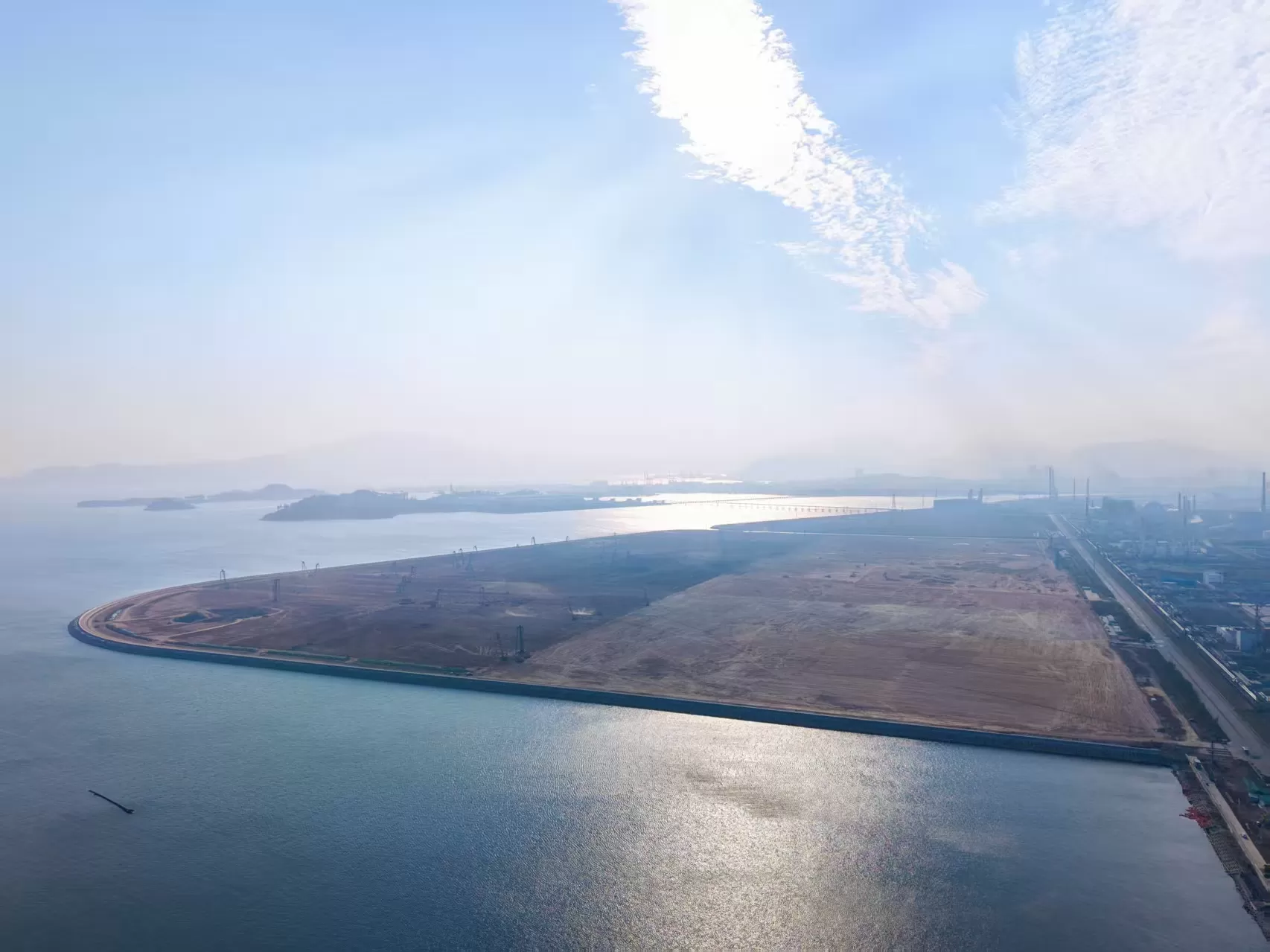
CNOOC Shell Huizhou Phase III Ethylene Dynamic Compaction Project
Daya Bay Petrochemical Zone, Huizhou, Guangdong Province, China
-
SolutionsGround Improvement Systems
-
MarketsIndustrial & Manufacturing
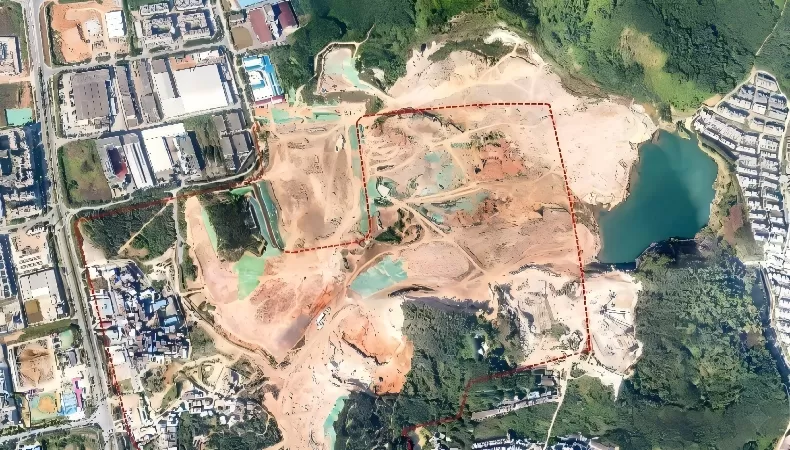
TCL CSOT t9 Display Panel Dynamic Compaction Project
Huangpu District, Guangzhou, Guangdong Province, China
-
SolutionsGround Improvement Systems
-
MarketsIndustrial & Manufacturing
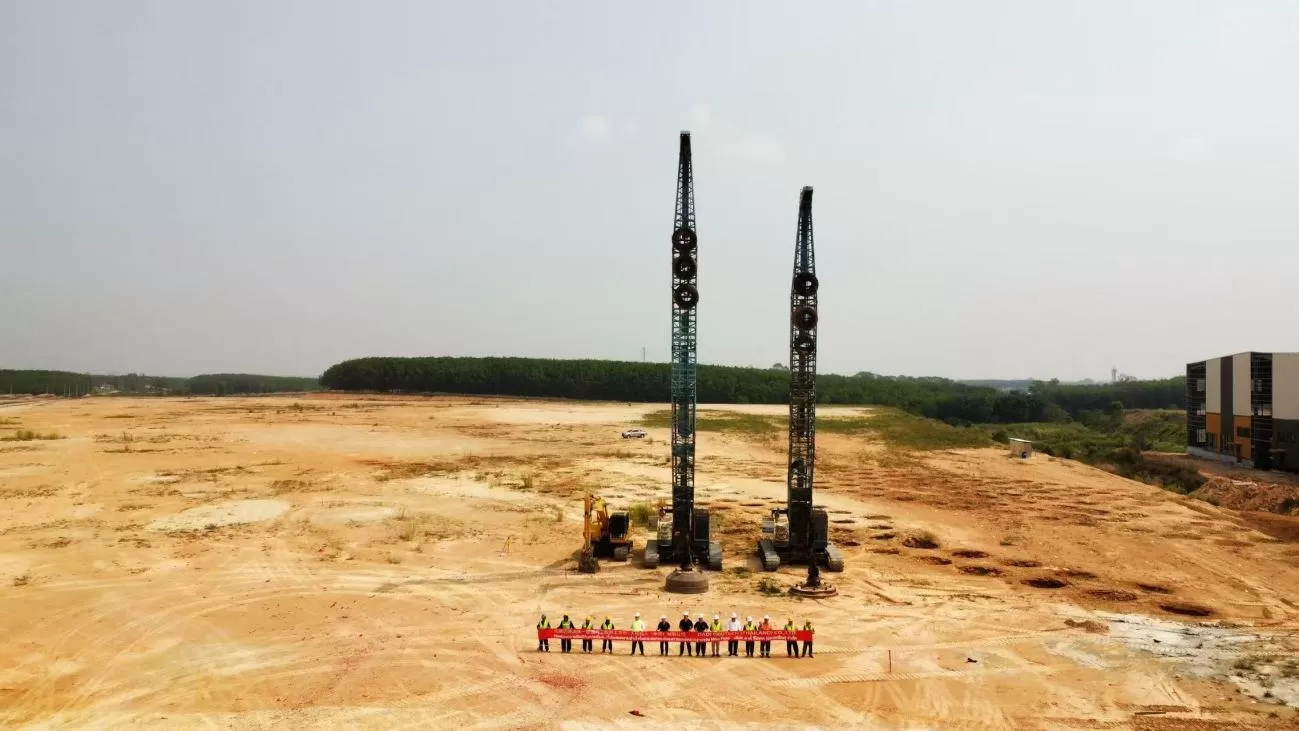
Mike Fluid New Factory Ground Improvement and Slope Support Project
Pinthong Industrial Estate 6, Chonburi Province, Thailand
-
SolutionsGround Improvement Systems
-
MarketsRenewable Energy & Advanced Materials
Wuzhou High-Tech Zone Photovoltaic Industrial Park Ground Improvement Project
Wuzhou, Guangxi Zhuang Autonomous Region, China