





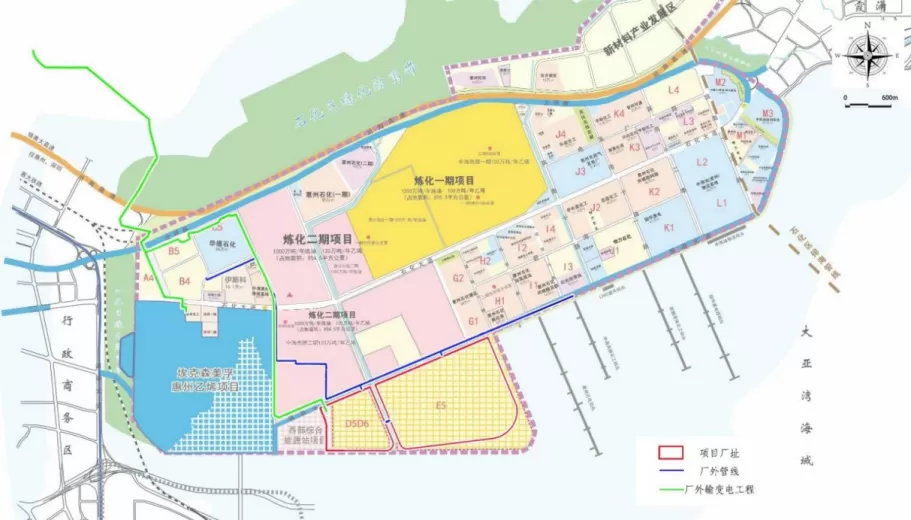
The project is located in the Daya Bay Petrochemical Zone, Huizhou, Guangdong Province. The site benefits from convenient transportation and well-developed supporting infrastructure. Binhai Avenue runs along the northern side of the site, with major transport routes such as Petrochemical Avenue, Beihuan Road, Huishen Coastal Expressway and Huida Expressway nearby. Huizhou Port is approximately 4.5 kilometres to the southwest.
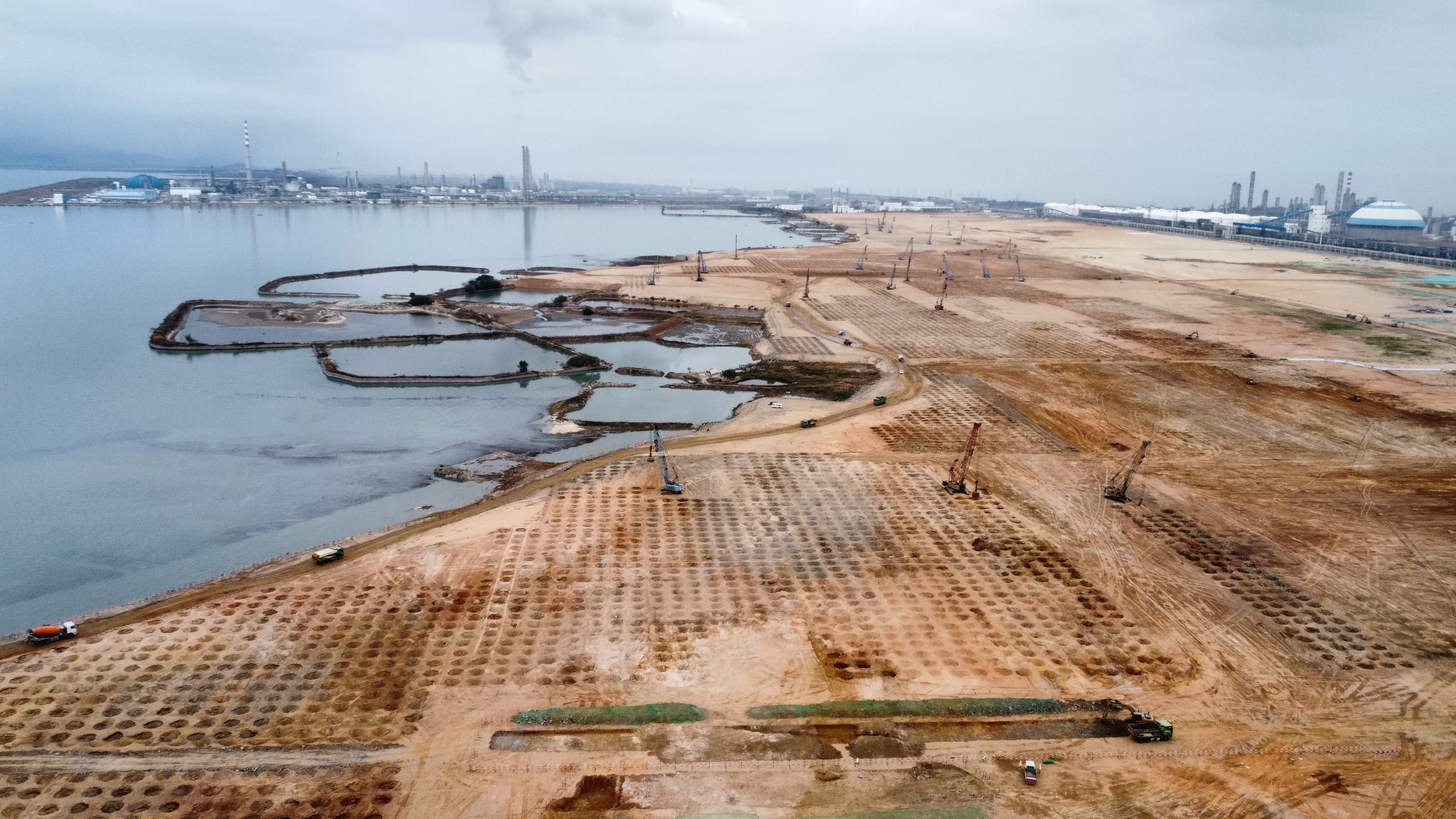
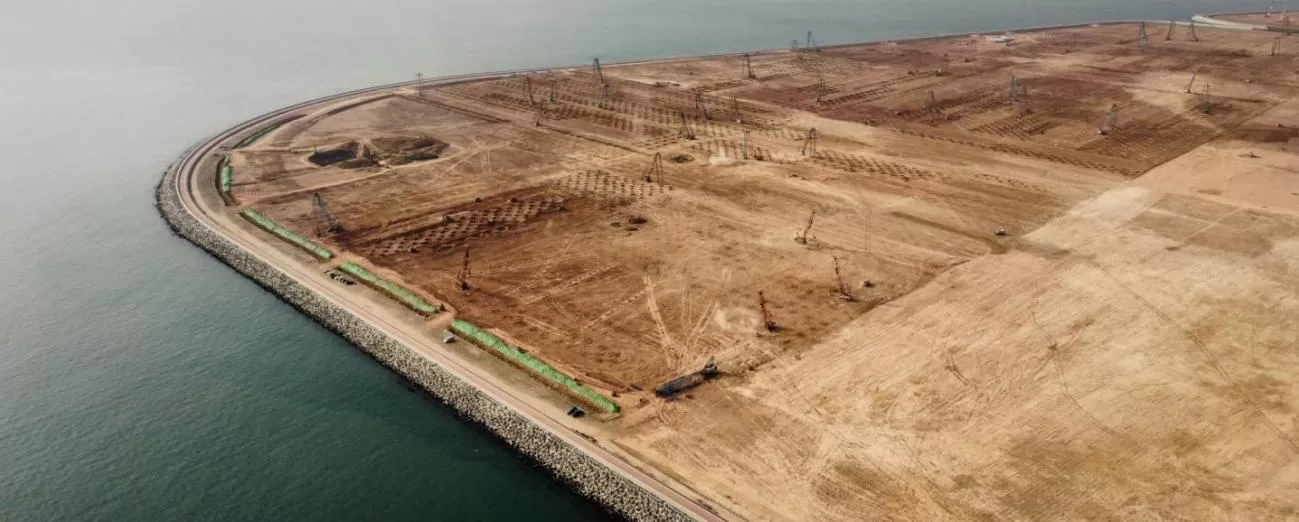
The proposed site was originally a marine depositional area and was later formed through land reclamation. Before handover, preliminary ground improvement had been carried out by the industrial park, mainly using a surcharge preloading and dynamic compaction scheme. The process included placing a sand blanket before reclamation, installing prefabricated vertical drains, backfilling with excavated rockfill, and applying dynamic compaction to improve the reclaimed ground.
The treatment area mainly covered the wastewater treatment plant and surrounding areas within Plot D5D6. As the wastewater treatment plant includes tanks, water treatment structures and other facilities, the foundation was required to meet higher standards for bearing capacity, settlement control and overall stability. Further targeted ground improvement was therefore required in key areas on the basis of the preliminary site-wide treatment.
According to the geotechnical investigation and site survey, the wastewater treatment plant and surrounding areas within Plot D5D6 had shallow fill layers and relatively thick mud and muddy soil layers. The foundation soils mainly consisted of fill, mud and muddy soil, gravel layers and underlying bedrock, with significant variation in layer thicknesses and complex ground conditions.
During the earlier site formation stage, from November 2023 to February 2024, the area had been initially treated using combined vacuum surcharge preloading. Although the preliminary treatment improved the overall site conditions, the tanks, water treatment structures and other deformation-sensitive facilities within the wastewater treatment plant required further improvement beyond the initial site-wide treatment.
Wastewater treatment facilities are generally sensitive to differential settlement. If the foundation is not sufficiently improved, the long-term performance of tanks, water treatment structures and related facilities may be affected. The project therefore required additional targeted treatment to improve bearing capacity, overall stiffness and settlement control in key areas.
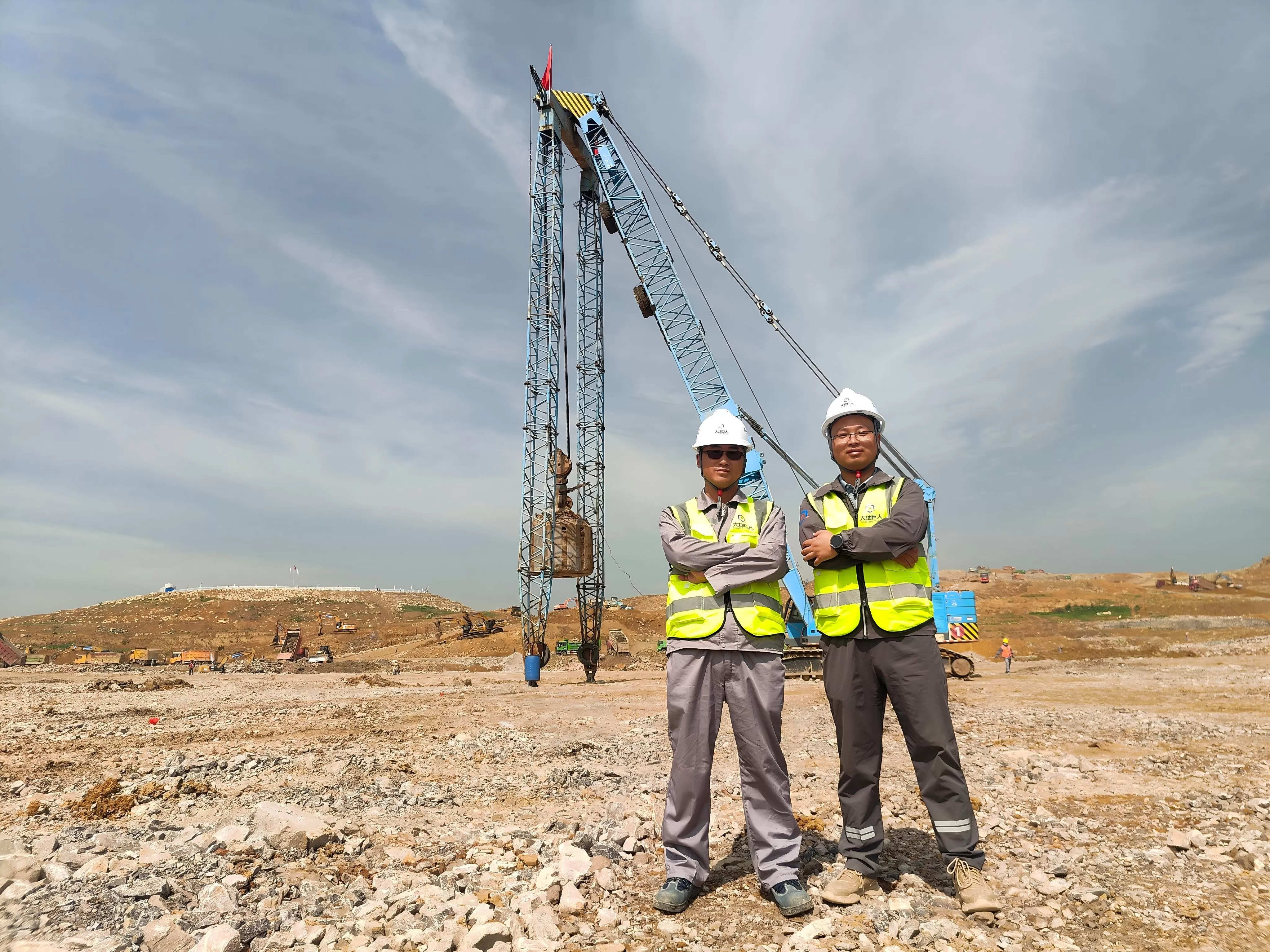
Taking into account the project’s hydrogeological conditions, site formation process and the preliminary site-wide treatment already completed by the general design institute, a targeted ground improvement solution was adopted for selected tank and water treatment structure areas within the wastewater treatment plant. The solution combined enhanced dynamic compaction with a rigid pile composite foundation.
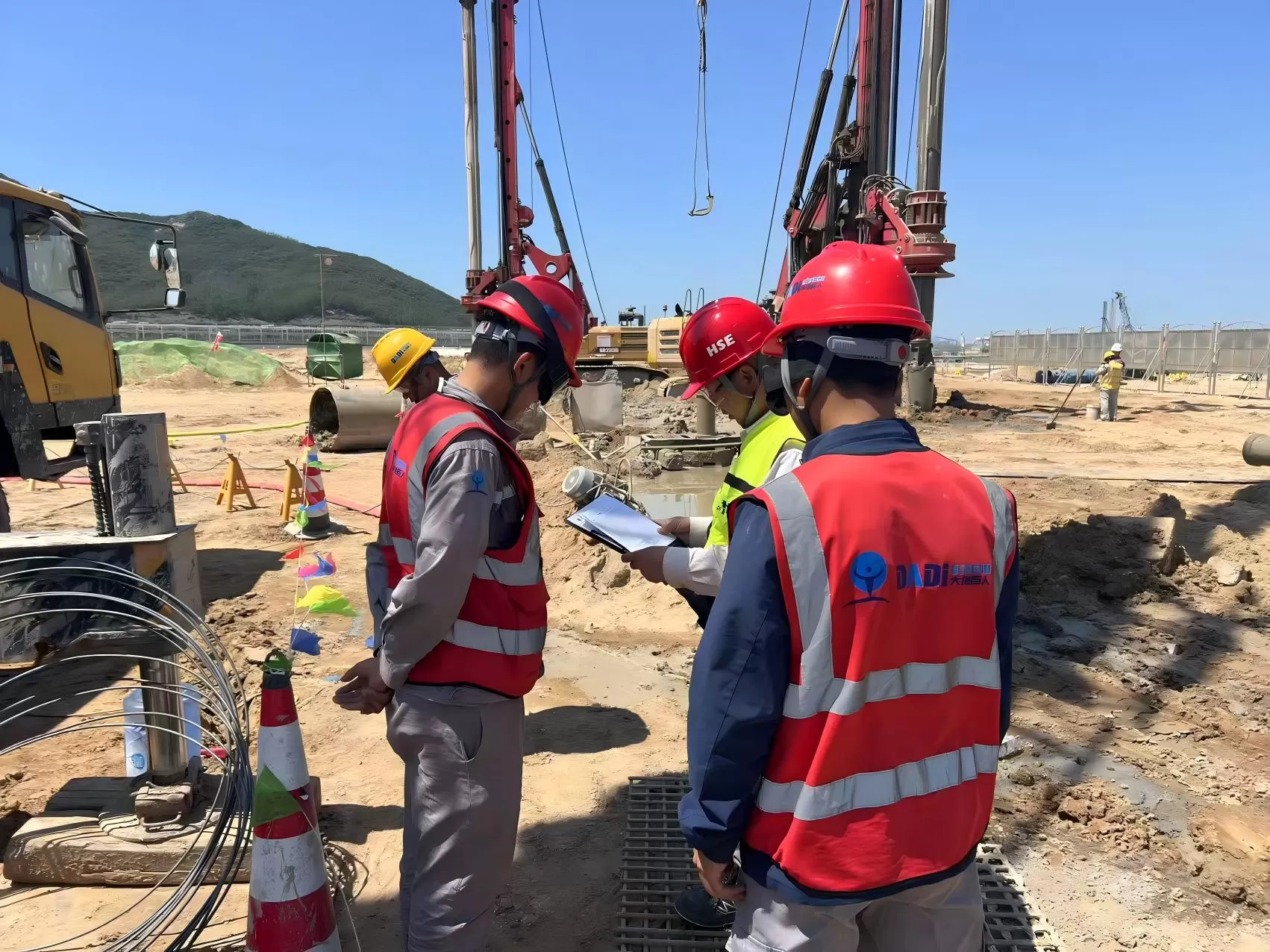
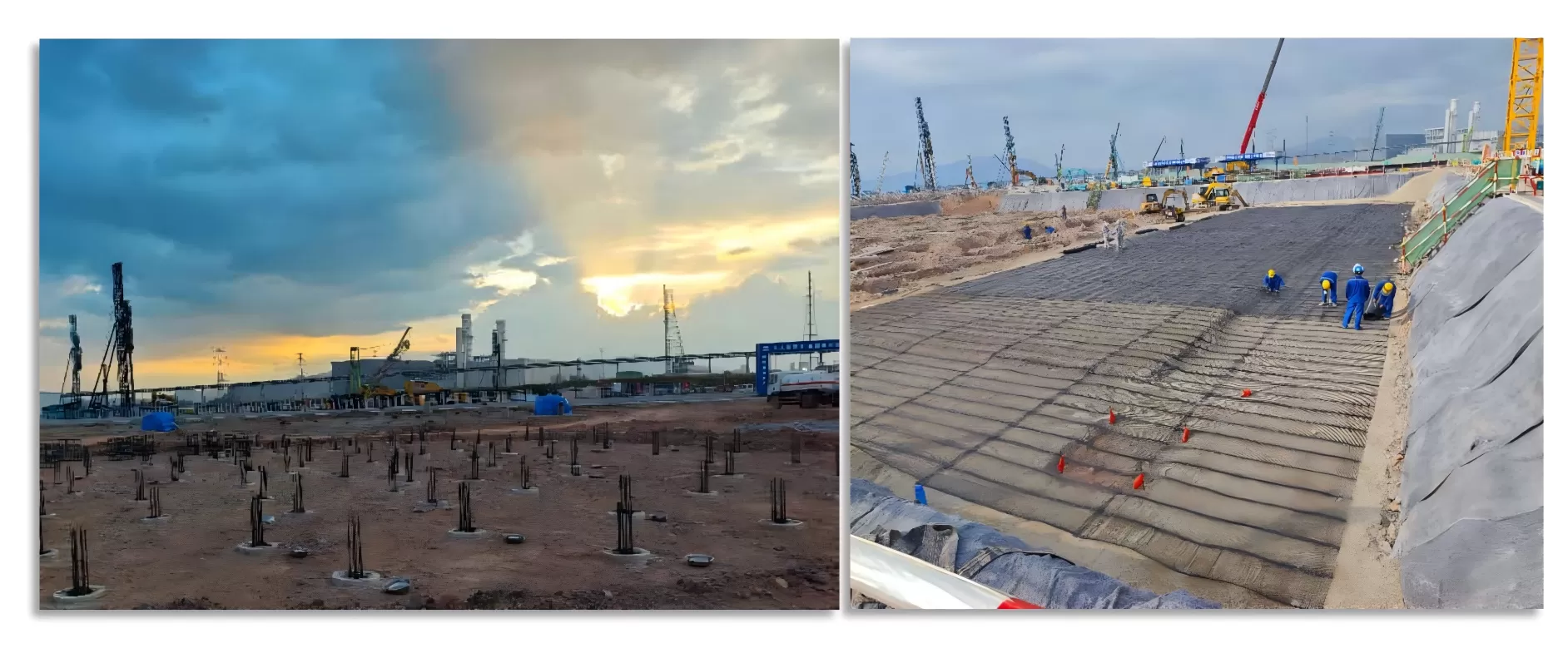
The construction sequence included ground levelling, enhanced dynamic compaction, rigid pile installation, excavation and levelling to the design elevation, bearing plate construction, and installation of a reinforced mattress layer. Enhanced dynamic compaction was used to further improve the shallow fill and soft soil, increasing ground density and overall stability. The rigid pile composite foundation was used to enhance bearing capacity and deformation control in key structural areas.
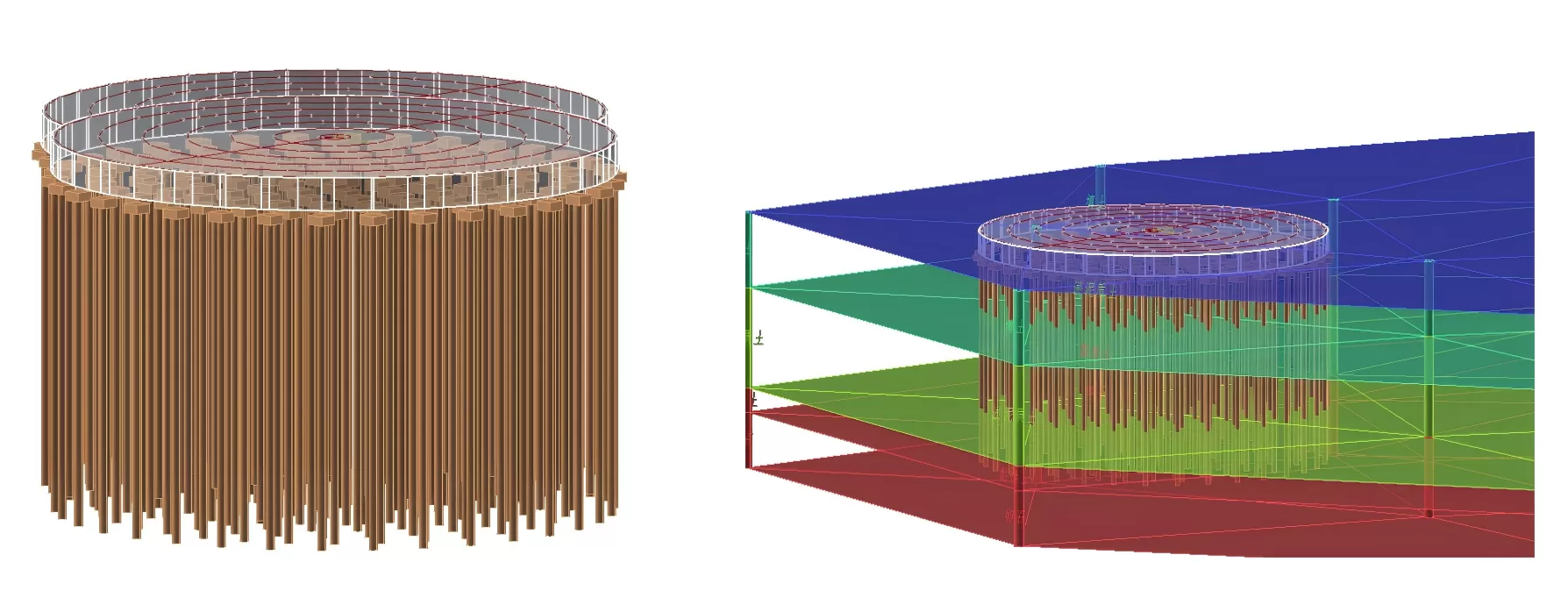
After treatment, the bearing plate and reinforced mattress layer helped coordinate load transfer between the superstructure and the improved foundation, improving the overall performance of the composite foundation system. The solution took into account the existing preliminary treatment, the loading requirements of key structures and the need for settlement control, providing reliable foundation conditions for the subsequent construction of the wastewater treatment plant.
Understand related technologies >


-
SolutionsGround Improvement Systems
-
MarketsEnergy & Petrochemical
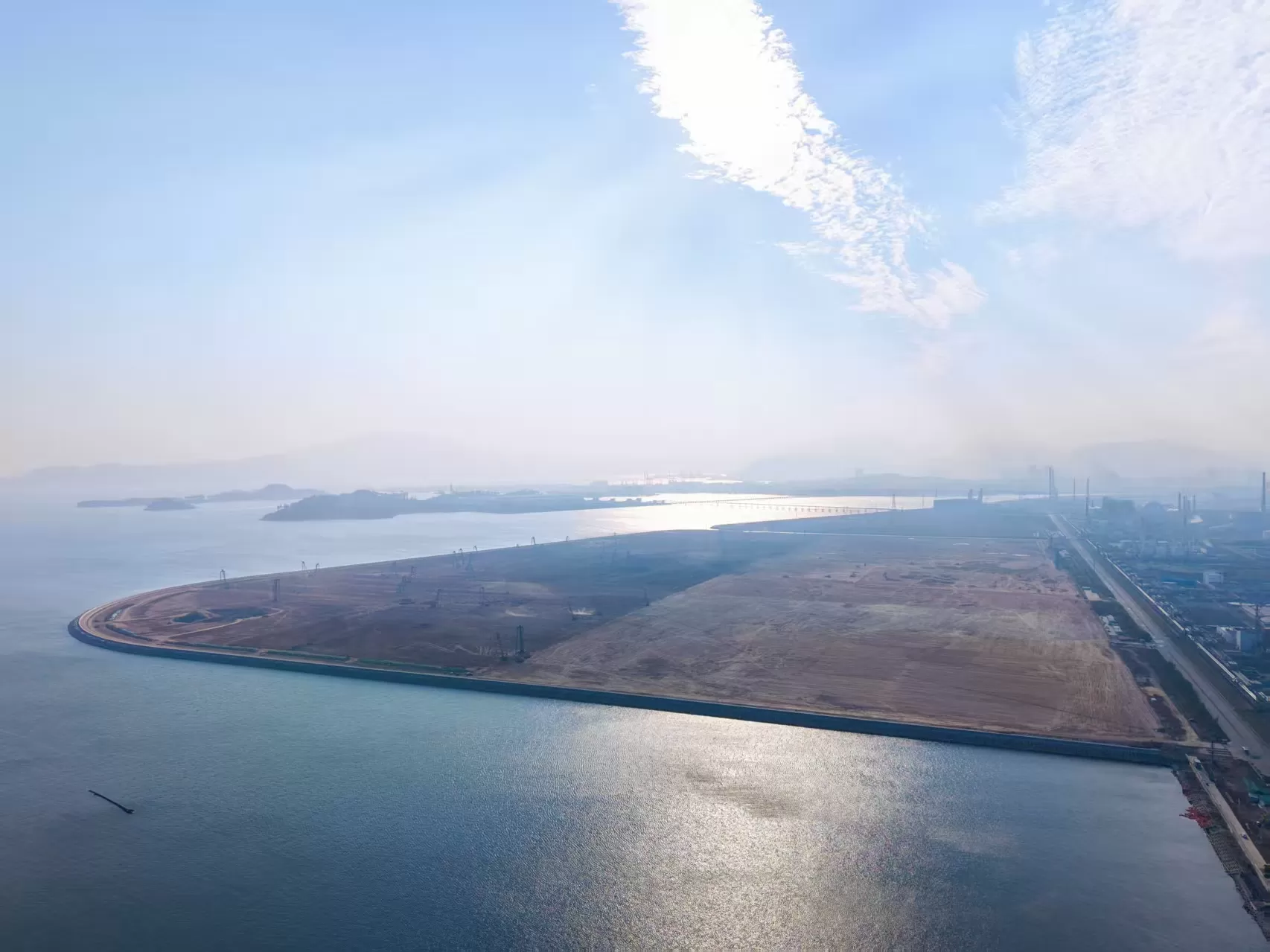
Sino-Saudi Gulei Petrochemical Dynamic Compaction Project
 Gulei Petrochemical Industrial Park, Zhangzhou, Fujian Province, China
-
SolutionsGround Improvement Systems
-
MarketsEnergy & Petrochemical
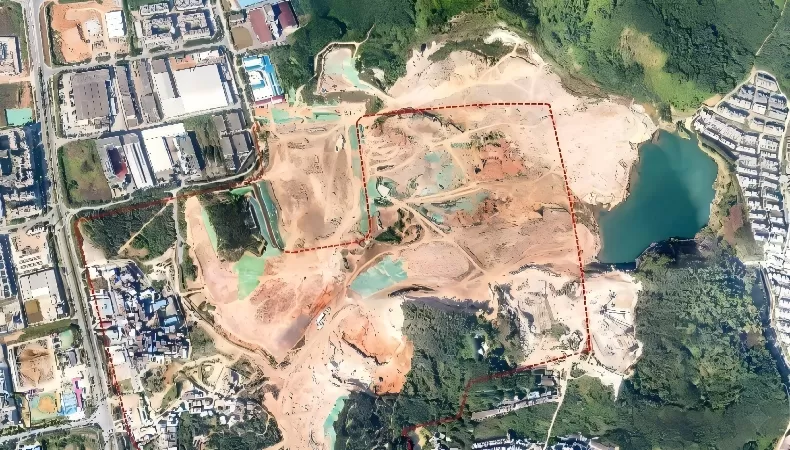
CNOOC Shell Huizhou Phase III Ethylene Dynamic Compaction Project
Daya Bay Petrochemical Zone, Huizhou, Guangdong Province, China
-
SolutionsGround Improvement Systems
-
MarketsIndustrial & Manufacturing
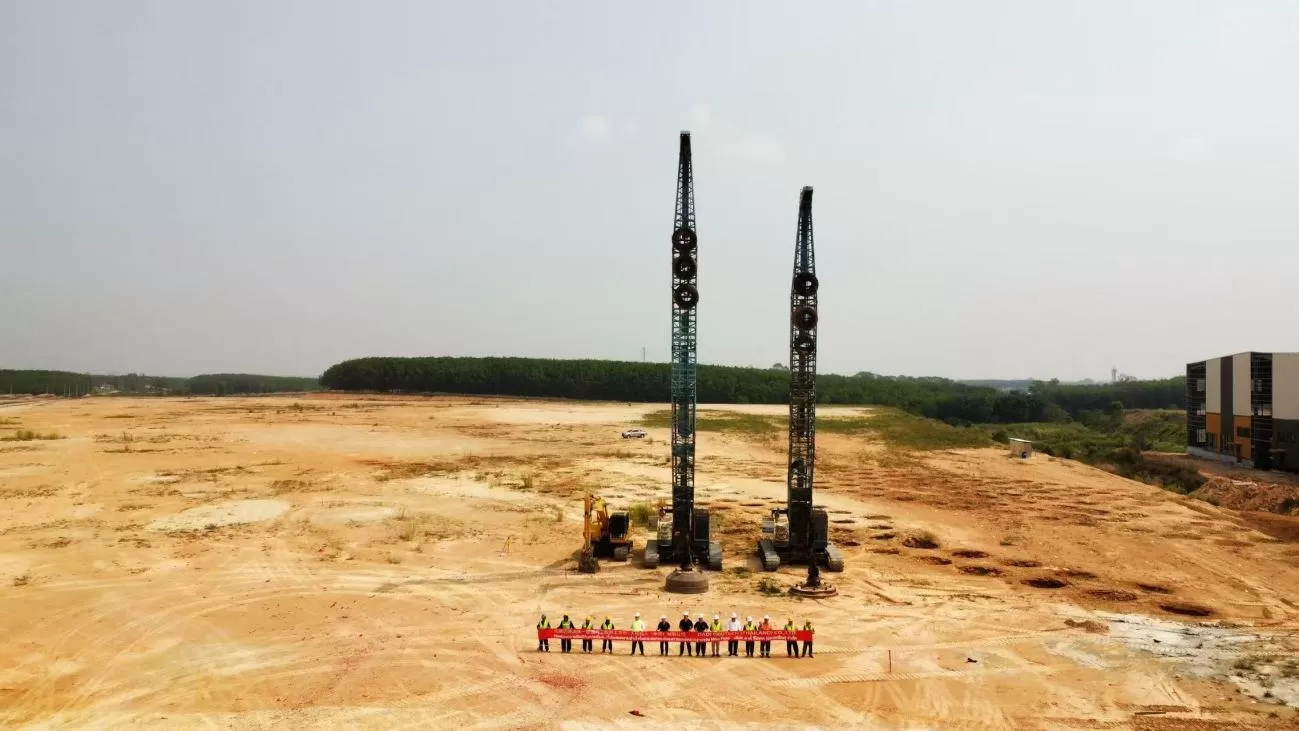
TCL CSOT t9 Display Panel Dynamic Compaction Project
Huangpu District, Guangzhou, Guangdong Province, China
-
SolutionsGround Improvement Systems
-
MarketsIndustrial & Manufacturing
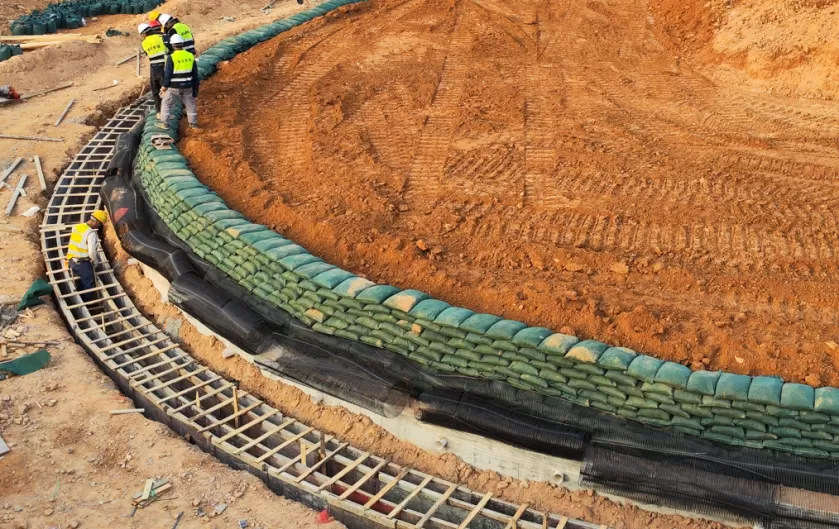
Mike Fluid New Factory Ground Improvement and Slope Support Project
Pinthong Industrial Estate 6, Chonburi Province, Thailand
-
SolutionsGround Improvement Systems
-
MarketsRenewable Energy & Advanced Materials
Wuzhou High-Tech Zone Photovoltaic Industrial Park Ground Improvement Project
Wuzhou, Guangxi Zhuang Autonomous Region, China
-
SolutionsGround Improvement Systems
-
MarketsEnergy & Petrochemical
CNOOC Shell Huizhou Wastewater Treatment Plant Project
Daya Bay Petrochemical Zone, Huizhou, Guangdong Province, China