





The Fujian Gulei Sino-Saudi Petrochemical Project is located in Gulei Petrochemical Industrial Park, Zhangzhou, Fujian Province, China. It forms part of the SABIC Fujian Petrochemical Complex, a major petrochemical development jointly invested in by SABIC and FUJIAN ENERGY PETROCHEMICAL GROUP CO., LTD.
With a total investment of approximately RMB 44.8 billion, the project is one of the largest Sino-foreign joint venture petrochemical developments in Fujian Province. The complex includes a 1.5 million tonnes per year ethylene unit and downstream production facilities for advanced chemical materials.
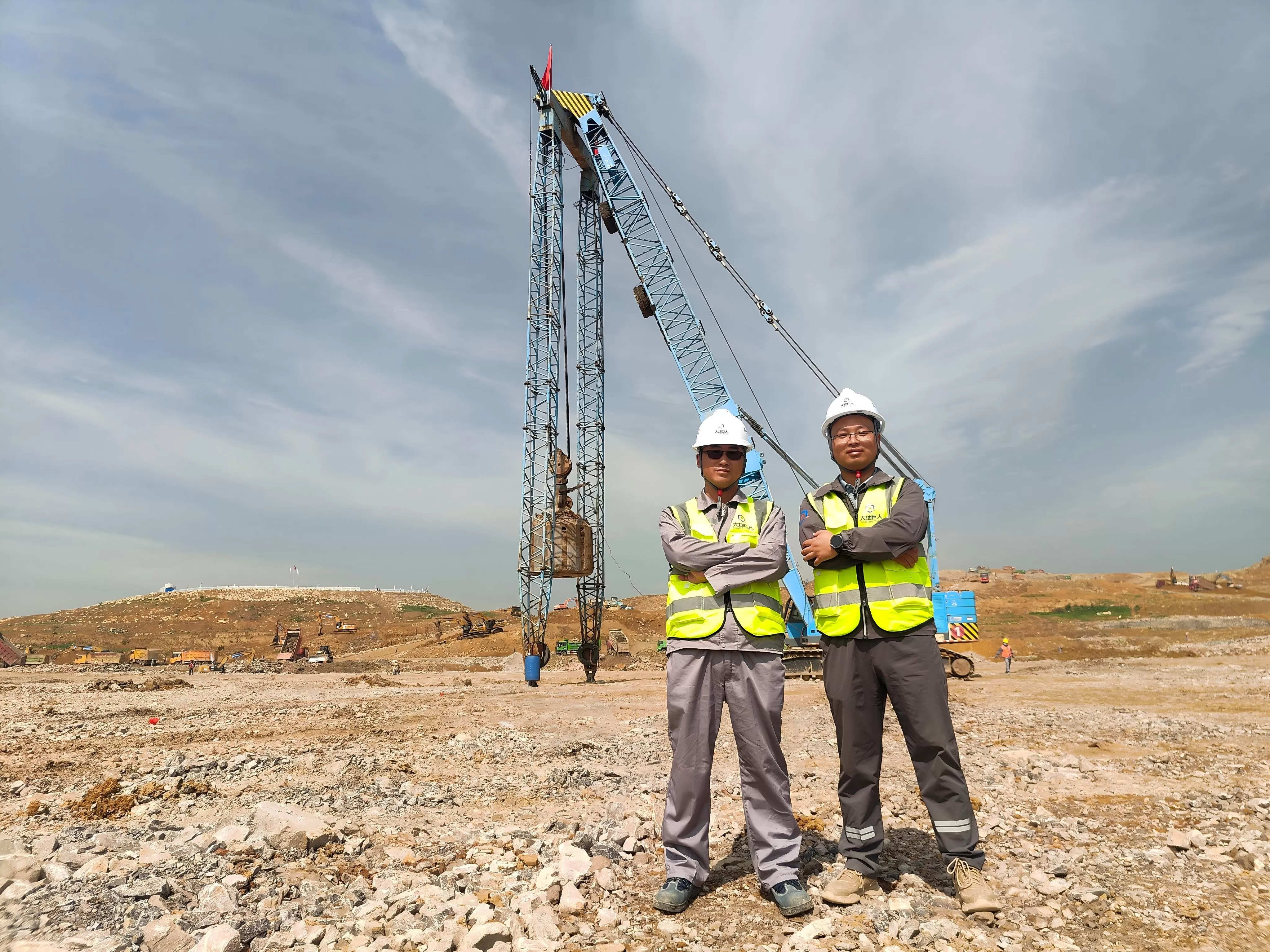
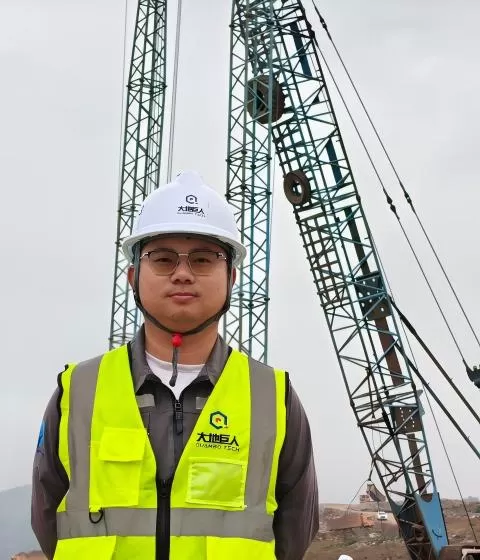
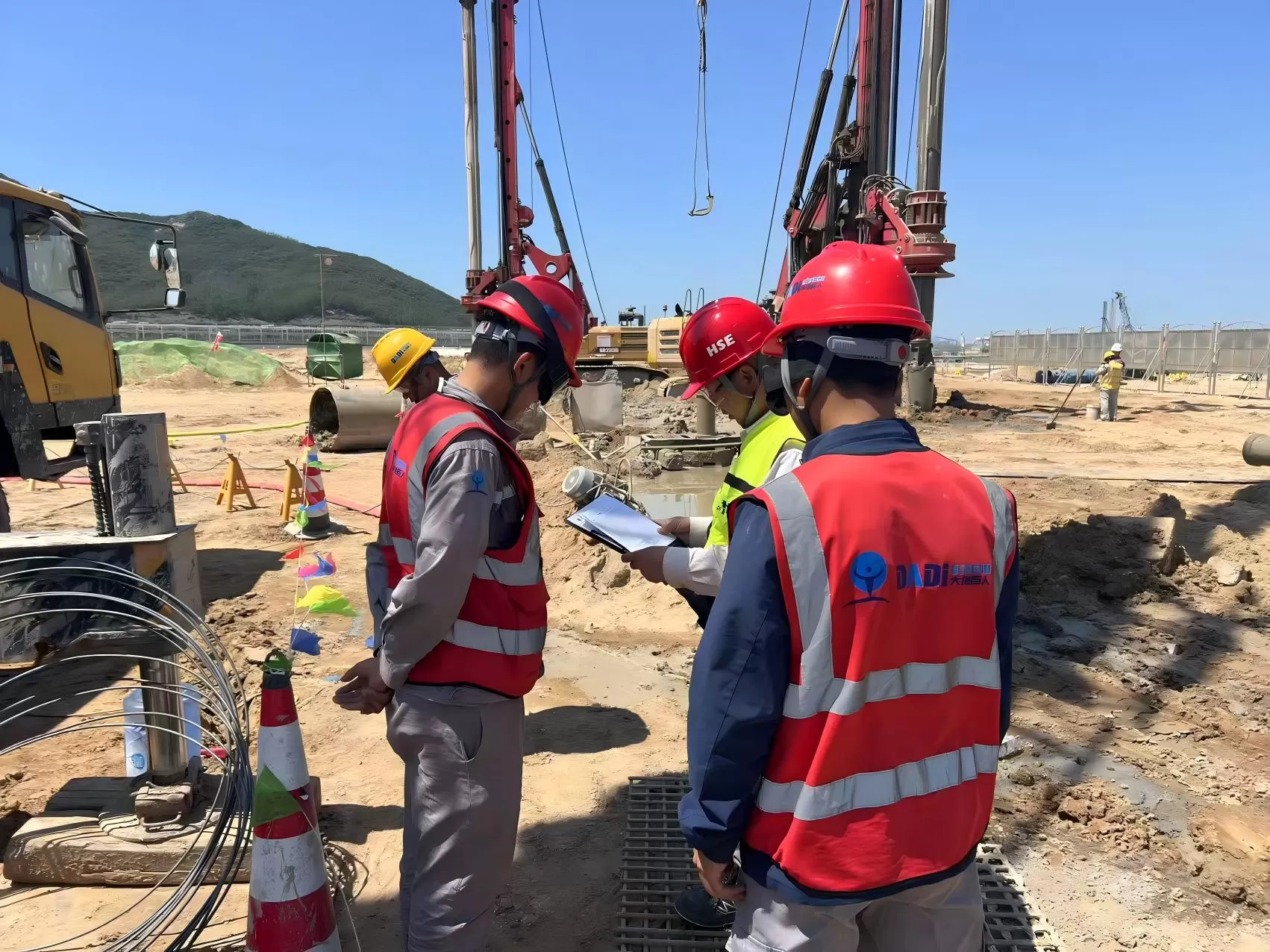
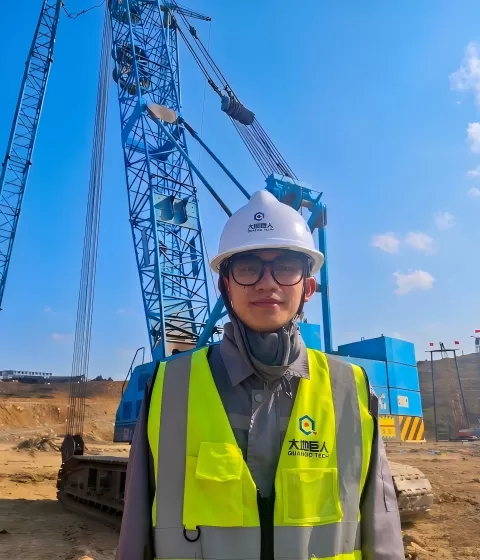
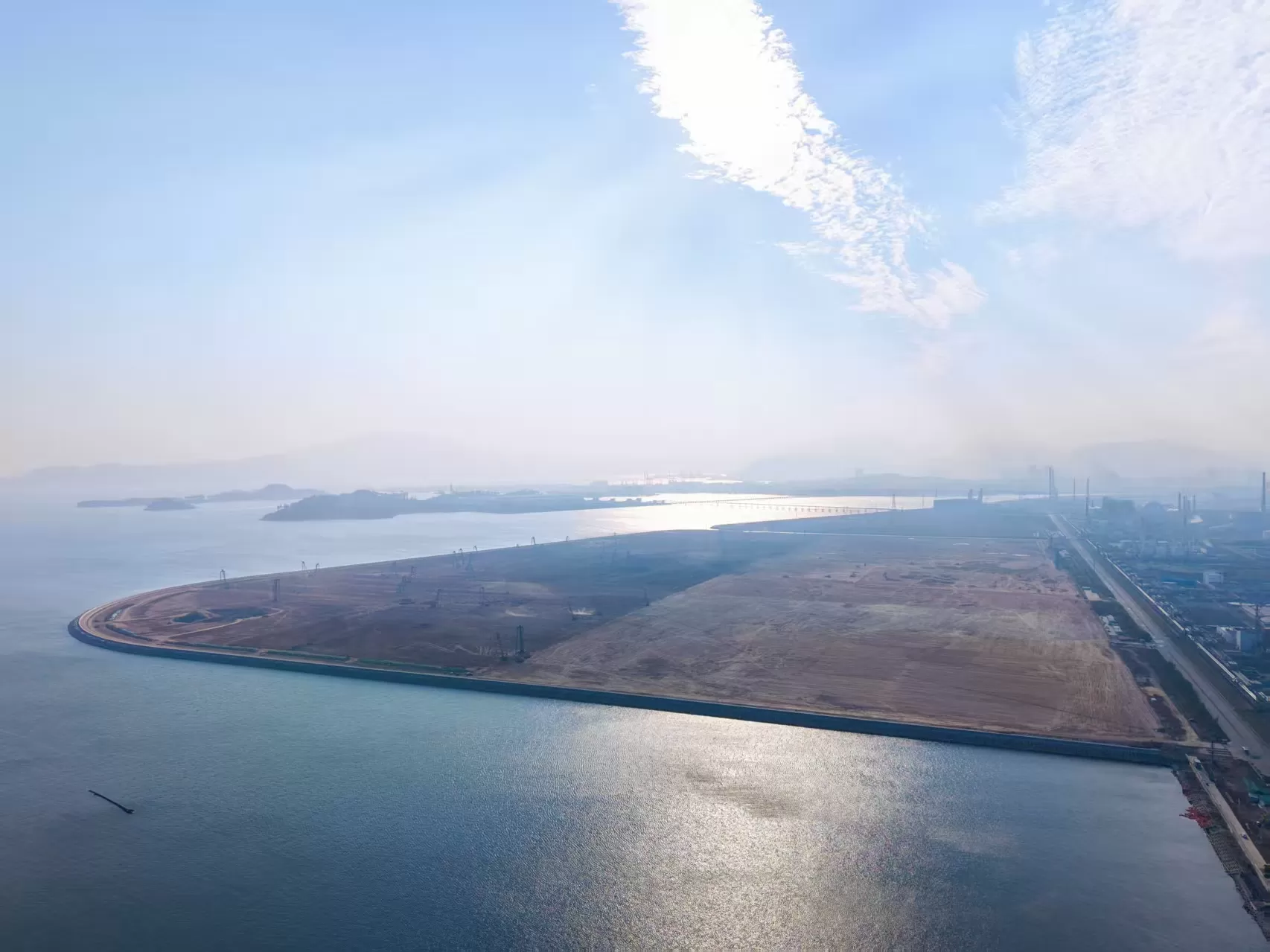
Quambo participated in the ground improvement works for a key construction section of the complex. The dynamic compaction works undertaken by Quambo covered approximately 570,000 m², including Block 4, Block 2, and the southern part of Block 1 along the boundary between Section I and Section II.
The works provided foundation improvement support for major petrochemical facilities, warehouse areas and supporting infrastructure within the complex.
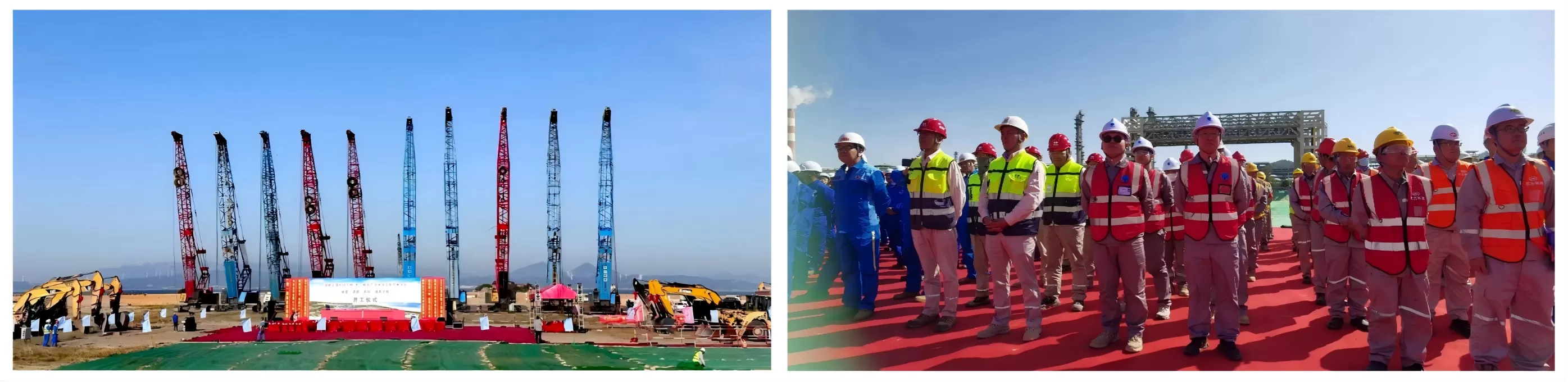
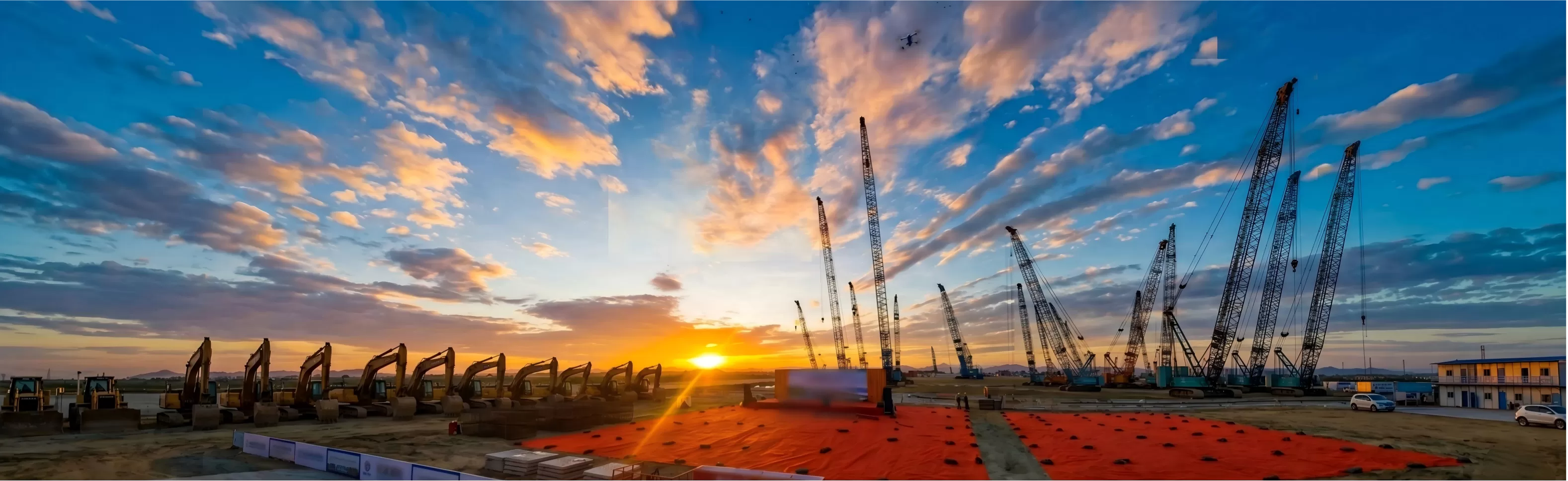
The project involved a large treatment area and a demanding construction schedule. Within a construction period of only 60 days, approximately 570,000 m² of high-energy dynamic compaction works had to be completed.
The treated ground was required to meet strict performance criteria. The characteristic bearing capacity after treatment was required to reach not less than 200 kPa, with an effective improvement depth of at least 6 metres. Within the effective improvement depth, the compression modulus of each soil layer was required to be not less than 15 MPa. For the clayey plain fill layer, the required compression modulus was not less than 9 MPa.
Parts of the site also had relatively high groundwater levels. According to the tender documents, the stable groundwater level in some areas was less than 3 metres below ground surface. This created additional challenges for dynamic compaction control, energy transfer and treatment uniformity.
As the works supported a major petrochemical complex, construction quality, safety management, progress control and coordination with other project interfaces were critical throughout the construction period.
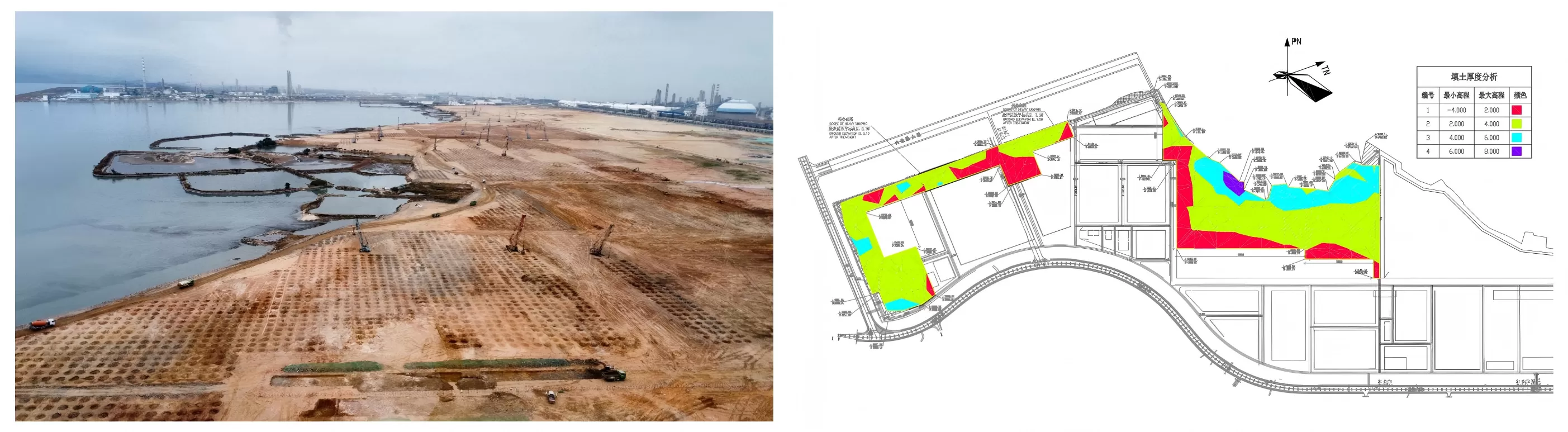
The purpose of the dynamic compaction works was to improve the uniformity and consistency of the reclaimed ground, increase the bearing capacity of the fill layers and clayey plain fill, improve the soil structure, enhance the compression modulus, and reduce post-construction settlement of the proposed structures.
Based on the variation in fill thickness across the site, Quambo adopted a differentiated high-energy dynamic compaction strategy. A 4,000 kN·m dynamic compaction scheme was used in areas where the reclaimed sand fill was up to 6 metres thick, while a 6,000 kN·m scheme was applied in deeper fill areas of 6 to 8 metres. This allowed the compaction energy to be matched to the ground conditions, helping achieve the required improvement depth, bearing capacity and compression modulus across the treatment area.
Through systematic construction planning, equipment deployment and quality control, Quambo improved the engineering properties of the reclaimed ground and provided a reliable foundation for the subsequent construction of major petrochemical facilities.


-
SolutionsGround Improvement Systems
-
MarketsEnergy & Petrochemical
CNOOC Shell Huizhou Phase III Ethylene Dynamic Compaction Project
 Daya Bay Petrochemical Zone, Huizhou, Guangdong Province, China
-
SolutionsGround Improvement Systems
-
MarketsIndustrial & Manufacturing
TCL CSOT t9 Display Panel Dynamic Compaction Project
Huangpu District, Guangzhou, Guangdong Province, China
-
SolutionsGround Improvement Systems
-
MarketsIndustrial & Manufacturing
Mike Fluid New Factory Ground Improvement and Slope Support Project
Pinthong Industrial Estate 6, Chonburi Province, Thailand
-
SolutionsGround Improvement Systems
-
MarketsRenewable Energy & Advanced Materials
Wuzhou High-Tech Zone Photovoltaic Industrial Park Ground Improvement Project
Wuzhou, Guangxi Zhuang Autonomous Region, China