





The Bijie Phosphorus–Coal Chemical Integration Project is a large-scale industrial development integrating phosphorus chemicals, coal chemicals, supporting energy and utility systems, and new-energy materials. The project has a planned total investment of approximately RMB 73 billion, including approximately RMB 24.3 billion for Phase I.
The project site is located in the Guizhou Zhijin Economic Development Zone, Zhijin County, Bijie, Guizhou Province, with a planned site formation area of approximately 4 million square metres, equivalent to about 400 hectares. The original site was characterised by karst residual hill terrain and included terraced fields, rural settlements, roads and natural slopes. The site had an elevation difference of approximately 200 metres and highly variable topography.
Surface geological investigations identified well-developed solution holes and rock fissures, together with karst grooves, channels and stone pinnacles, resulting in highly irregular ground conditions. Large-scale excavation, filling and ground improvement were required to transform the complex mountainous terrain into a platform suitable for major industrial facilities and supporting infrastructure.
In terms of engineering scale, technical complexity and implementation difficulty, the high-fill site formation and geotechnical works rank among the most demanding projects of their type in China. Quambo was responsible for the site formation design and ground improvement works.
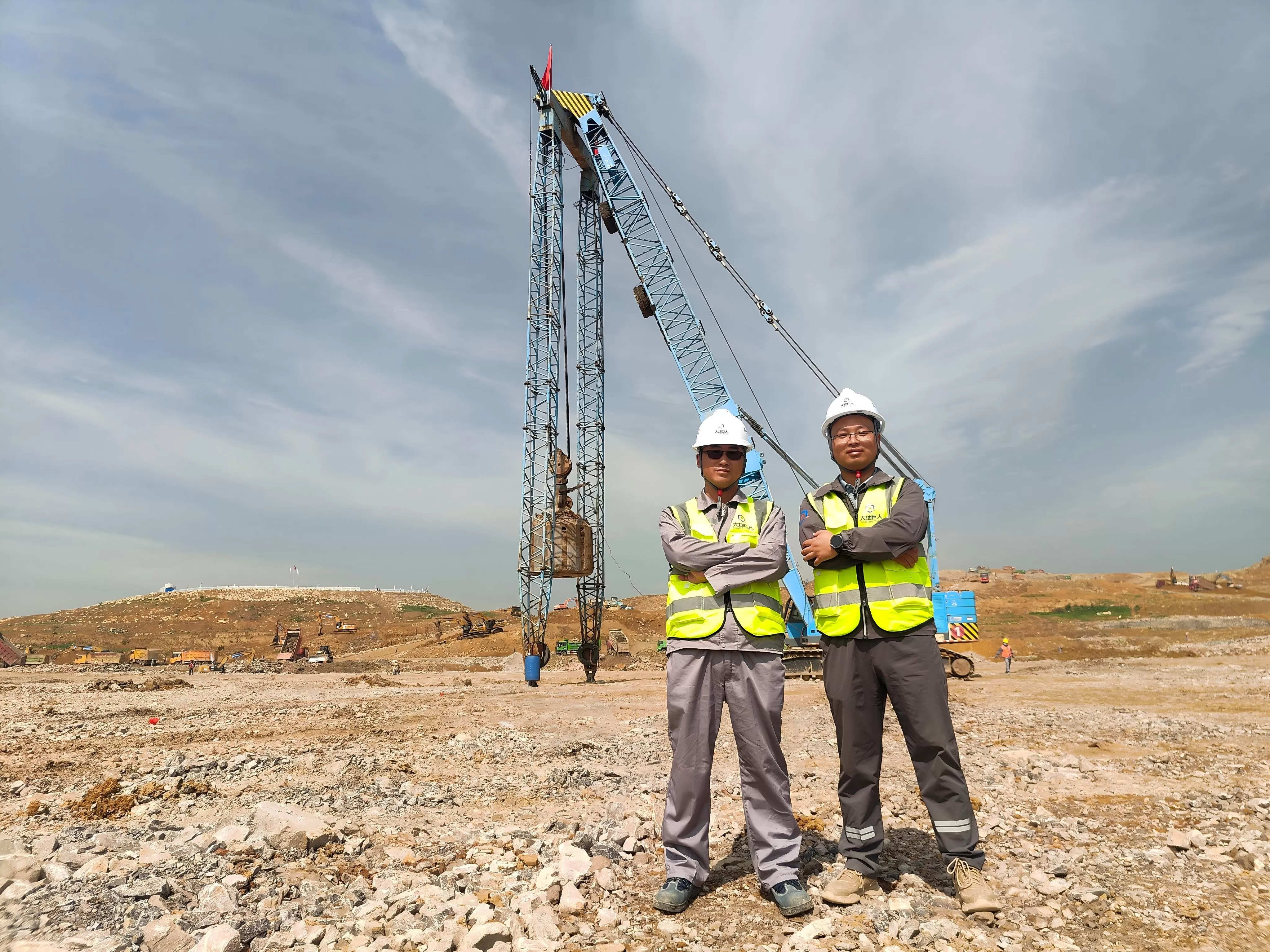
To address the exceptionally deep cut-and-fill works, thick fill deposits and complex karst conditions, an integrated high-fill site formation approach was adopted. The existing ground, engineered fill, construction layers, fill materials and hydrogeological conditions were managed as an interconnected system. Layered filling, staged dynamic compaction and layer-by-layer testing were used to progressively form a stable, uniform and verifiable industrial platform.
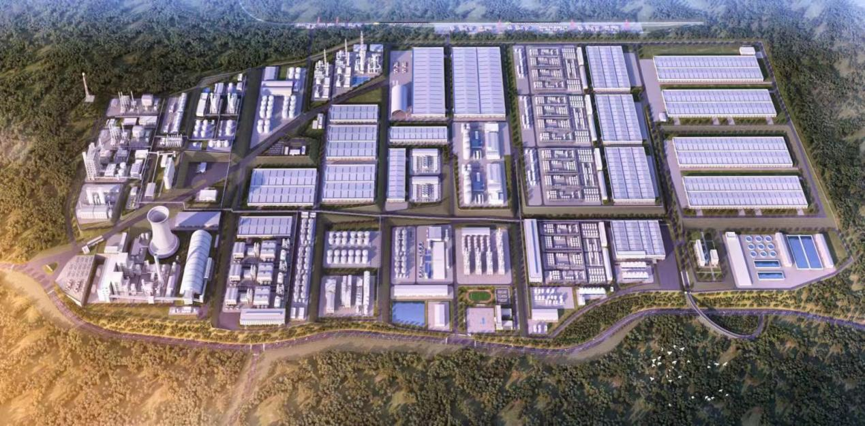
The site extended approximately 1,800 metres from east to west and approximately 3,900 metres from north to south, covering a total area of about 400 hectares. The original terrain had a maximum elevation difference of approximately 200 metres. Site formation required extensive mountain cutting and valley filling, with excavation and fill heights exceeding 100 metres in certain areas. The resulting fill was exceptionally deep and unevenly distributed.
Differences in deformation characteristics and settlement behaviour may occur between the natural ground and engineered fill, as well as between fill layers formed during different construction stages. Without effective control of filling and ground improvement, substantial total and differential settlement could affect the long-term performance of the completed platform and the proposed industrial facilities.
For areas with exceptionally deep fill, conventional pile foundations would be difficult and costly to construct and would require a prolonged construction period. A project-specific site formation and ground pre-treatment scheme was therefore required to improve the overall integrity, density and deformation performance of the deep fill.
The site rock mainly consisted of relatively hard calcareous rock, with bedrock exposed at the surface of many hilltops. Rock excavation, fragmentation, particle-size control and fill grading presented major challenges. Rock material accounted for approximately 70% to 80% of the fill. Improper management of oversized rock fragments could create large voids, loose zones or uneven interlayers within the fill, affecting overall fill quality and long-term stability.
The site was also located in typical karst terrain, where sinkholes, cavities, underground rivers and karst channels could be present. Large-scale terrain modification could alter existing surface and subsurface drainage paths. Specialised investigation and targeted treatment were therefore required to identify and manage karst features, groundwater movement and natural drainage systems.
The project applied an integrated high-fill site formation approach, coordinating the treatment of the existing ground, deep engineered fill, construction layers, fill materials and hydrogeological conditions. The overall solution followed a coordinated process of master planning, layered filling, staged dynamic compaction and layer-by-layer testing.
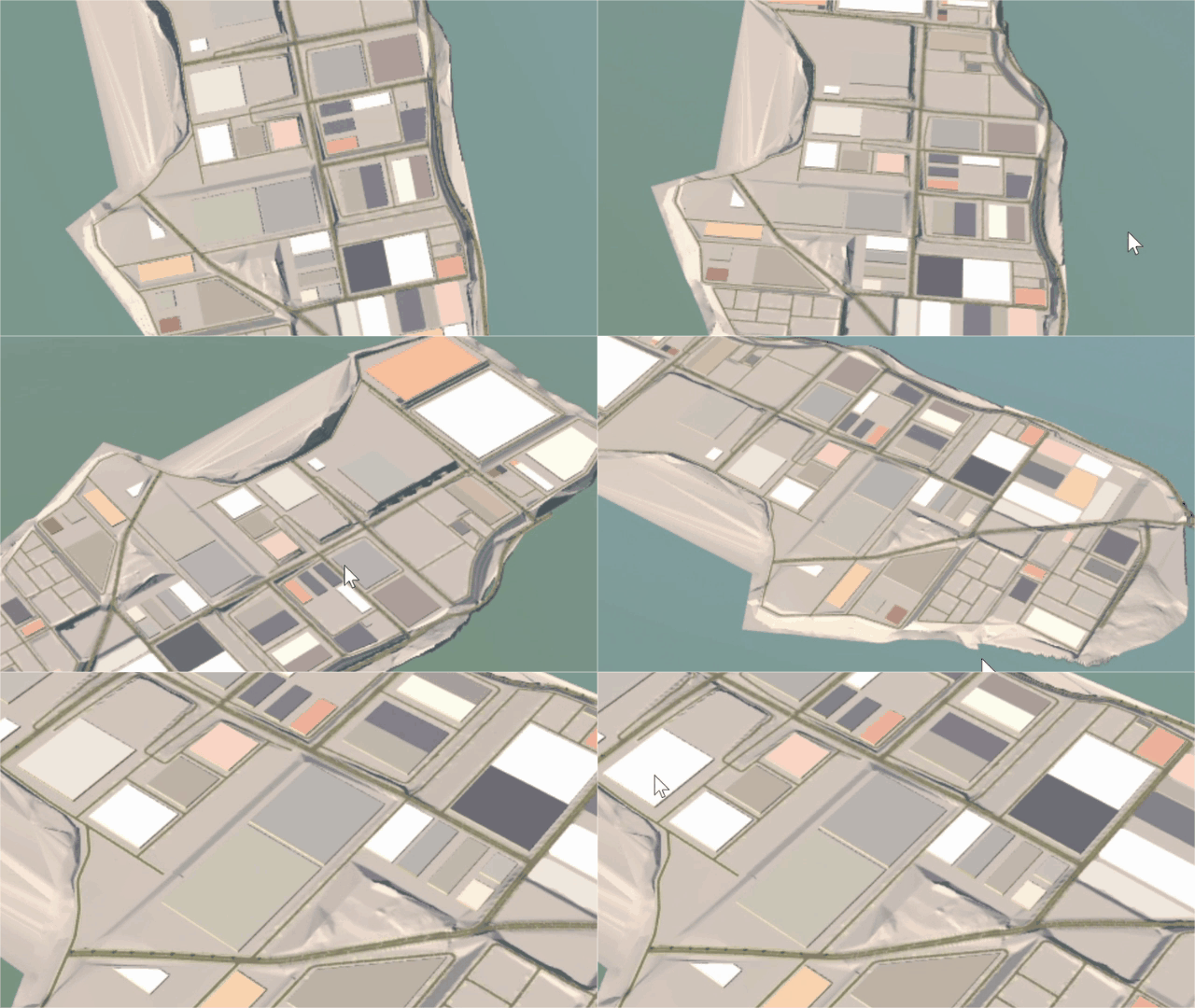
Fill thickness was controlled at each stage, while appropriate dynamic compaction energy levels were selected according to the fill conditions, required treatment depth and characteristics of the underlying natural ground. This progressively improved the density, uniformity and overall stability of the fill mass. The interface between the existing ground and engineered fill was strengthened simultaneously to reduce differences in deformation behaviour and the risk of differential settlement.
The Quambo project team carried out more than 30 rounds of design optimisation covering process layout, site formation elevations, earthwork balancing and construction organisation. Through these optimisations, the total earthwork volume was reduced from approximately 120 million cubic metres under the original scheme to approximately 60 million cubic metres, generating estimated earthwork cost savings of approximately RMB 1.1 billion and establishing a solid foundation for subsequent project delivery.
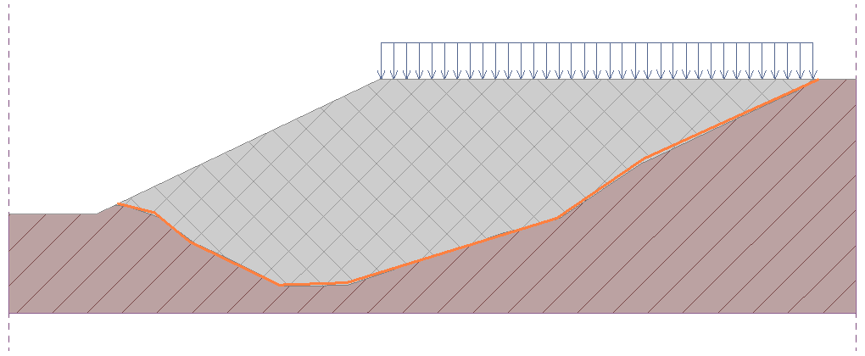
First-Layer Treatment Integrated with Existing Ground Improvement
The thickness of the first fill layer was strictly controlled. After completion of the first layer, dynamic compaction and dynamic replacement were applied at appropriate energy levels according to the loose fill thickness. The treatment was designed to improve not only the first fill layer but also approximately 2 to 3 metres—and, in certain areas, 8 to 10 metres—of the underlying natural ground. This ensured that the stability and deformation performance of the foundation layer met the design requirements.
The treatment improved the density of the first fill layer and enhanced the combined performance of the existing ground and engineered fill, reducing the risk of weak zones forming at the interface. Particular attention was also given to the coordinated design and construction of adjoining fill slopes to ensure their safety and long-term stability.
Intermediate-Layer Treatment
Except for the first and uppermost layers, the intermediate fill layers were generally controlled at a loose thickness of approximately 12 metres.
Dynamic compaction was carried out after completion of each layer, with the maximum compaction energy reaching 18,000 kN·m. Quality testing was then performed after compaction.
Filling, dynamic compaction and testing were conducted in alternating stages. Construction of the next fill layer was not permitted until the completed layer had met the required acceptance criteria, allowing each layer to function as an independent and verifiable construction and quality-control unit.
Uppermost-Layer Treatment
For the uppermost layer, the loose fill thickness, fill material requirements and corresponding dynamic compaction energy were determined according to the final masterplan elevation, the remaining fill depth in each zone, the operational and loading requirements of the proposed buildings and structures, deformation-control criteria and the selected foundation systems.
This targeted treatment ensured that the completed platform met the required elevation, bearing performance, ground uniformity and settlement-control criteria, while providing suitable conditions for subsequent industrial building and equipment foundation construction.
Fill Material Control
Considering the hard calcareous rock and large rock fragments present at the site, rock size and fill grading were controlled during excavation, crushing, transportation and placement.
Rock material and soil fill were allocated and blended in a coordinated manner, taking into account the site topography and subsurface drainage requirements. This reduced the risk of oversized rock fragments creating bridging voids, loose zones or uneven interlayers.
Fill placement, levelling and dynamic compaction were also coordinated with the moisture condition of the fill material to provide suitable densification conditions and improve both compaction effectiveness and fill mass integrity.
Karst and Hydrogeological Control
In areas affected by karst development and complex groundwater conditions, specialised investigations were used to identify sinkholes, cavities, underground rivers, karst channels and groundwater pathways.
Depending on the actual geological conditions, localised filling, strengthening, drainage diversion or other targeted treatment measures were adopted.
Reasonable surface and subsurface drainage paths were preserved wherever practicable to reduce the risks of water accumulation, seepage, internal erosion within the fill mass and local instability.
By coordinating the control of the existing ground, engineered fill, construction interfaces, material quality and water conditions, the exceptionally deep fill platform was divided into manageable construction and acceptance stages.
The solution reduced the risk of loose zones, weak interlayers and non-uniform fill, providing stable, uniform and traceable site conditions for subsequent large-scale industrial development.
Composite Foundation Solutions Replacing Conventional Piles
Given the complex geological conditions and the foundation loading requirements of the proposed process facilities, the conventional approach in China would typically rely on rotary bored cast-in-place piles constructed with long temporary casings. However, this method has significant drawbacks, including considerable pile lengths, high construction costs and a prolonged construction period.
To address these limitations, Quambo developed an integrated composite foundation solution that provided a more economical and time-efficient alternative. The solution combined the following proprietary technologies:
High-Energy Dynamic Replacement
Patent No. 2020207784129
Sparse Piles with Reinforced Geogrid Mattress
Invention Patent No. 201310223741.1
Dynamic Compaction Piles
Invention Patent No. 2020109634737
Long Piles Combined with Short Piers
Invention Patent No. 2022102919142
Through the integrated application of these technologies, ground improvement costs were reduced by approximately 50%, while the construction period was shortened by approximately 40%.
The solution also reduced the additional investigation requirements, construction costs and quality risks associated with pile-by-pile investigation in karst ground and pile installation through underground cavities.
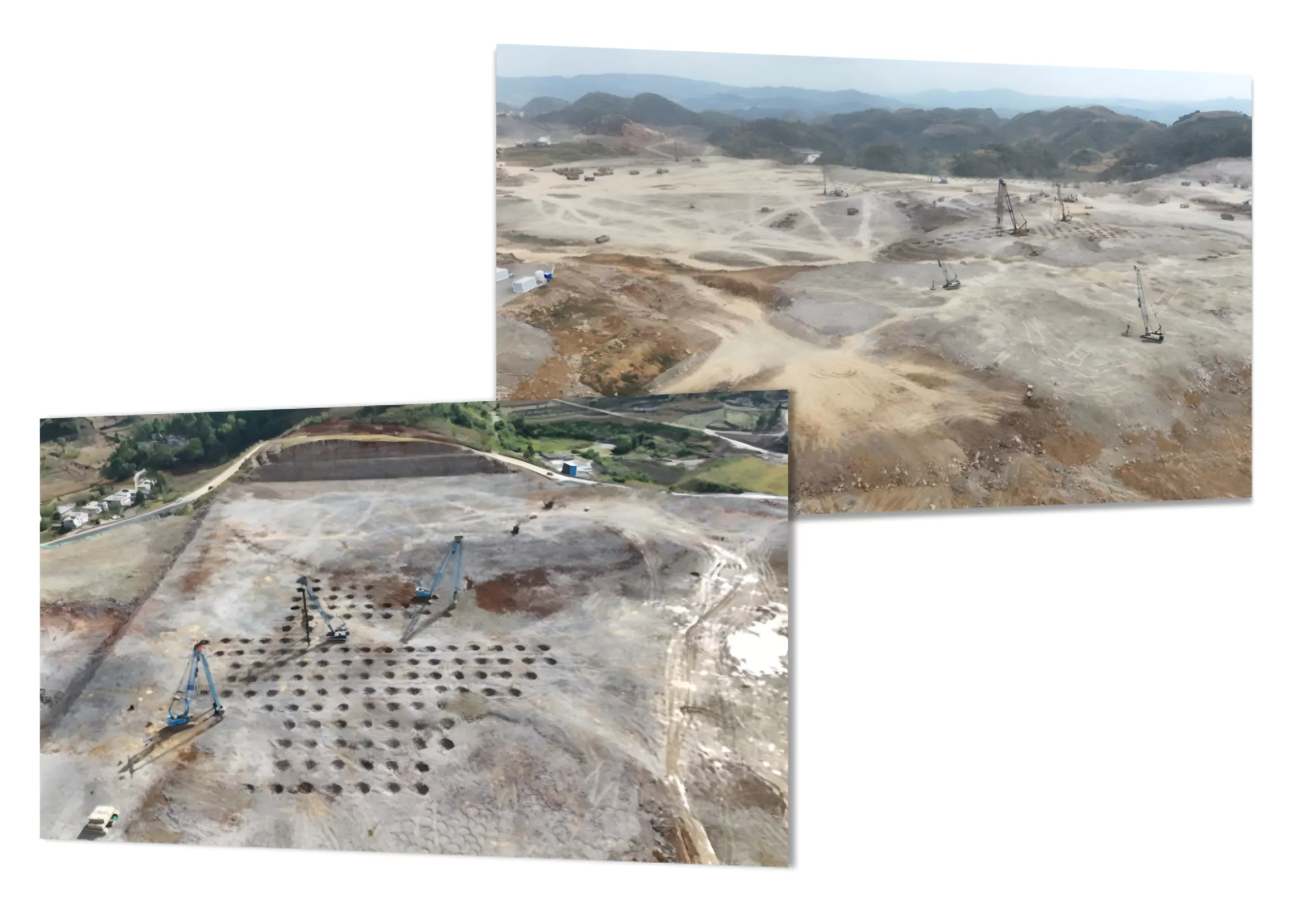
Digital Ground Engineering Monitoring Platform
The project applied Quambo’s intelligent ground engineering monitoring system, which is based on Inertial Navigation System (INS) technology. For this project, the system was configured for the real-time monitoring and control of dynamic compaction operations.
The system integrates on-equipment monitoring devices, data acquisition hardware, communication modules and a centralised digital management platform. It is protected under Invention Patent No. 2024100521816 and was implemented together with Quambo’s full-process quality-control methodology, protected under Invention Patent No. 2024104414245.
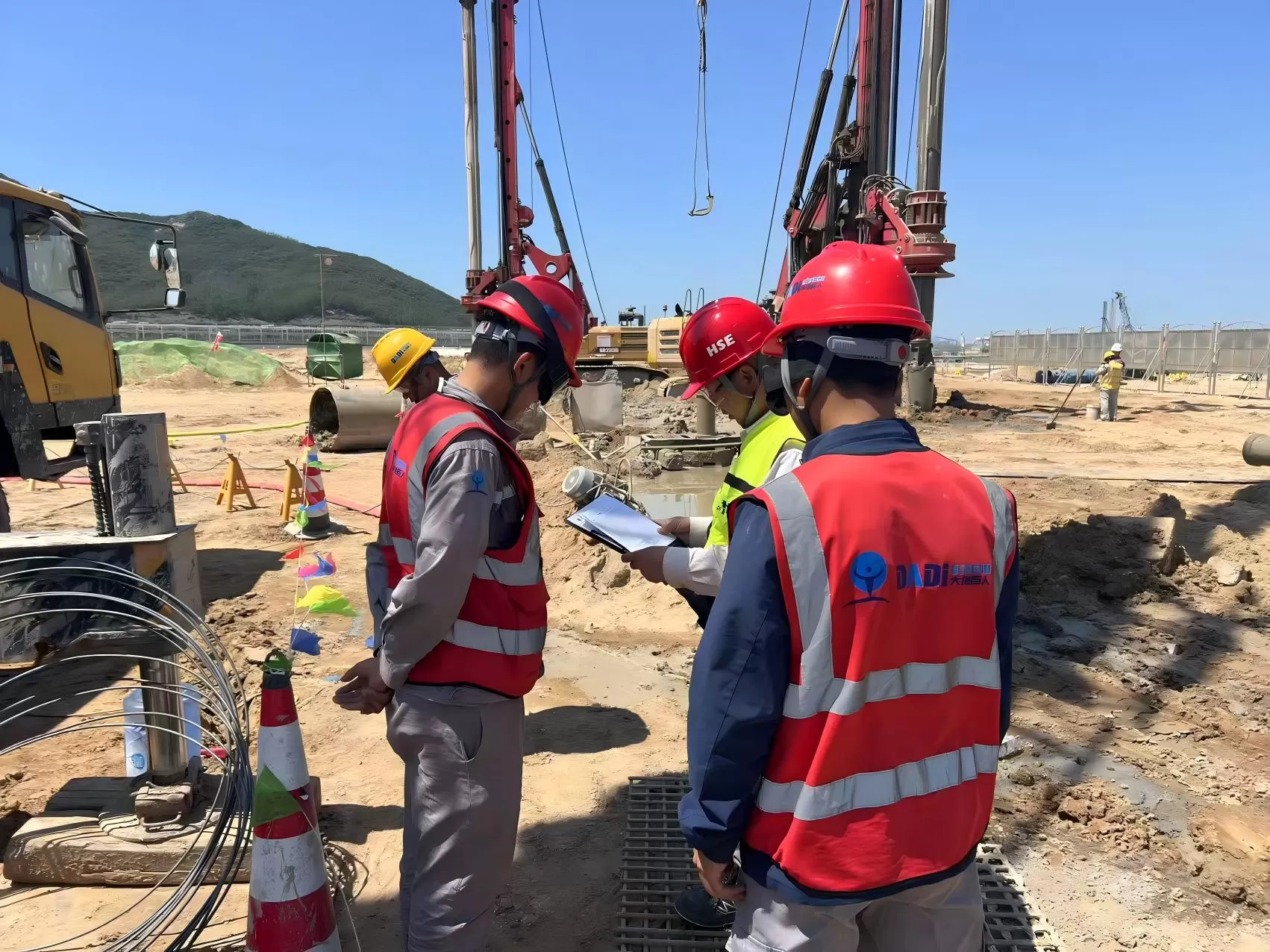
The platform enabled digital collaboration among the client, supervision consultant and construction contractor throughout the construction process. It collected, analysed and retained construction data in real time, allowing project stakeholders to monitor execution quality, review progress and maintain a complete and traceable record of the works.
By replacing fragmented manual records with real-time digital monitoring and centralised data management, the system improved the accuracy and consistency of quality control, increased management efficiency and reduced on-site supervision costs.
The related technical outcomes have been incorporated into the revised 2026 edition of the Technical Code for Ground Treatment of Buildings, a national industry standard in China, as well as the Technical Specification for Site Formation Engineering and the Technical Specification for Existing Uncontrolled Sites and Foundations.
The project therefore provides a replicable and scalable reference for the digital management of similarly complex deep-cut and high-fill site development projects.
Understand related technologies >


-
SolutionsGround Improvement Systems
-
MarketsEnergy & Petrochemical
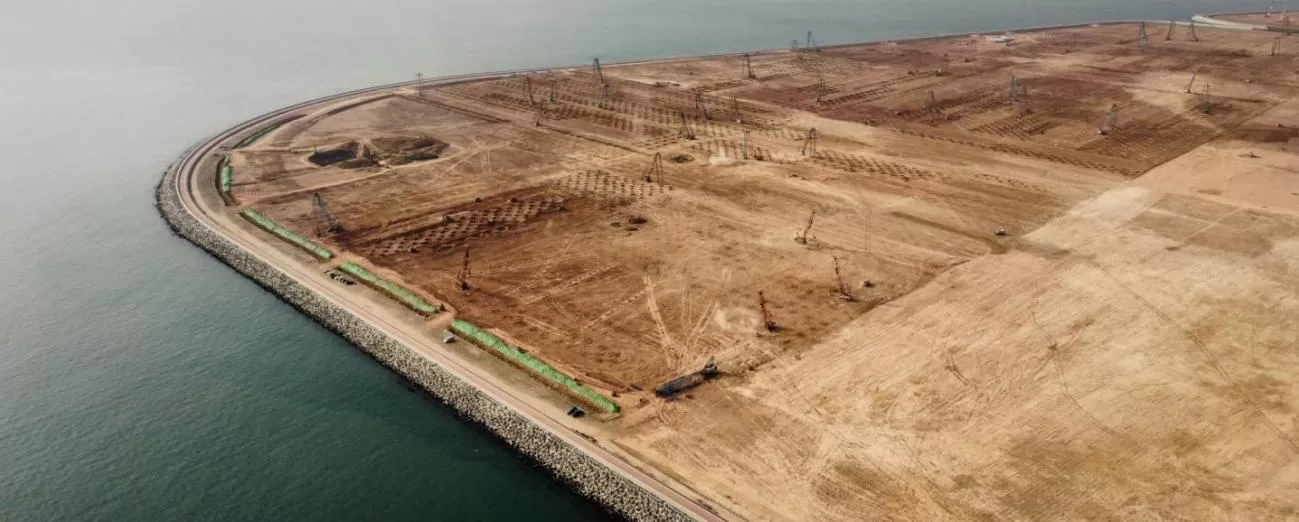
CNOOC Shell Huizhou Wastewater Treatment Plant Project
 Daya Bay Petrochemical Zone, Huizhou, Guangdong Province, China
-
SolutionsGround Improvement Systems
-
MarketsEnergy & Petrochemical
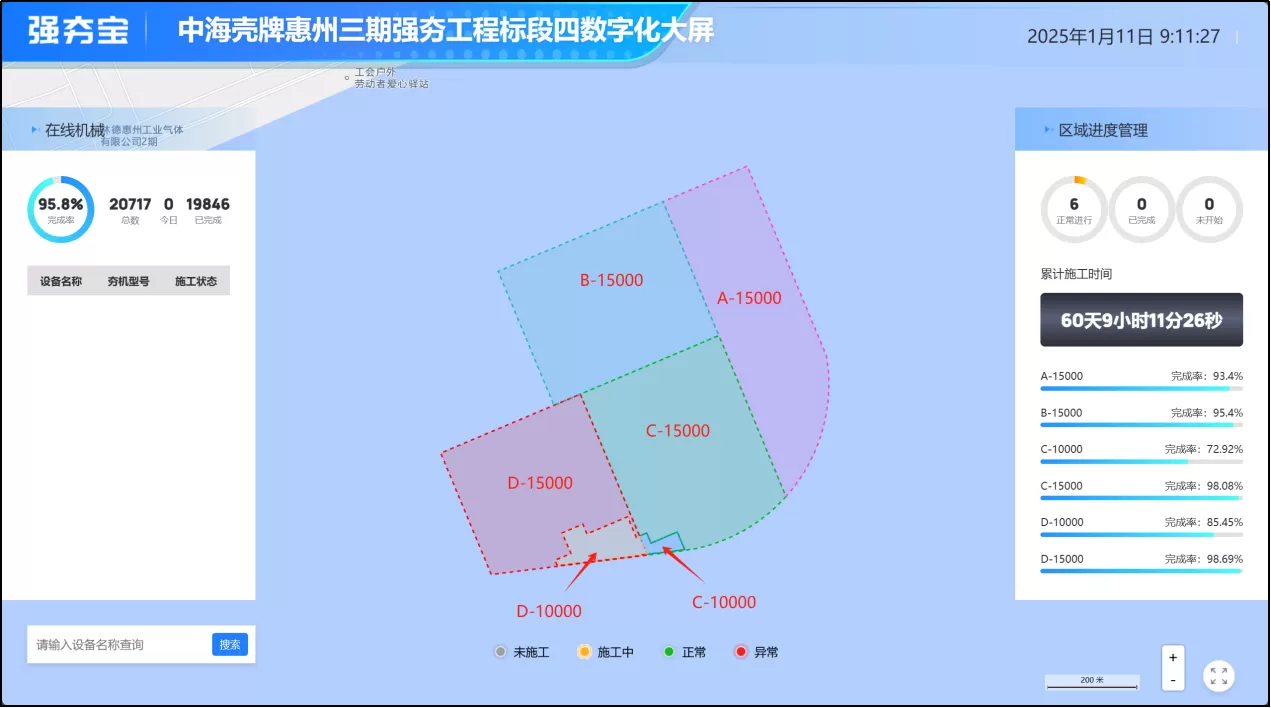
CNOOC Shell Phase III Ethylene Dynamic Compaction Intelligent Monitoring Project
Daya Bay Petrochemical Zone, Huizhou, Guangdong Province, China