
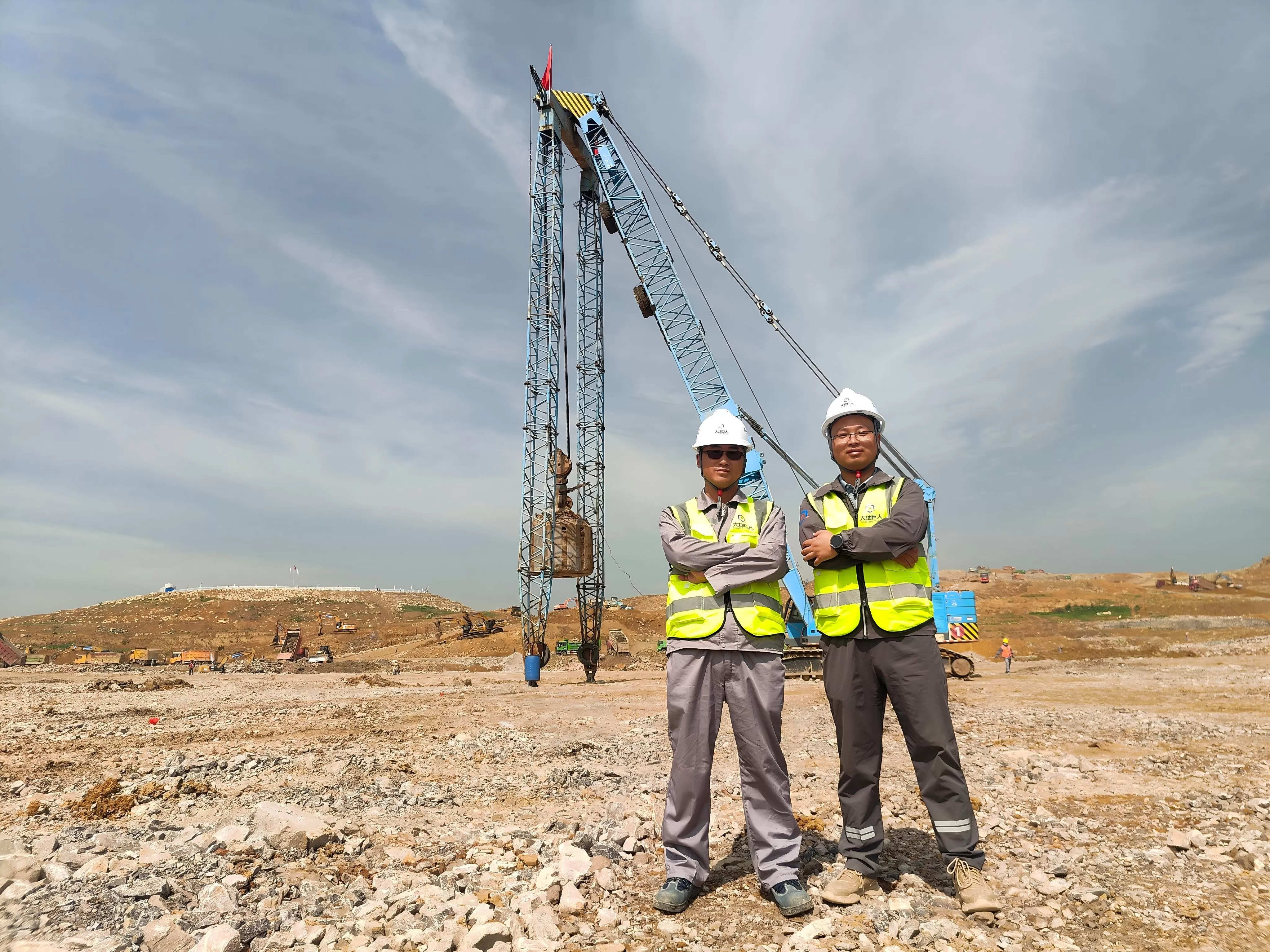

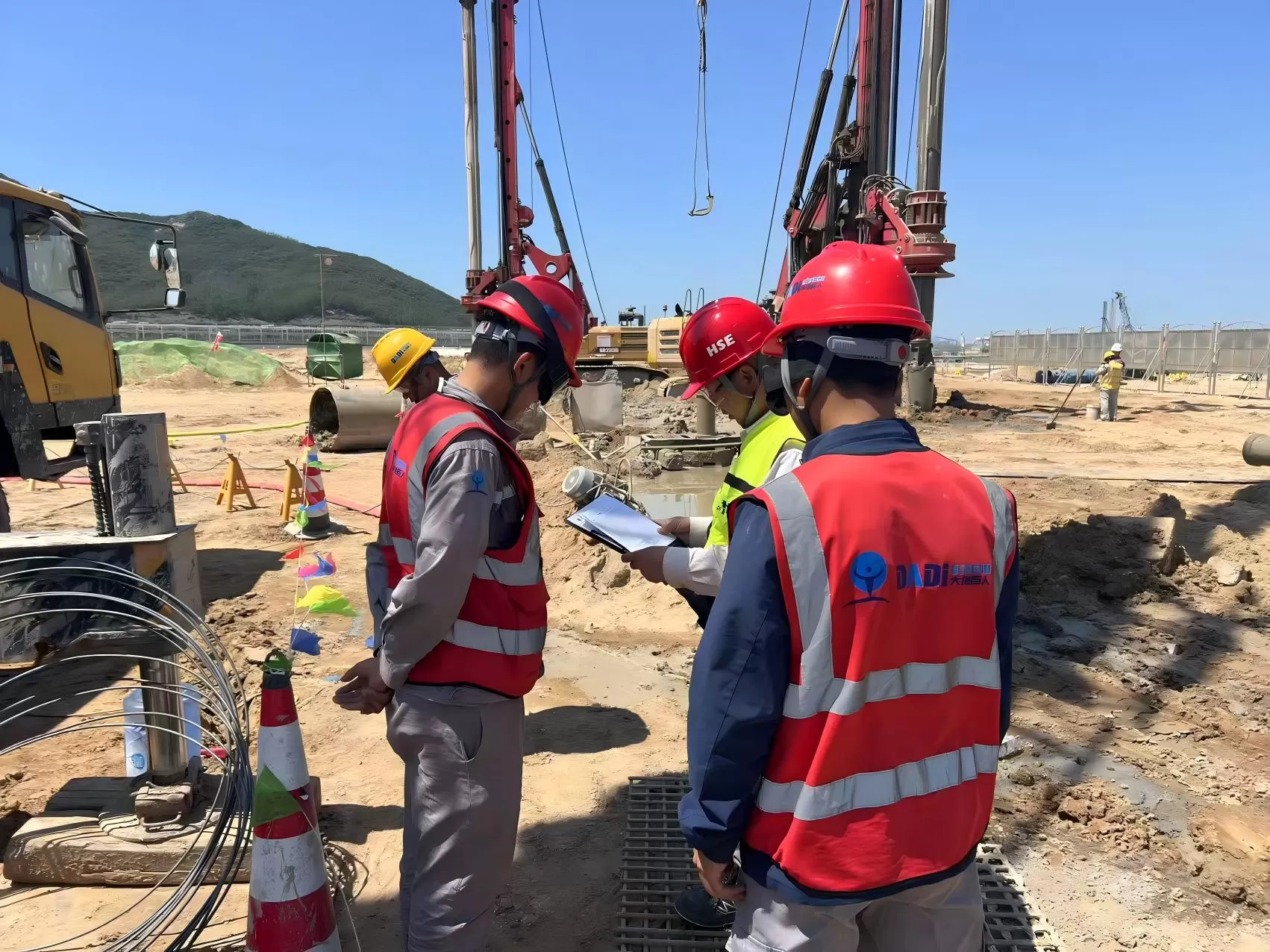
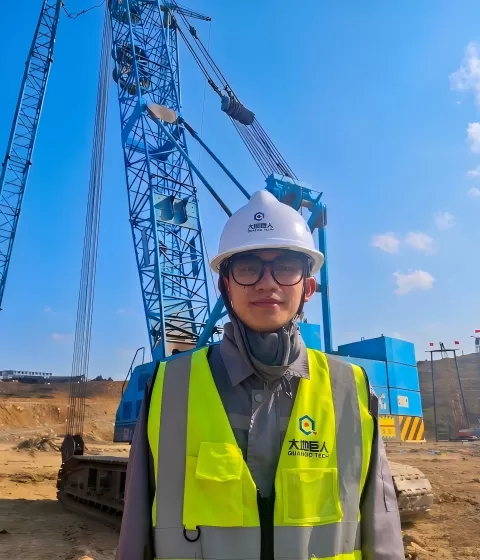





In geotechnical engineering, the accumulation of technical knowledge and the continuous refinement of practical experience are essential to industry development. They support not only the advancement of engineering technology, but also the improvement of project delivery standards.
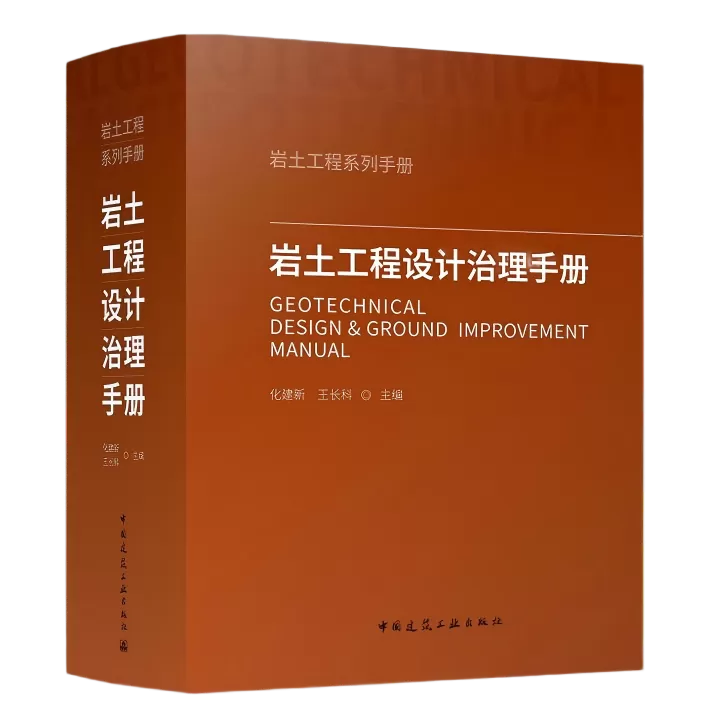
Recently, the Handbook of Geotechnical Engineering Design and Treatment, an authoritative industry publication, was officially released. Prepared with the guidance and technical review of senior industry experts, the handbook brings together professional knowledge, engineering experience, and practical references in geotechnical design and ground improvement.
QUAMBO participated in the compilation of two key chapters under Part IV, “Ground Improvement”: Compacted Ground and Dynamic Compaction Ground. This contribution reflects the company’s long-term technical accumulation, engineering experience, and continued commitment to the field of ground improvement.
Technical Contribution from QUAMBO’s Engineering Team
The compilation work was led by core members of QUAMBO’s technical team, including Weihou Shui, Bingyin Dong, Liang Tan, Xiaowang Zhang, Jinsong Yang, and Yuepan Guo.
The team was responsible for developing the chapter structure, organising a large volume of technical materials, selecting representative engineering cases, and refining the professional content. The final chapters combine theoretical depth with practical engineering value, providing useful references for design, construction, and project implementation in ground improvement works.
Based on more than 200 design and construction projects in ground improvement, as well as over 40 innovative construction methods and patented technologies, QUAMBO’s team systematically summarised advanced construction techniques, innovative treatment methods, and proven engineering practices.
Project-Based Knowledge and Engineering Practice
The handbook includes technical insights from a wide range of representative ground improvement projects. Rather than focusing only on individual project locations, these cases demonstrate QUAMBO’s experience across different ground conditions, treatment methods, and engineering challenges.
The selected cases cover:
- Large-scale cut-and-fill ground formation, including mountainous site formation projects with excavation and filling depths exceeding 100 m;
- High-fill ground improvement, including new urban development areas with significant elevation differences and filling depths of more than 100 m;
- Dynamic compaction for industrial platforms, including high-fill sites for steel, petrochemical, battery manufacturing, and other large-scale industrial facilities;
- Composite foundation treatment, including high-energy dynamic compaction combined with rigid pile systems for deep fill areas;
- Dynamic replacement methods, applied to complex ground conditions requiring localised soil replacement and densification;
- Soft ground improvement for large petrochemical sites, involving prefabricated vertical drains, pipe-well dewatering, and dynamic compaction over extensive treatment areas;
- Collapsible loess treatment, including hole-forming dynamic compaction for sites with deep collapsible soil layers.
These cases were drawn from major projects across China, including Yunnan, Shaanxi, Guangdong, Guangxi, Jiangxi, Shandong, and Henan, covering a broad range of geological conditions and industrial applications.
Together, these cases allow the handbook to connect technical theory with front-line engineering practice. They also provide practical and replicable references for similar ground improvement projects under complex geological and construction conditions.
One innovative feature of the handbook is that selected detailed engineering case materials are included through QR codes, allowing readers to access extended project information more conveniently.
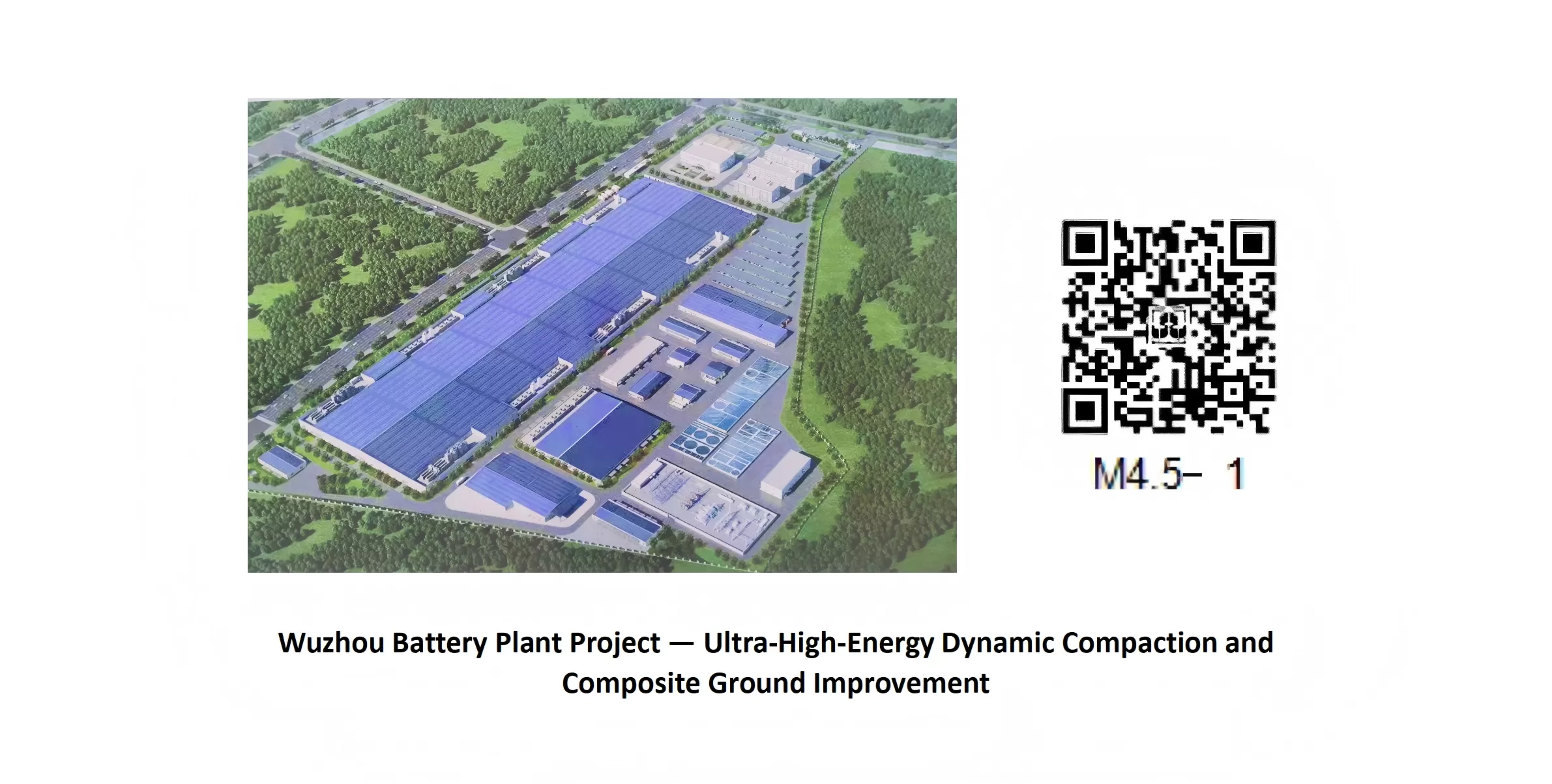
Digital Monitoring Innovation: Digital Ground Engineering Monitoring & Control System
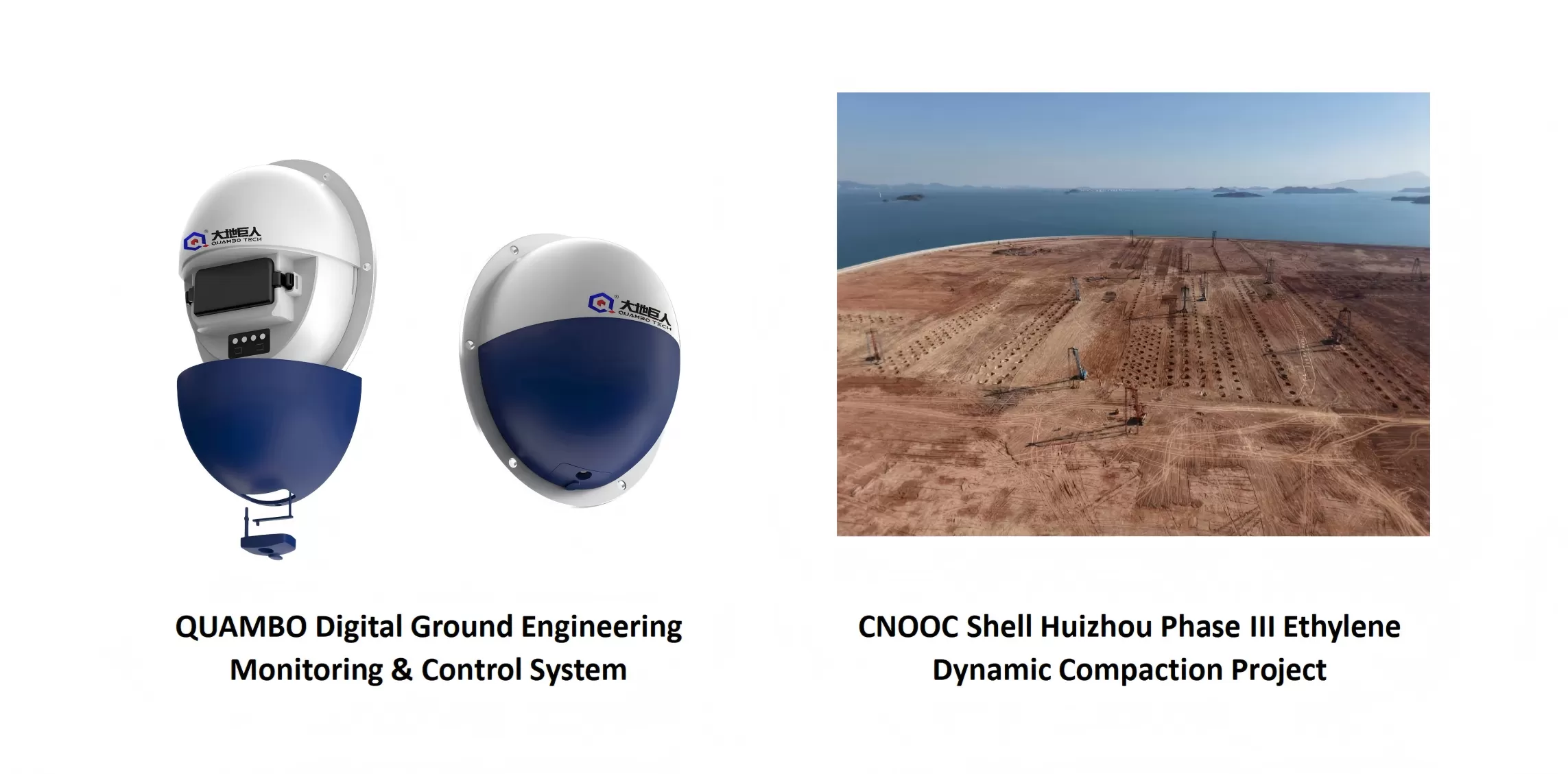
Another key technical achievement featured in the handbook is QUAMBO’s Digital Ground Engineering Monitoring & Control System, the company’s first proprietary R&D product.
Developed for dynamic compaction and ground improvement works, the system enables real-time monitoring, accurate data collection, construction-process control, and traceable quality management. As digitalisation and intelligent construction become increasingly important in geotechnical engineering, the system provides reliable technical support for large-scale and high-standard ground improvement projects.
During its application in the 2.5 million m² CNOOC Shell ethylene project, the system achieved a measured error of less than 2 cm, demonstrating its monitoring accuracy and practical value in large-scale dynamic compaction works.
Continuing Commitment to Ground Improvement Technology
The engineering cases and design experience included in the Handbook of Geotechnical Engineering Design and Treatment are the result of QUAMBO’s long-term focus on technically challenging projects and practical engineering delivery.
In a complex and changing global economic environment, QUAMBO will continue to focus on the field of ground improvement, deepen technical innovation, accumulate project-based knowledge, and contribute to the improvement of technical standards and industry practices.
Acknowledgement
The Handbook of Geotechnical Engineering Design and Treatment was prepared under the guidance of senior industry experts including Jianxin Hua and Changke Wang, and reviewed by specialists including Jinbo Liu and Donggang Zhang. QUAMBO sincerely appreciates their professional guidance and contribution to the development of industry knowledge.
QUAMBO also extends its appreciation to Mengkai Peng, an intern from the Civil Aviation University of China, for his active contribution to the organisation and preparation of materials for this compilation work.