





The PTBA–Pertamina Tanjung Enim Coal-to-Dimethyl Ether (DME) Project is a major energy and chemical development in South Sumatra, Indonesia. The project is intended to convert coal from PT Bukit Asam Tbk’s Tanjung Enim mining area into DME for the Indonesian domestic market, with a planned production capacity of approximately 1.4 million tonnes per year.
The planned process complex includes air separation units, coal gasification facilities, carbon monoxide conversion, acid gas removal, sulphur recovery, methanol synthesis and DME synthesis units, together with supporting power generation, utilities and auxiliary facilities.
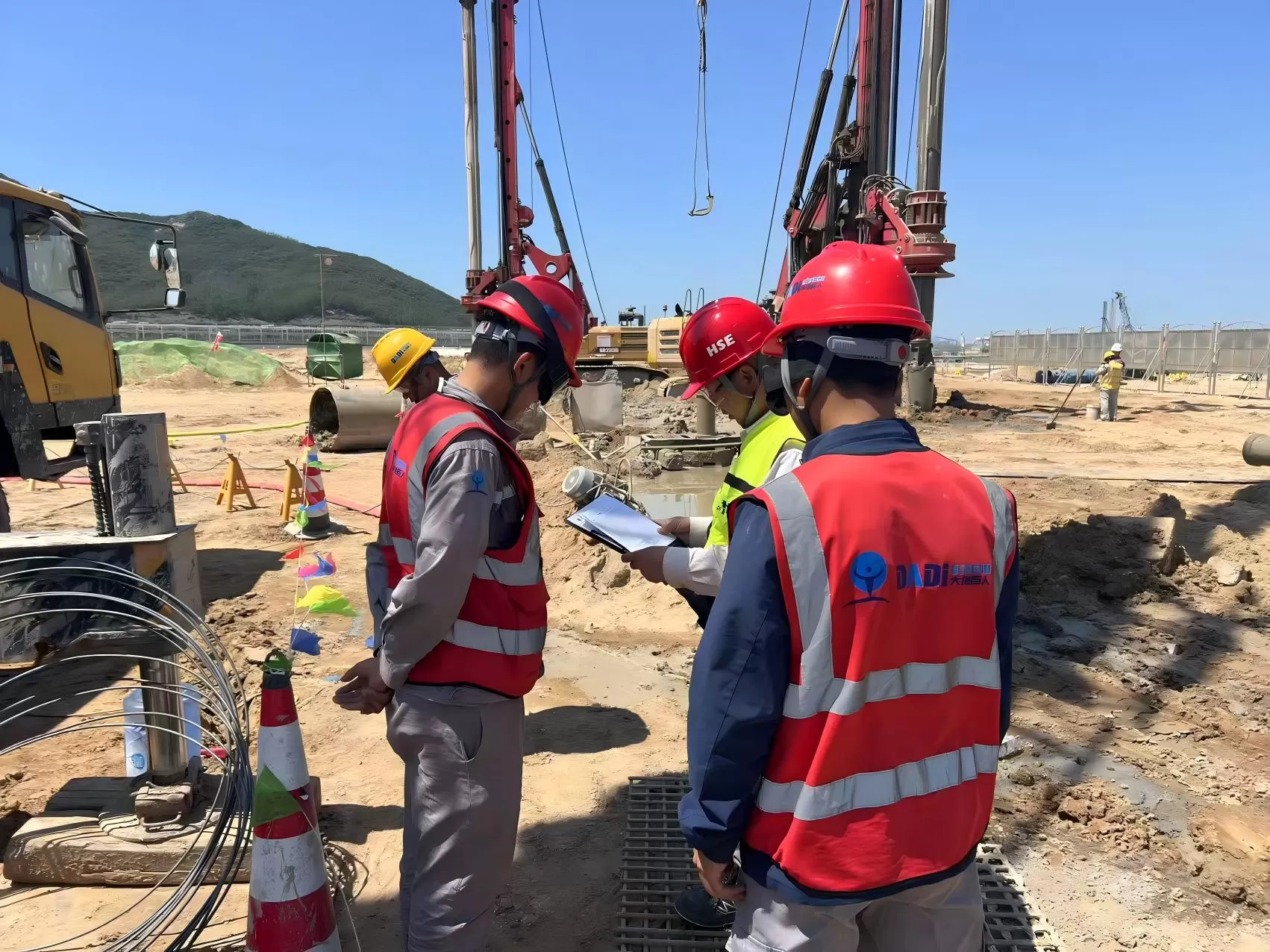
QUAMBO was engaged by Air Products and Chemicals (China) Investment Co., Ltd. to provide site formation consultancy and design services. The scope covered earthwork planning, high-fill ground improvement, groundwater management, and stabilisation design for both cut and fill slopes.
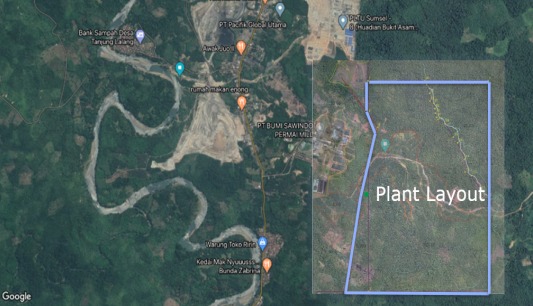
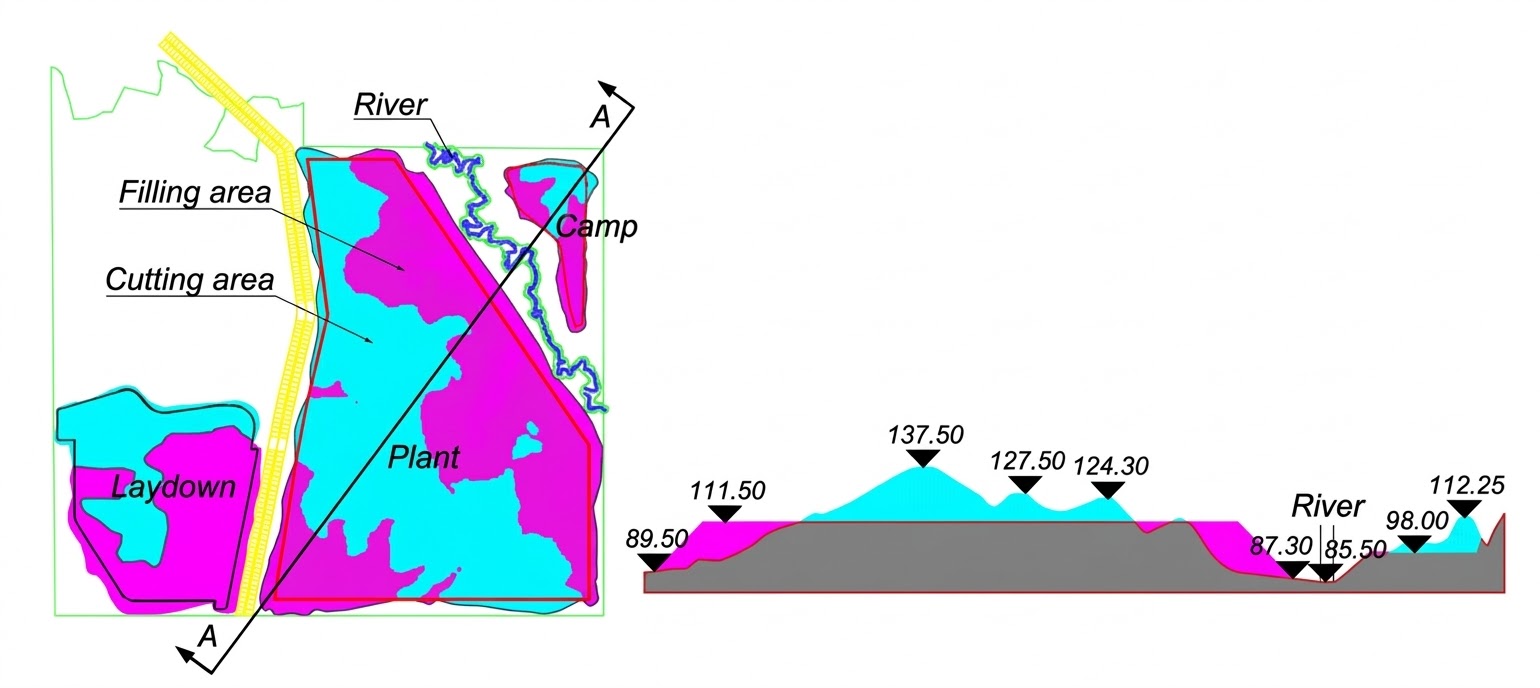
The project site covered an extensive area with excavation and filling distributed throughout the proposed plant zone. More than 8 million cubic metres of material was expected to be excavated, requiring coordinated earthwork planning to balance cut and fill volumes and allocate suitable materials across the site.
The site is located in a tropical monsoon climate with annual rainfall exceeding 2,000 millimetres. Heavy rainfall, surface runoff and groundwater could adversely affect construction conditions, slope stability, fill performance and long-term post-construction deformation. Water management therefore had to be incorporated into the site formation strategy from the outset.
The proposed industrial platform also included areas of deep engineered fill. The density, uniformity and deformation performance of the fill had to be carefully controlled to provide adequate bearing capacity, limit total and differential settlement, and reduce the potential negative skin friction imposed on future pile foundations.
High fill slopes were required along the southwestern and eastern parts of the site. The slope design needed to make effective use of available site-won materials while providing an economical and reliable stabilisation system suited to the local terrain and climatic conditions.
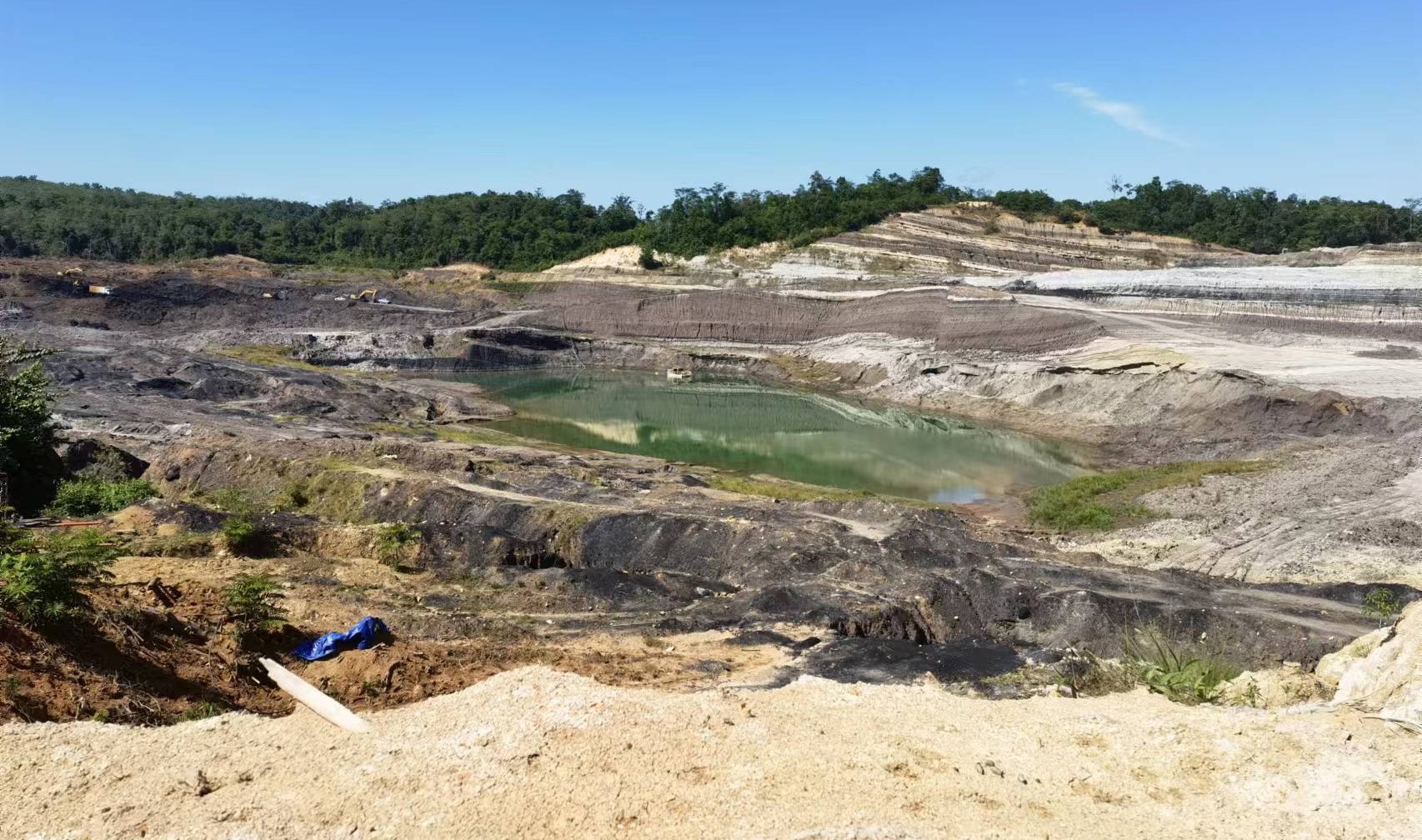
QUAMBO adopted an integrated high-fill site formation approach that coordinated earthwork balancing, treatment of the existing ground, improvement of the engineered fill, stabilisation of cut and fill slopes, and management of rainfall and groundwater as an interconnected system.
Beginning in May 2022, the QUAMBO project team reviewed the available investigation and design information, studied relevant local engineering experience and drew on its experience from comparable high-fill developments. More than 30 rounds of technical discussion and design coordination were conducted with the client and other project stakeholders to progressively refine the proposed solution.
Site-Wide Earthwork Planning
A coordinated earthwork plan was developed to organise excavation, material allocation and fill placement across the plant site.
The proposed arrangement considered the distribution of cut and fill zones, the engineering characteristics of the excavated materials, the sequence of site formation works and the material requirements of different fill areas. This allowed suitable excavated material to be reused effectively while supporting efficient construction planning and consistent fill quality.
Layered Filling and Ground Improvement
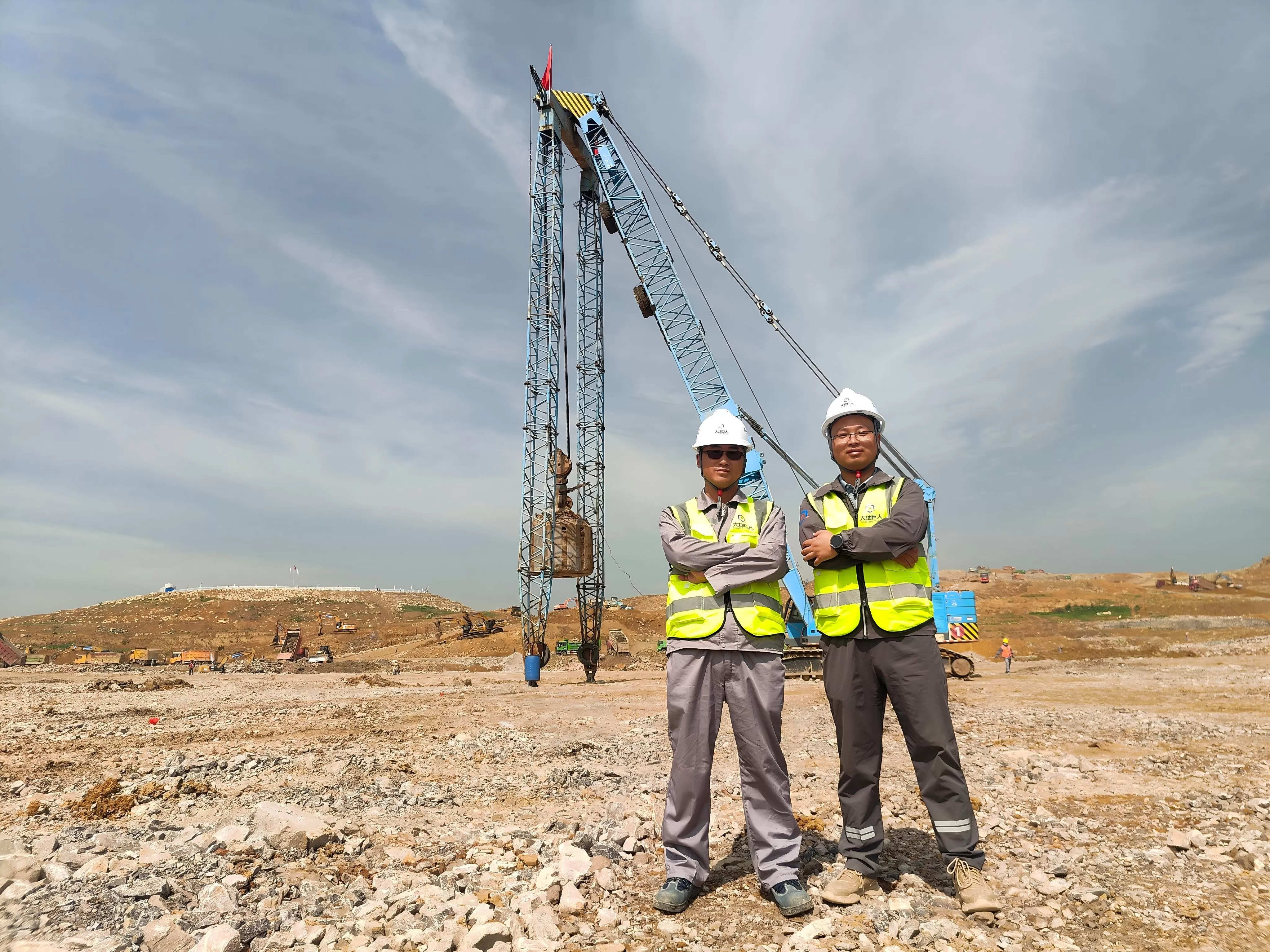
Deep fill areas were designed to be constructed in controlled layers. Each stage of filling was followed by dynamic compaction to progressively improve the density, uniformity and overall integrity of the engineered fill.
Dynamic replacement was adopted for the underlying natural ground where stronger treatment was required. By treating both the existing ground and the overlying fill, the solution improved the combined performance of the site formation system and reduced the risk of weak zones developing at the interface.
The coordinated treatment was designed to improve bearing performance, control post-construction settlement and mitigate the potential effects of negative skin friction on future pile foundations.
Rainfall and Groundwater Management
Given the site’s high annual rainfall, water control was treated as a fundamental component of the site formation design.
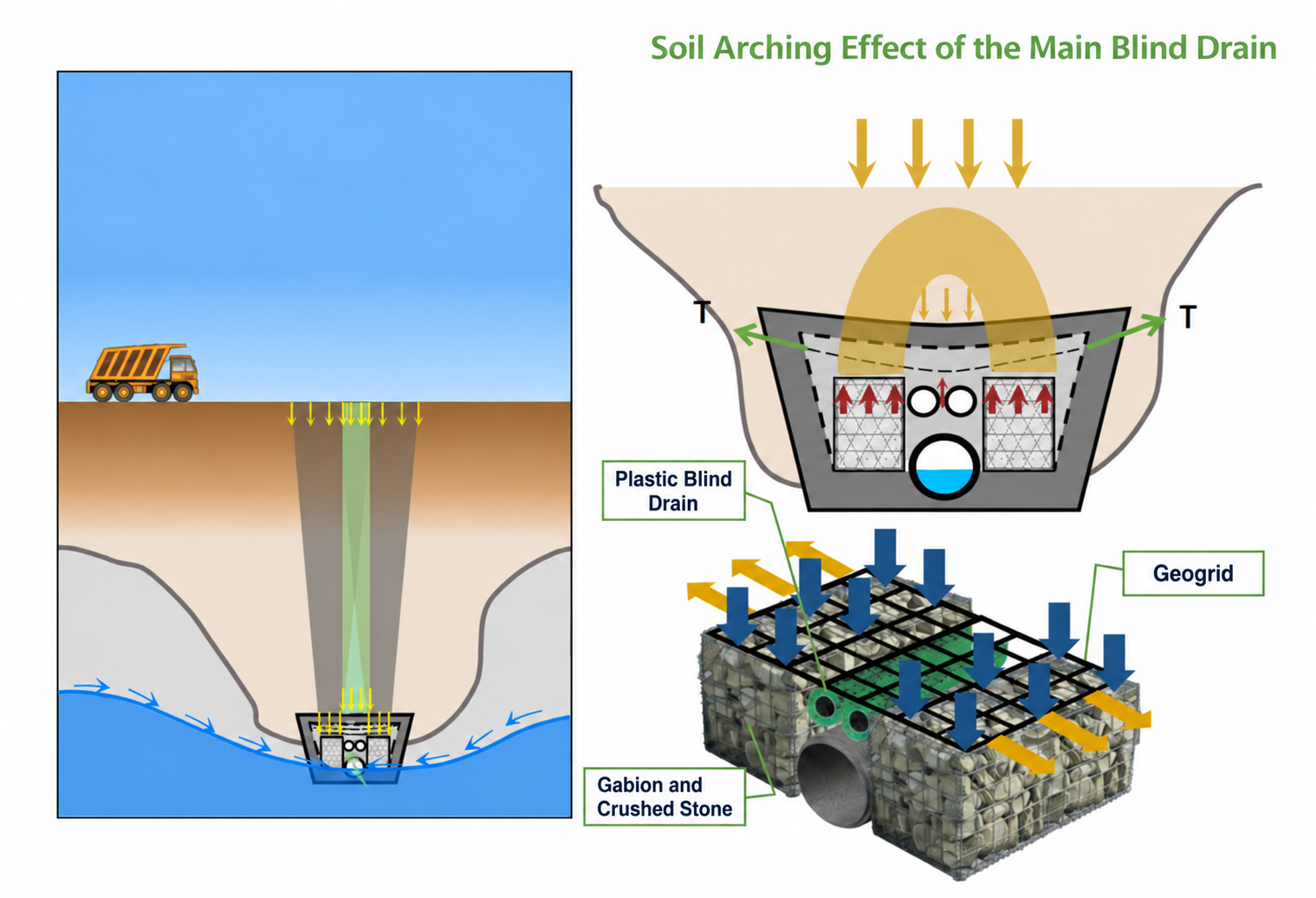
Subsurface blind drains were incorporated to intercept and redirect groundwater through controlled drainage paths. The drainage measures were coordinated with the earthworks and slope arrangements to reduce the risks of prolonged saturation, seepage-related weakening and water-induced deformation within the fill mass.
Cut and Fill Slope Stabilisation
Cut slopes were designed using graded slope profiles, supplemented by grid-beam-and-anchor systems where additional reinforcement was required.
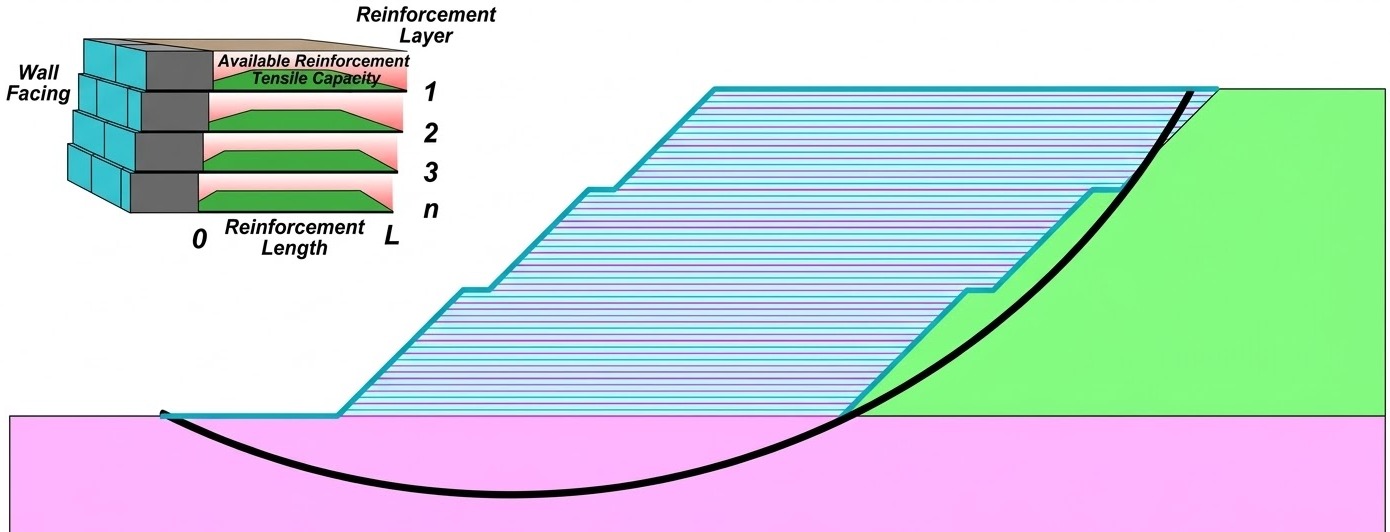
For the high fill slopes along the southwestern and eastern parts of the site, reinforced-soil solutions were adopted to improve stability while making effective use of available fill materials. The reinforced-soil slopes were analysed using ReSSA software to evaluate overall stability and determine the required reinforcement arrangement.
By integrating earthwork planning, ground improvement, drainage and slope stabilisation within a single design framework, QUAMBO developed an implementable site formation solution tailored to the project’s large earthwork volume, deep fill conditions, intensive rainfall and long-term performance requirements.


-
SolutionsHigh Fill & Reclamation Engineering
-
MarketsRenewable Energy & Advanced Materials
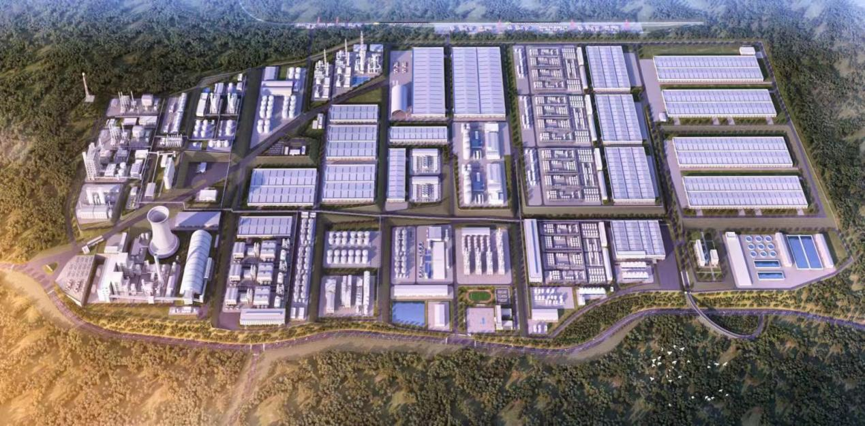
Bijie Phosphorus–Coal Chemical Integration Project High-Fill Site Formation and Ground Improvement Works
 Guizhou Zhijin Economic Development Zone, Zhijin County, Bijie, Guizhou Province, China
-
SolutionsHigh Fill & Reclamation Engineering
-
MarketsIndustrial & Manufacturing
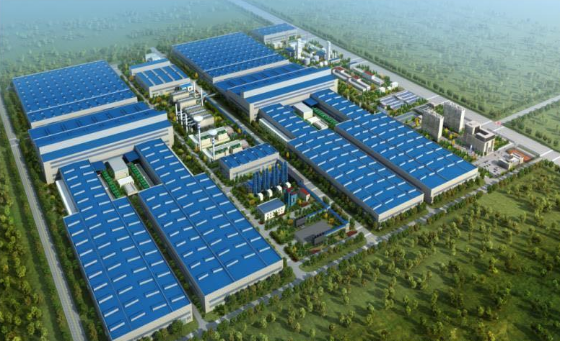
Heyuan Derun Steel 6 Million-Tonne Short-Process Special Steel Project High-Fill Ground Improvement Works
Lantang Industrial New Town, Zijin County, Heyuan, Guangdong Province, China.