





Deep, soft miscellaneous fill ground is often characterised by loose soil structure, poor uniformity, insufficient bearing capacity, and difficult settlement control. For this type of site, using dynamic compaction or vibro stone columns alone may have certain limitations.
In this project, QUAMBO adopted a combined treatment method of dynamic compaction and vibro stone columns, integrating the advantages of both ground improvement techniques to address the key engineering challenges of the site.
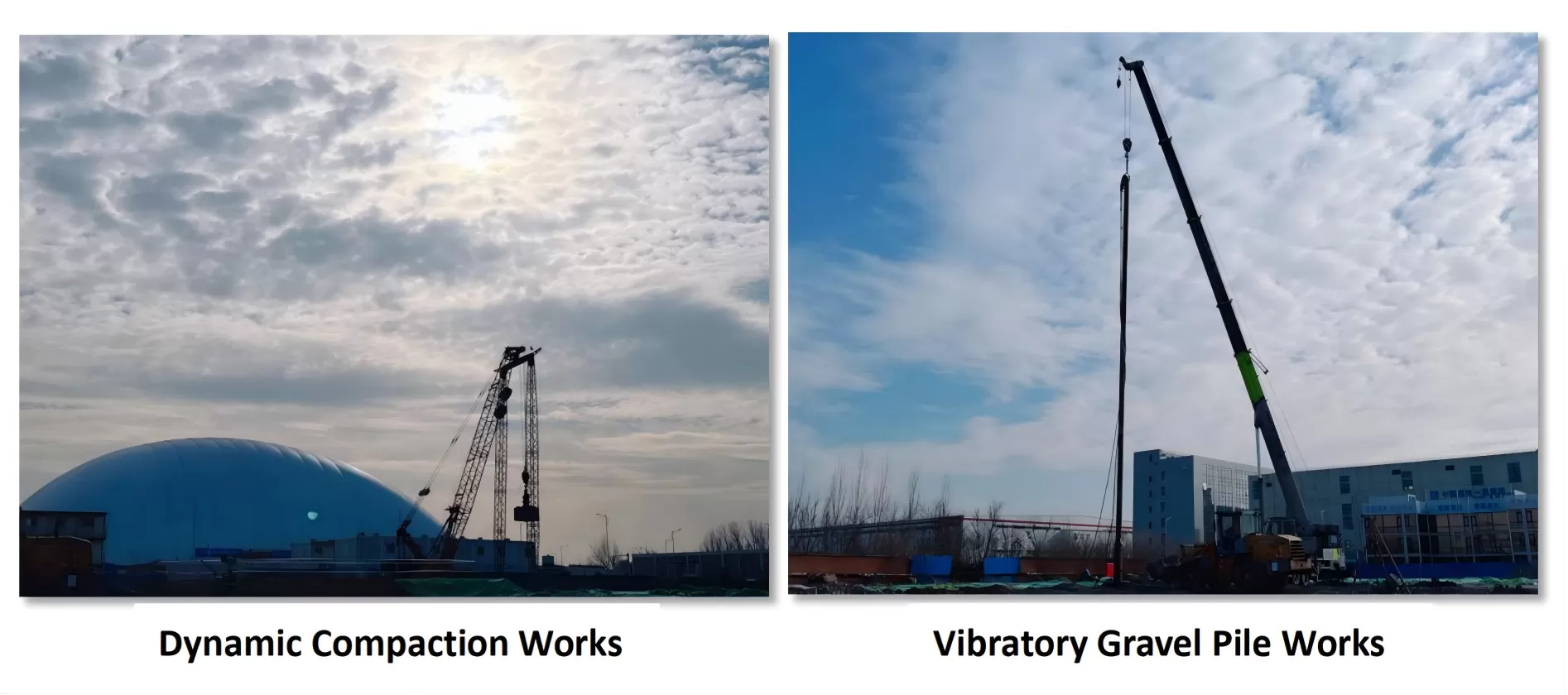
Precise Zoning: Combined Dynamic Compaction and Vibro Stone Column Treatment
The pre-treatment area of an industrial park project in Daxing, Beijing consisted of four layers of miscellaneous fill. The fill was mainly composed of silt, sand, muddy soil, and domestic waste, with a combined thickness ranging from 1.40 m to 22.30 m.
The northern part of the site had the greatest fill thickness, reaching a maximum depth of 22.30 m. Due to the uneven distribution of fill thickness, complex material composition, and varied engineering properties, the site presented significant challenges for ground improvement.
Based on the soil conditions and fill thickness in different areas, QUAMBO adopted a coordinated treatment approach combining dynamic compaction and vibro stone columns.
Areas with Thick Miscellaneous Fill: Vibro Stone Columns
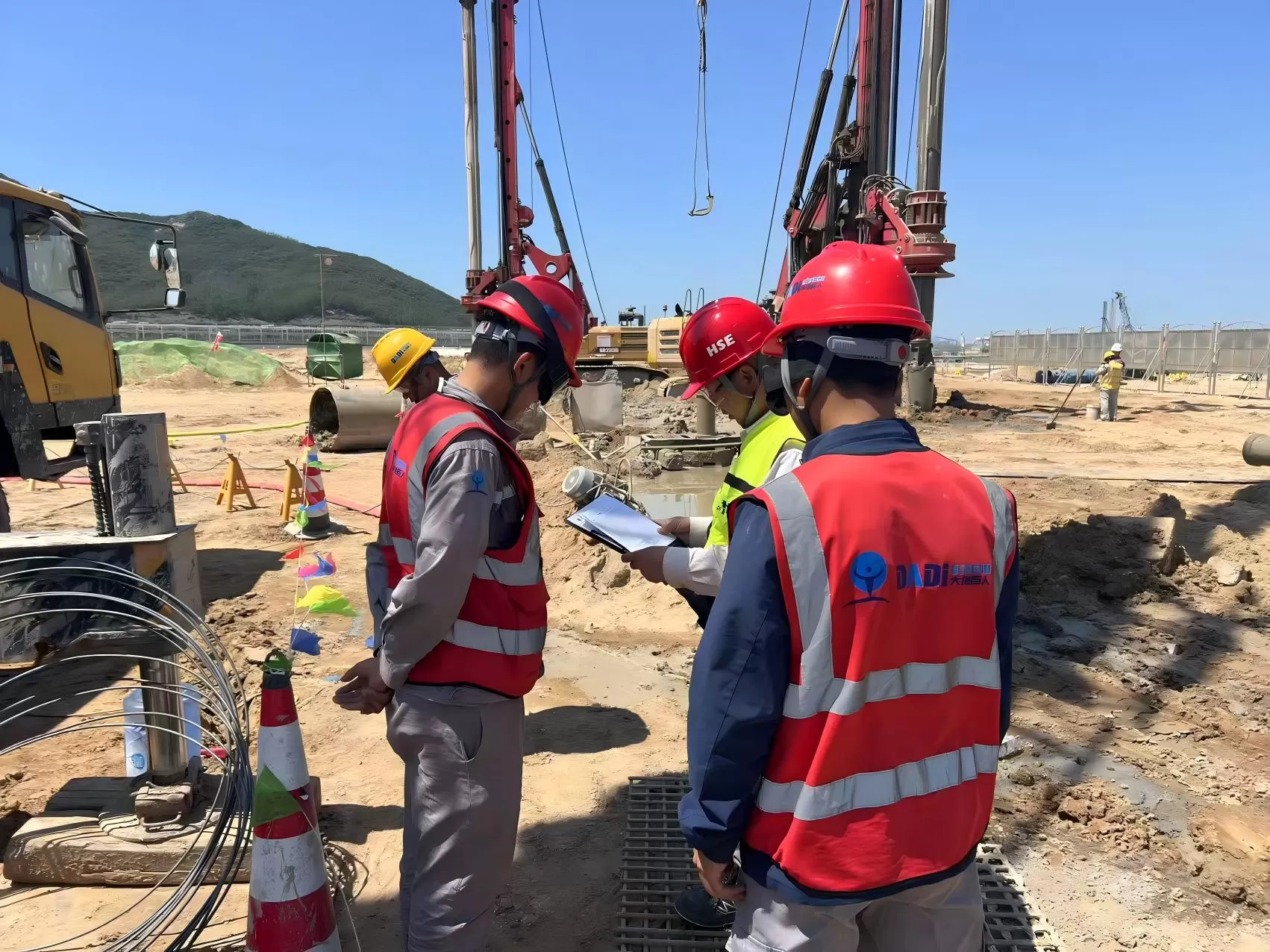
For areas with greater fill thickness, vibro stone columns were used.
The pile length and layout were customised according to the actual stratigraphic conditions. Key quality control indicators, including effective pile length, pile diameter, aggregate particle size, and aggregate volume, were strictly controlled to ensure the formation quality of each stone column.
Areas with Shallow Miscellaneous Fill: Dynamic Compaction
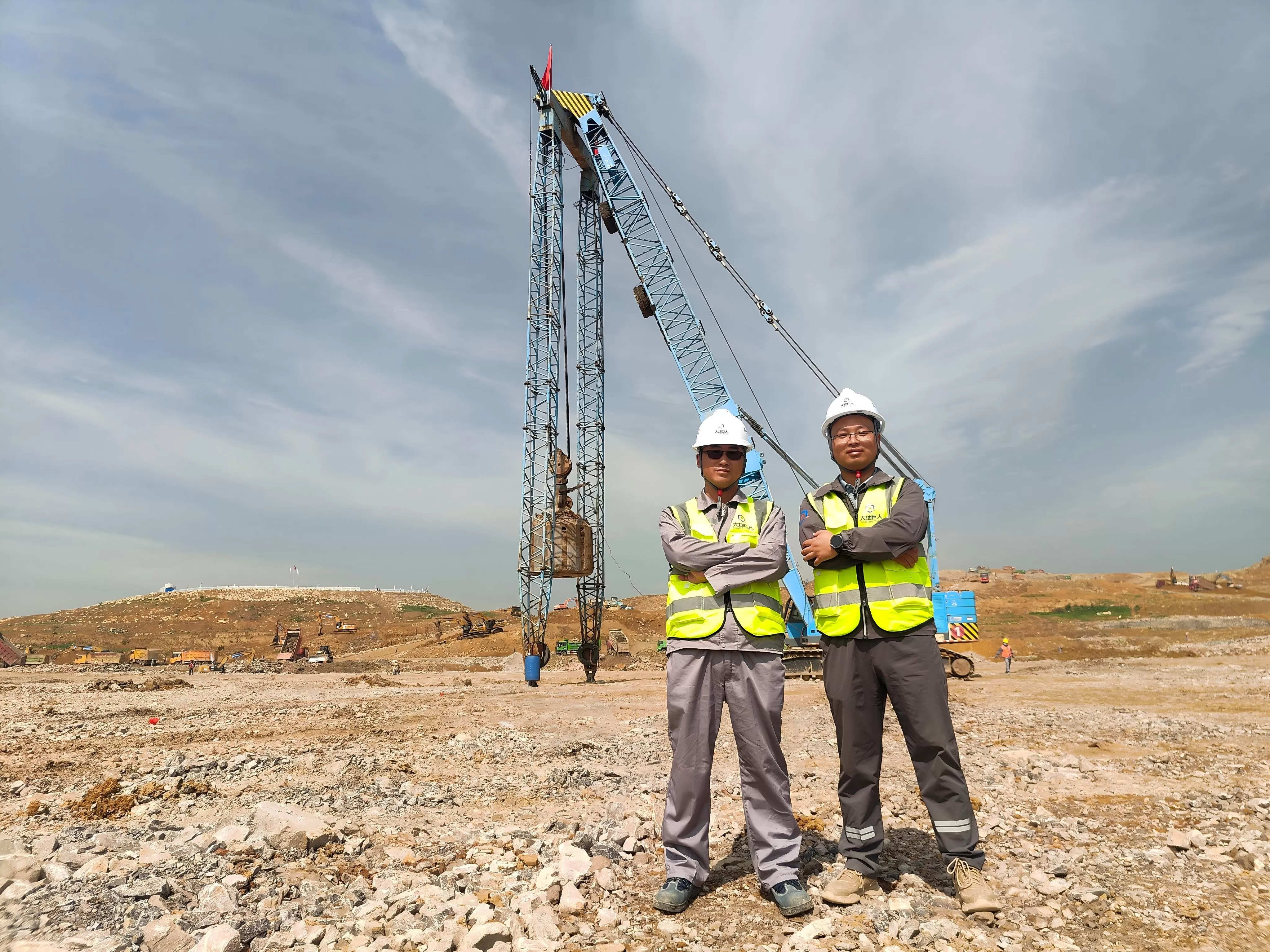
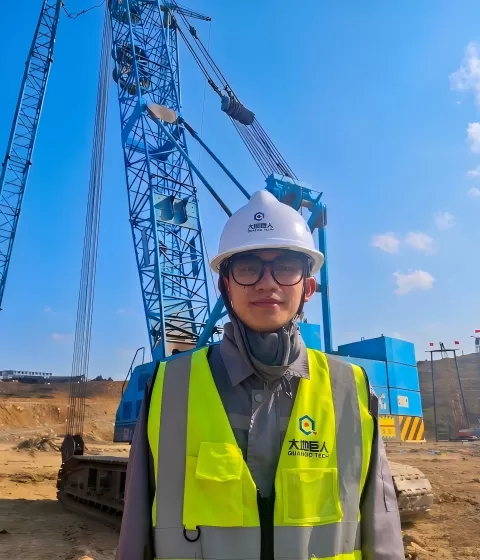
For areas with smaller fill thickness, dynamic compaction was used.
The compaction energy level was carefully planned according to the depth of the miscellaneous fill, allowing different soil layers to be treated with appropriate compaction intensity and improved with greater precision.
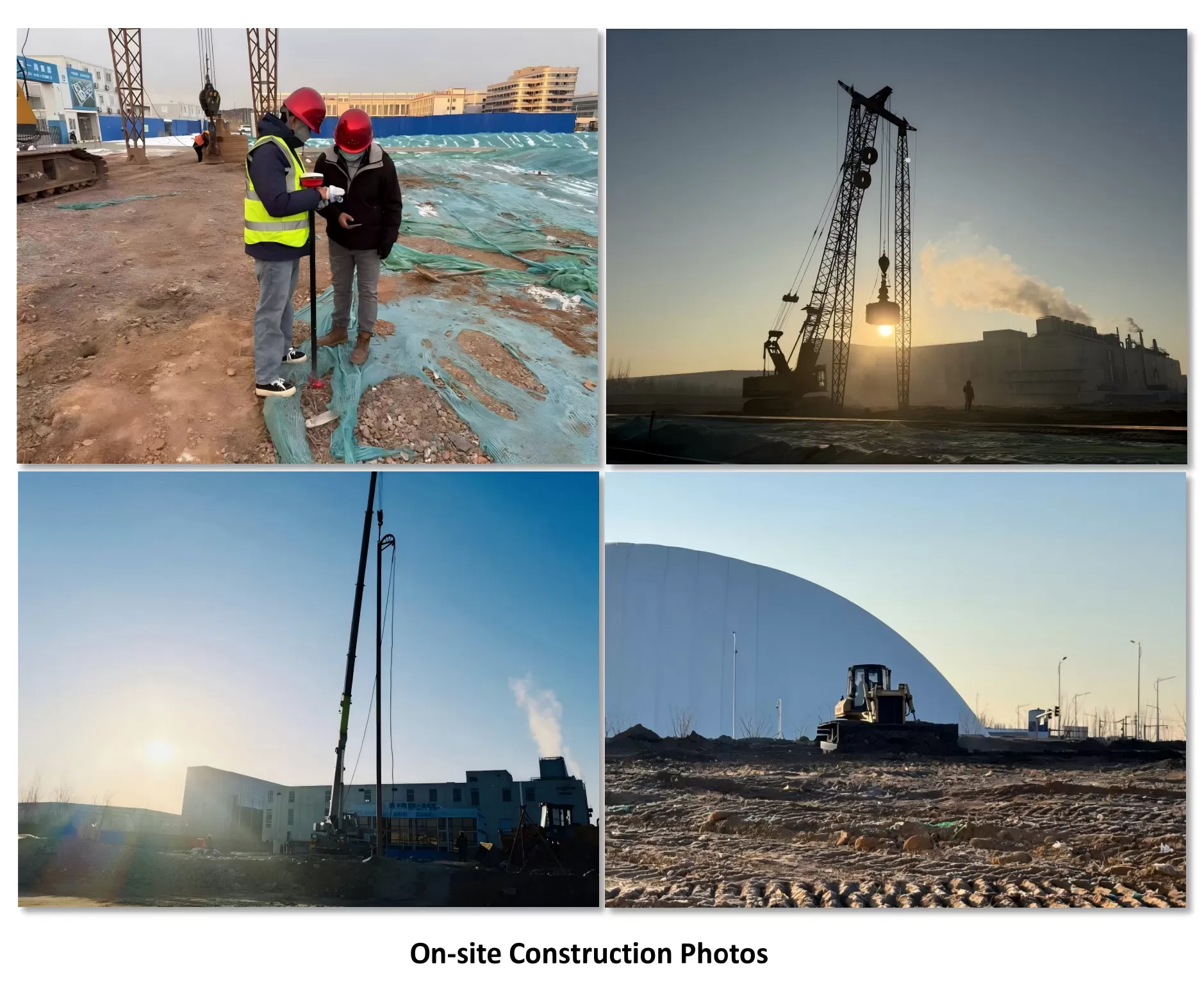
Environmental Control: Multi-Dimensional Site Management
As the project was located in Beijing, it was subject to high environmental standards and strict regulatory requirements. Effective control measures were required for dust, wastewater, slurry discharge, and emergency response.
Dust Control
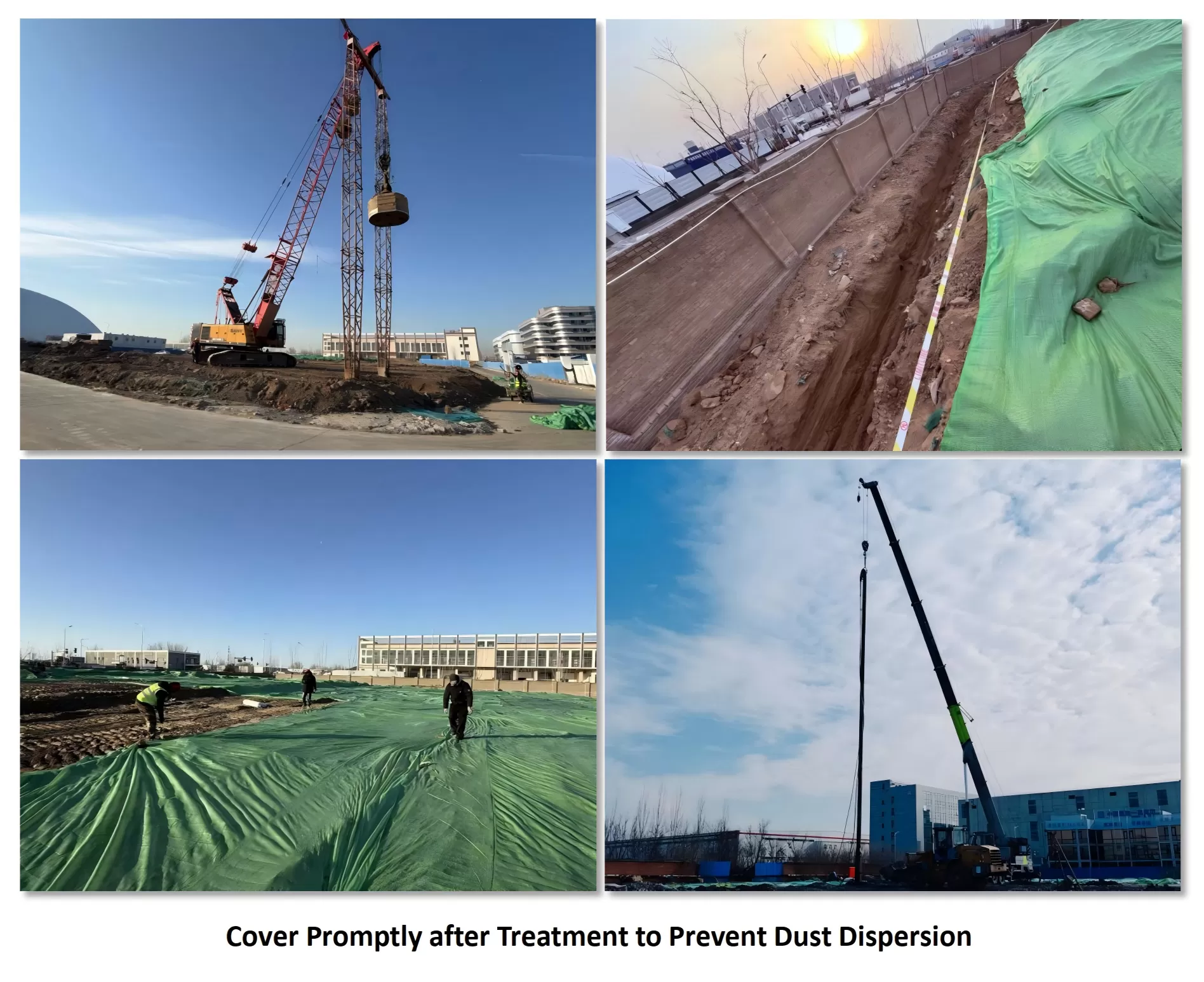
Water trucks were used throughout vibro stone column and dynamic compaction operations to reduce dust. Exposed ground was covered in a timely manner, and adjacent roads were cleaned regularly.
Wastewater and Slurry Control
Slurry pits and cut-off drains were set up within the site to prevent slurry and wastewater from flowing onto adjacent roads. Environmental de-icing agents were also prepared on site. In the event that a small amount of wastewater flowed onto nearby roads and froze, ice removal measures could be carried out promptly to maintain safe pedestrian access.
Emergency Response
When an orange alert or higher-level warning was issued, dust-generating operations such as vibro stone column construction and dynamic compaction were immediately suspended. The site was fully covered, and construction resumed only after the warning was lifted.
Vibration Isolation and Noise Control: Protecting Nearby Buildings and Residents
The southern side of the construction site was adjacent to a semiconductor manufacturing enterprise and residential areas. Semiconductor production equipment is highly sensitive to vibration, while nearby residents have strict requirements for noise control.
To balance construction progress with surrounding environmental safety, the project team implemented targeted control measures.
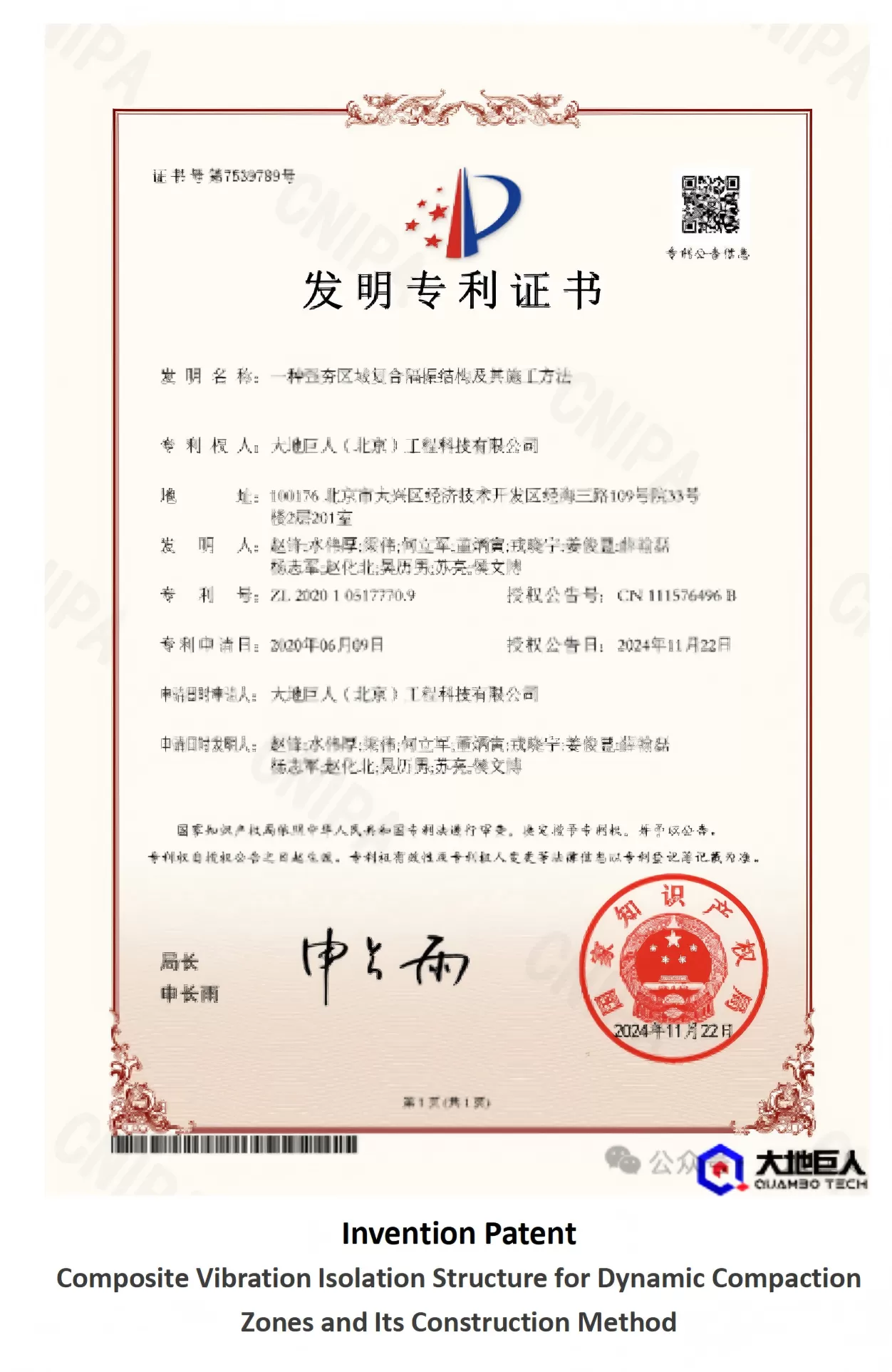
For vibration control, QUAMBO applied its patented technology, Composite Vibration Isolation Structure for Dynamic Compaction Areas and Its Construction Method. Before construction, vibration isolation trenches and other vibration-reduction measures were installed around the working area to reduce vibration transmission from the source. The project team also maintained active communication with the neighbouring production enterprise to ensure that its operations were not affected.
For noise control, the project team informed nearby residents of the construction arrangements in advance and optimised the working schedule to support orderly and coordinated project implementation.
Conclusion
Carrying out dynamic compaction and vibro stone column treatment in deep, soft miscellaneous fill ground in Beijing was both a technical ground improvement practice and a comprehensive project requiring strict environmental management.
Through precise zoning, coordinated construction methods, strict quality control, environmental protection measures, and proactive communication with surrounding stakeholders, QUAMBO supported the stable and successful implementation of the project.
The project reflects QUAMBO’s commitment to technology-driven engineering, quality-oriented delivery, and responsible construction management, providing a solid foundation for the industrial park’s future development.